

1. Introduction
Ceramic aerogels, characterized by an interconnected three-dimensional solid network that occupies a minimal fraction of the total volume, represent a unique class of porous materials that have captivated materials scientists for decades due to their exceptional combination of ultralow density, high porosity (often exceeding 90%), large specific surface areas, and exceptionally low thermal conductivity, rendering them highly promising for diverse advanced applications spanning from thermal insulation in aerospace vehicles and industrial furnaces to catalyst supports, filtration membranes, and energy storage devices [1], [2], [3], [4], [5]. Their inherent high-temperature resilience and chemical inertness further position these materials as promising candidates in extreme environments, such as those encountered during hypersonic flight or deep-space exploration [6], [7], [8], [9], [10]. Nevertheless, the real-world deployment of conventional ceramic aerogels has been severely constrained by intrinsic brittleness and poor mechanical performance, as well as the tendency for structural collapse and thermal degradation at high temperatures. Conventional aerogels are typically assembled from zero-dimensional (0D) oxide ceramic nanoparticles (e.g., silica, alumina) that are connected by weak, inefficient neck-like junctions [11], [12], [13], [14], [15], [16]. This architectural motif provides little resistance to mechanical stress, leading to catastrophic failure under tension, compression, or bending. Consequently, these materials are notoriously fragile, difficult to handle, and possess insufficient load-bearing capacity. Moreover, at elevated temperatures, the weak nanoparticle network readily sinters and densifies, causing shrinkage, loss of porosity, and a dramatic increase in thermal conductivity, thus undermining their very function as thermal insulators. This dual obstacle has persistently limited the translation of their remarkable functional properties from the laboratory to real-world technologies.
In response to these limitations, the past decade has witnessed a paradigm shift in the design and synthesis of ceramic aerogels. Researchers have moved away from 0D nanoparticle building blocks towards one-dimensional (1D) nanostructures (such as nanowires, nanofibers, and nanoribbons) and two-dimensional (2D) nanostructures (such as nanoflakes and nanosheets) [17], [18], [19], [20], [21], [22], [23], [24], [25], [26]. This transition is inspired by the fact that 1D and 2D nanomaterials possess intrinsically higher flexibility, a greater aspect ratio, and can deform through bending and/or sliding mechanisms rather than through the propagation of brittle fractures. For instances, as shown in Fig. 1, the successful fabrication of resilient TiO2, SiO2 and SiC nanowire aerogels demonstrated that a network of interwoven, flexible nanowires could undergo reversible compression [17], [18], [19], [25], a feat impossible for traditional nanoparticle-based aerogels. This has opened new avenues for engineering mechanical resilience directly into the microstructure of ceramic aerogels, effectively overcoming the brittleness that has long plagued the field. A wide variety of 1D building blocks, including SiC, Si3N4, SiO2, BN, and Al2O3 nanowires and nanofibers, are now being explored to create a new generation of mechanically robust aerogels [17], [18], [19], [20], [21], [22], [25], [26], [27], [28].
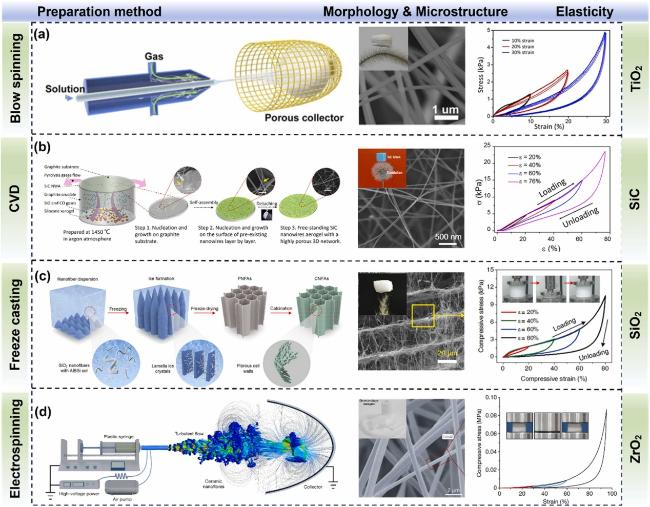
Fig. 1. Preparation methods, macroscopic morphologies, microstructures, and resilient compressibility of flexible nanostructures assembled ceramic aerogels. (a) Blow spinning prepared TiO2 nanofiber aerogel [17] Copyright © 2017, The American Association for the Advancement of Science. (b) Chemical vapor deposition synthesized SiC nanowire aerogel [19] Copyright © 2018, American Chemical Society. (c) Freeze-drying assembled SiO2 nanowire aerogel [18] Copyright © 2018, The American Association for the Advancement of Science. (d) Electrospinning induced ZrO2 ceramic nanofiber aerogel [25] Copyright © 2022, The Author(s). |
The enhanced mechanical performance of these aerogels is not merely a consequence of changing the shape of the building block. It is achieved through a suite of sophisticated and often synergistic strategies that can be broadly categorized into three interconnected themes, including architectural network design, interfacial engineering, and multi-scale integration [29]. Crucially, these mechanical design strategies must be implemented without compromising, and ideally while enhancing, the thermal properties (superior insulation performance and elevated-temperature durability) that render ceramic aerogels valuable for extreme environments. This review therefore adopts a “mechano-thermal co-design” perspective, examining how each design choice affects both mechanical resilience and thermal performance. The first key strategy involves the deliberate architecting of the macroscopic network. The arrangement of 1D building blocks profoundly influences the mechanical response of ceramic aerogels to external loads. For example, the creation of lamellar or layered structures has proven highly effective in simultaneously enhancing strength and toughness. This is exemplified by laminated SiC-SiOx nanowire aerogels that achieve reversible compressibility and high strength [30] and laminated Si3N4 aerogels that exhibit a dramatic, 3000-fold increase in compressive strength [31]. From a thermal standpoint, such lamellar architectures also introduce anisotropic heat conduction, which can be exploited for directional insulation. Beyond simple lamellae, researchers have drawn inspiration from nature to engineer more complex architectures. Helical, buckled, and curly structures have been designed to impart unprecedented stretchability and recoverable tensile deformation, addressing the common weakness of aerogels under tension [32], [33], [34]. For instance, the use of curly SiC-SiOx bicrystal nanowires leads to an aerogel that is not only highly compressible but also crack-insensitive under tensile fatigue [32]. Similarly, highly-buckled nanofibrous aerogels, inspired by the tendrils of Parthenocissus, demonstrate an ultra-large tensile strain of up to 150% [34]. The creation of anisotropic and cellular structures (e.g., honeycomb, dome-celled) further allows for the tailoring of mechanical properties in specific directions [35], [36], [37], optimizing load-bearing capacity and elasticity for targeted applications. Cellular structures, especially closed-cell designs, simultaneously suppress gas-phase heat conduction, offering a dual benefit for mechanical and thermal performance.
The second critical strategy focuses on interfacial engineering and node reinforcement. The junctions where individual nanowires or nanofibers meet are the primary sites of stress concentration and failure. Therefore, strengthening these nodes is paramount. One effective approach is to create core-shell structures, where a core material (e.g., Si3N4, BN, SiC) is coated with a shell (e.g., SiO2, pyrolytic carbon (PyC)) that can enhance load transfer and protect the core [38], [39], [40]. For example, Si3N4@SiO2 core-shell nanowire aerogels demonstrate robust mechanical stability at high temperatures [40]. The shell also serves a critical thermal function: it can act as an oxidation barrier, preventing degradation of the core at high temperatures in air, or as a thermal conductor/insulator depending on material choice. A more advanced concept is the creation of dual-phase or multi-phase nodes, which synergistically combine materials with different mechanical characteristics. A “soft” phase like PyC can relieve local stress concentrations, while a “hard” phase like amorphous SiO2 or SiC can improve load-bearing efficiency [41]. This strategy has been demonstrated in SiC nanowire aerogels reinforced with pyrolytic carbon (PyC)-SiO2 dual-phase nodes, achieving both high strength (10.9 MPa) and high elasticity. The concept of brittle BN nano units with PyC layers of tunable thickness provides another route to customize mechanical behavior from super elasticity to rigidity [39]. However, the use of PyC shells introduces a trade-off: while they enhance mechanical resilience, they are susceptible to oxidation above ~400 °C in air, limiting the maximum service temperature unless protected. These interfacial strategies are crucial for distributing stress uniformly and preventing catastrophic failure, while also defining the thermal stability envelope.
The third major strategy is the adoption of multi-scale design principles. Researchers explored gradient, sandwich, and hierarchical structures. For instance, gradient impedance all-ceramic aerogels manage stress distribution to resolve the trade-off between broadband microwave absorption and mechanical integrity [42]. Sandwich-structured ceramic nanofiber aerogels, featuring a dense-porous-dense layered configuration, have achieved an impressive tensile strength of 565 kPa by enhancing stress transfer and dissipation [43]. Bioinspired designs, such as those mimicking “brick-and-mortar” of nacre structure, are also being successfully implemented to create aerogels with exceptional mechanical properties. Hierarchical and gradient designs are particularly powerful for mechano-thermal co-design, as they can create a dense, strong surface layer that resists ablation while maintaining a porous, insulating interior, effectively managing both thermal gradient and mechanical load. Furthermore, hybrid and interpenetrating networks, which combine organic and inorganic components at the molecular level, offer a route to create materials with unprecedented combinations of properties, such as the super-resilient “creamer” aerogels [44] or double-crosslinked polyimide composites with ultra-robust toughness [45]. The thermal stability of such hybrids is inevitably limited by the organic component, but they excel in moderate-temperature regimes where flexibility and toughness are paramount.
The ultimate test for these mechanically enhanced aerogels lies in their performance under extreme conditions. Many applications, particularly in aerospace, require materials to maintain their structural integrity and functionality across a vast temperature range, from cryogenic cold to intense heat, and under dynamic loading or radiation. In these environments, mechanical and thermal behaviors are strongly coupled. A material that loses its elasticity at high temperature due to sintering will also lose its insulating capacity. Conversely, a thermally stable but brittle material will fracture under thermal shock. Therefore, this review treats extreme-condition performance as the integrated outcome of mechano-thermal co-design. Remarkable progress has been made in developing aerogels with thermally stable superelastic behavior. For example, ceramic nanofibrous aerogels assembled from solid, fully dense nanofibers retain their elasticity and fatigue resistance at temperatures reaching 1300 °C, and also function flawlessly at -196 °C [46], [47], [48]. The creep characteristics of fiber-reinforced aerogels under elevated temperatures has been systematically studied, revealing the mechanisms of thermal softening and densification that lead to property degradation [49], [50]. Furthermore, a new direction is the development of radiation-tolerant aerogels, where the unique nanowire network structure can accommodate radiation-induced damage, even using it to enhance flexibility, as demonstrated in SiC nanowire aerogels [51]. The behavior of ceramic aerogels under dynamic and impact loading is also being explored using techniques like the split Hopkinson pressure bar, revealing significant strain-rate strengthening effects [52], [53].
Despite these impressive achievements, significant challenges remain. The fundamental trade-off between achieving high strength, high elasticity, and superior thermal insulation performance (or elevated-temperature structural stability) in a single material continues to be a central focus of research. Ensuring the long-term mechanical and thermal stability of these complex nanostructures under prolonged exposure to high temperatures, thermal shock, and cyclic loading is critical for their practical deployment. Moreover, translating these sophisticated, often lab-scale, structural designs into industrially viable, scalable, and cost-effective manufacturing processes is a major hurdle. Techniques such as three-dimension (3D) printing are emerging as promising pathways to overcome this limitation, enabling the creation of aerogels with programmed geometries and engineered properties [54], [55], [56]. The use of advanced characterization techniques, such as in-situ SEM, in-situ TEM and finite element analysis, combined with emerging machine learning approaches, is becoming increasingly important for understanding and predicting complex structure-property relationships, guiding the rational design of next-generation materials [19], [30], [32], [41], [57], [58].
In this review, the term “elastic ceramic aerogel” is defined as a porous solid material with porosity exceeding 80% and reversible compressive or tensile deformation at room temperature, in which inorganic ceramic phases constitute the primary structural backbone. We include three categories: (i) fully ceramic aerogels (oxides, carbides, nitrides, borides, high-entropy ceramics) as core examples, capable of operation above 1000 °C in air; (ii) carbon-containing ceramic aerogels (e.g., PyC-coated or graphene-reinforced) as peripheral examples, limited to inert atmospheres or temperatures below 500 °C in air; and (iii) organic-inorganic hybrid aerogels (e.g., polyimide-silica) as peripheral examples, restricted to temperatures below 400 °C. These categories are distinguished in the summary tables (Table 1, Table 2, Table 3) to guide readers according to their target service conditions.
Table 1. Quantitative performance benchmarks and extreme-environment tolerance of representative ceramic aerogels. |
| Material system | Architecture | Density (mg/cm³) | Compressive strength (kPa) / strain | Tensile strength (kPa) | Thermal conductivity (mW·m⁻¹·K⁻¹) | Max service temp (°C, air/inert) | Fatigue cycles (strain retention) | Thermal shock resistance (ΔT, cycles) | CEF | Refs. |
|---|---|---|---|---|---|---|---|---|---|---|
| Laminated SiC nanowire | Lamellar | 50 | 1255 @80% | 400 | 39 (⊥) | 1200 / 1400 | 100 (90%) | -196~800°, 100× | 20.01 | [30] |
| Laminated Si3N4 | Lamellar | 200 | 176,350 @97% | N/A | 83.2 | 1000 / 1400 | N/A | N/A | 275.5 | [31] |
| Dome-celled high-entropy carbide | Dome-celled | 0.35~13.78 | 300~18000 @99% | N/A | 12-15 | 1200 / 2000 | 20,000 (99%) | 4.2~2273 K, >50× | >45 | [37] |
| Bouligand mullite | Bouligand | 200~330 | 156 @80% | 170,380 | 37-76 | 1200/ 1200 | N/A | N/A | 3.1 | [61] |
| Curly SiC-SiOx | Helical | ~5.7 | 28 @80% | 30 (strain) | 28.4 | 600 / 1200 | 100 (98%) | N/A | 2.7 | [32] |
| Double-crosslinked PI-SiO2 | Hybrid interpenetrating | ~250 | 65,600 @80% | 8,500 (54% strain) | 35 | 300/300 | N/A | N/A | 58.5 | [45] |
| Si3N4@SiO2 core-shell | Core-shell random | 20 | 27 @80% | N/A | 29 | 1300 / 1300 | 100 | 25~1300°C, 100× | 1.6 | [40] |
| High-entropy oxide ZLSGY | Random + crosslink | 5~50 | 229 @98% | 11 (52% strain) | ~25 | 1400 / 1400 | 1000 (<3% loss) | 25~1400°C cyclic | 13.3 | [86] |
| Polyimide nanofibrous (PINA) | Lamella-crosslinked | 7.6 | 12 @75% | N/A | 26.4 | 300 / 300 | 10,000 (97%) | -196~300°C | 0.5 | [47] |
| Hierarchical dual-oxide nanofiber | Hierarchical | 8 | 8 @90% | - | 7 | 1200/1200 | 100 | -196 ~1300°C | 4.7 | [79] |
Table 2. Comparison of design strategies and mechano-thermal synergy for elastic ceramic aerogels. |
| Strategy category | Specific architecture | Materials | Mechanical performance | Thermal conductivity (mW·m-1·K-1) | Service temperature range (air/inert, °C) | Refs. |
|---|---|---|---|---|---|---|
| Network architecture | Lamellar | SiC, Si3N4 | Compressive strength 1 MPa, recovery 80%(SiC); >170 MPa, 97% deformation (Si3N4) | 35-85 | 1500°C / 1200 | [30], [31] |
| Honeycomb / dome-celled | High-entropy carbide | Compressive strength 0.3-18 MPa; recovery >99% (up to 2273 K) | 12-170 | 1200 / 2000 | [37] | |
| Bouligand (chiral) | Mullite | Compressive 156 kPa, recovery >90%; tensile stress 170 MPa; | 37-76 | 1200 / 1200 | [61] | |
| Helical / buckled | SiC-SiOx | Compressive <50 kPa; tensile strain up to 20% | ~25 | 1000 /1500 | [32], [34] | |
| Interfacial engineering | Core-shell (SiO2 shell) | Si3N4@SiO2 | 27 kPa @80% compressive strain | 29~35 | 1300 / 1300 | [40], [60] |
| Core-shell (PyC shell) | BN@PyC | Tunable (superelastic to rigid) | Tunable thermal conductivity | 500 / 1400 | [39], [71] | |
| Dual-phase nodes (PyC+ SiO2) | SiC nanowire | Compressive 10.9 MPa @80% strain; recovery ~80% | ~38 | 500 / 1400 | [41] | |
| Multi-scale composite | Gradient impedance | SiC/Si3N4 | Maintains mechanical integrity with microwave absorption | Gradient insulation | Depends on components | [72] |
| Sandwich | Ceramic nanofiber | Compressive strength 249 kPa @80% strain; Tensile strength 565 kPa | Core insulation; dense skin barrier | Depends on skin/core | [43] | |
| Hierarchical | Nacre-mimetic, dual-oxide nanofiber | High stiffness + superelasticity + bending flexibility | 7~24 | -196 to 1200 | [42], [78], [79] | |
| Hybrid interpenetrating network | PI- SiO2 double-crosslinked | Compressive 65.6 MPa @80% strain; tensile 8.5 MPa; record toughness | ~35 | -110 to 300 / 400 | [45] |
Table 3. Thermal stability and service boundaries of different material systems. |
| Material system | Representative example | Max service temp in air (°C) | Max service temp in inert (°C) | Degradation mechanism | Recommended environment | Best-suited architecture | Refs. |
|---|---|---|---|---|---|---|---|
| Oxide (fully ceramic) | Mullite, Al2O3, ZrO2 | 900-1300 | 1400+ | Sintering >1000°C | Air up to 1200°C | Lamellar, anisotropic aligned | [28], [59] |
| Non-oxide (carbide, nitride) | SiC, Si3N4, BN | <600 (uncoated) | 1400+ | Oxidation to oxide layer (passivating but brittle) | Inert or vacuum >600°C | Honeycomb, dome-celled | [19], [27] |
| Core-shell (oxide shell on non-oxide core) | SiC@SiO2, Si3N4@SiO2 | 1200 | 1400+ | SiO2 sintering >1000°C; shell protects core | Air up to 1200°C | Random network, lamellar | [40], [60] |
| High-entropy ceramic | (LaSmGdY)2Zr2O7, (HfZrTaNb)C | 1400 (oxide); <600 (carbide, uncoated) | 1400+ | Grain growth suppressed; high oxidation resistance for oxides | Air (oxides); inert (carbides) | Dome-celled, Bouligand | [37], [86] |
| Carbon-containing ceramic | SiC@PyC, graphene-SiC | 400-500 | 1400+ | PyC/graphene oxidizes >400°C | Inert or vacuum >500°C | Any (with protective coating if needed) | [38], [41] |
| Organic-inorganic hybrid | PI-SiO2 double-crosslinked | 400 | 400 | Polymer decomposition >400°C | Low-temperature air | Sandwich, interpenetrating network | [44], [45] |
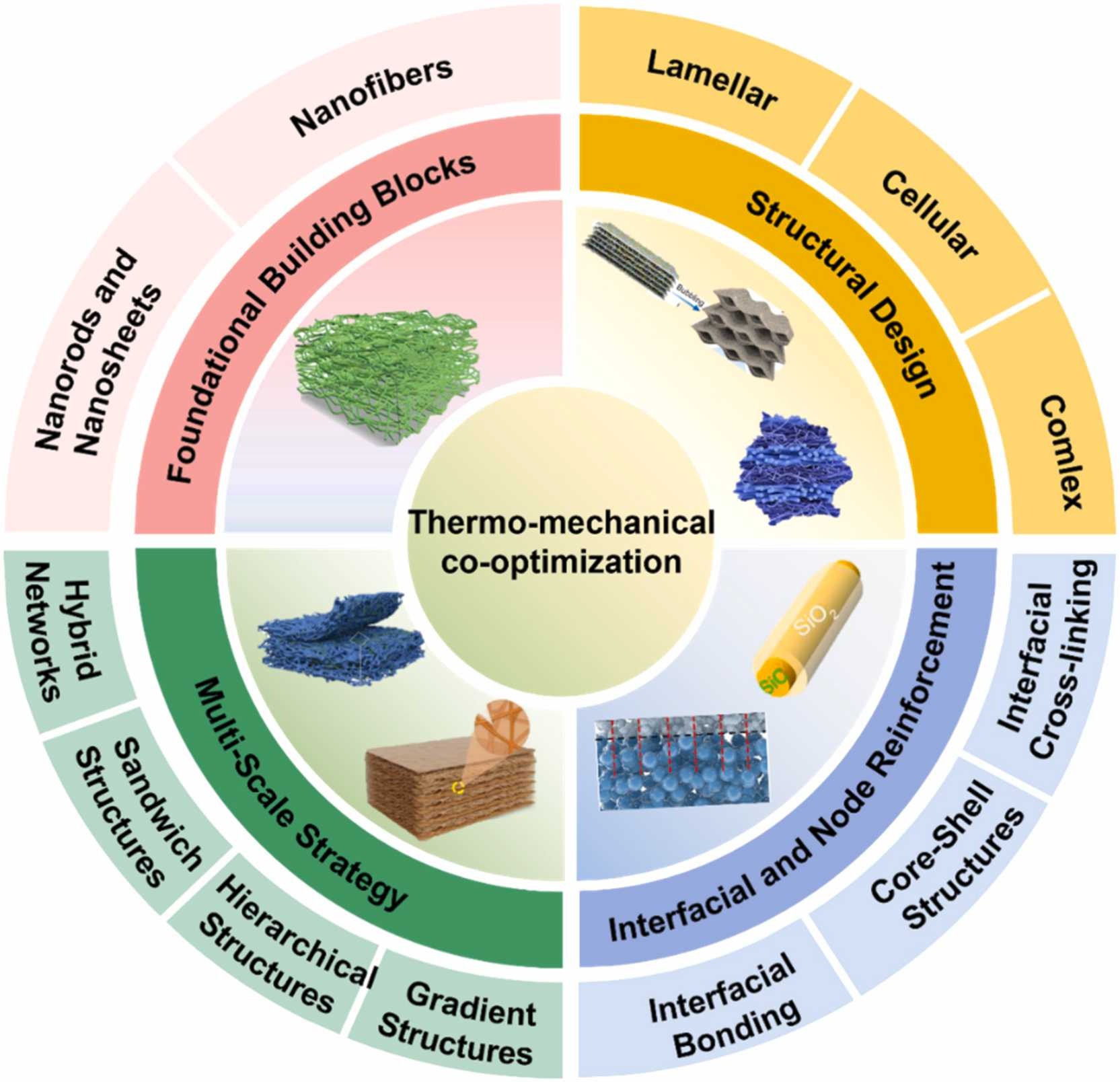
Distinct from previous reviews that treat mechanical and thermal properties separately [21], [23], [24], [25], the present review adopts an integrated mechano-thermal co-design framework that explicitly links architectural choices to both mechanical resilience and thermal functionality, and provides quantitative benchmarks to guide application-oriented design. As shown in Fig. 2, this review aims to provide a comprehensive and systematic overview of the state-of-the-art strategies for the mechano-thermal co-design of ceramic aerogels: simultaneously tuning mechanical resilience (strength, elasticity, toughness) and thermal performance (low conductivity, high-temperature stability, oxidation resistance). Drawing exclusively from the most recent and relevant research, we will delve into the details of the three core strategies outlined above: the design of resilient 3D networks from flexible building blocks, the critical role of interfacial engineering and node reinforcement, and the power of multi-scale design. Throughout, we highlight how each strategy influences both mechanical and thermal properties, often revealing inherent synergies or trade-offs. We will then explore the performance of these optimized aerogels under extreme environmental conditions, emphasizing the coupling of mechanical and thermal responses. Finally, we will conclude by discussing the current challenges and offering a perspective on future directions for this rapidly evolving and exciting field.
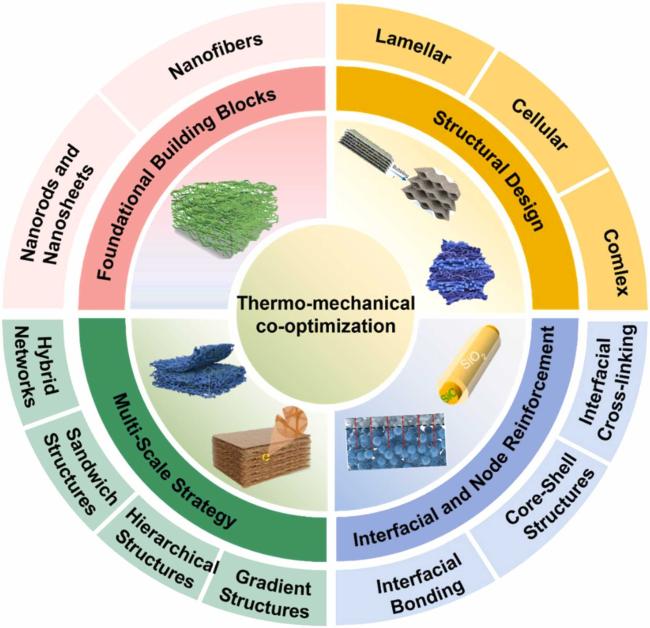
Fig. 2. Illustration of the contents in this review. Reproduced with permission from Ref. [37], [42], [43], [59], [60], [61], [62] Copyright © 2025, The American Association for the Advancement of Science, © 2023 Wiley‐VCH GmbH, Copyright, © 2025 Elsevier B.V. All rights are reserved, including those for text and data mining, AI training, and similar technologies, © 2020, American Chemical Society, © 2023 Elsevier Ltd. All rights reserved, Copyright © 2024, The Author(s), © 2025 Wiley‐VCH GmbH. |
2. Foundational Building Blocks for Mechanical Optimization
The quest to address the inherent fragility of conventional ceramic aerogels has fundamentally altered the way these materials are conceived and constructed. The paradigm shifts from a random assembly of 0D nanoparticles to a deliberate architecture built from higher-dimensional nanostructures is the cornerstone of modern mechanical design in this field [23], [24]. This transition is predicated on the understanding that the mechanical behavior of the macroscopic aerogel is not merely a sum of its parts but is profoundly influenced by the geometry, flexibility, and interaction of its nanoscale building blocks. By moving away from weakly sintered 0D particles towards 1D and 2D building units, researchers have unlocked new deformation mechanisms, enabling a level of resilience, strength, and toughness previously unattainable in a highly porous ceramic material. From a thermal perspective, the choice of building block also dictates intrinsic properties such as phonon transport (thermal conductivity) and sintering resistance, which are equally important for high-temperature applications.
2.1. Nanowires and Nanofibers: The Pillars of Resilience
The high aspect ratio of 1D nanostructures allows for the formation of an interconnected, self-supporting network with numerous contact points. More importantly, their nanoscale dimensions confer a degree of flexibility that is absent in bulk ceramics, enabling them to bend, twist, and slide past one another under stress, thereby dissipating energy and preventing fracture. SiC nanowires have emerged as one of the most prominent building blocks for resilient ceramic aerogels, owing to their combination of high-temperature stability, chemical inertness, and intrinsic mechanical flexibility at the nanoscale. Studies in this field have shown that a highly porous 3D network constructed from interconnected SiC nanowires could exhibit superior mechanical properties. For instance, an ultralight SiC nanowire aerogel with a density as low as ~5 mg cm-3, constructed from an extensive assembly of interwoven 3C-SiC nanowires, displays exceptional mechanical behavior including a substantial recoverable compressive strain surpassing 70% and outstanding fatigue resistance, marking a significant departure from the inherent fragility of traditional oxide-based aerogels [19]. The intrinsic resilience and bendability of the 1D SiC nanowires, combined with their ability to form a deformable yet resilient 3D network, were identified as key factors enabling this performance. Importantly, SiC also possesses relatively high intrinsic thermal conductivity compared to amorphous oxides, which could be a drawback for insulation. However, the high porosity and nanoscale phonon scattering in the aerogel form largely mitigate this issue, yielding low effective thermal conductivity.
Building on this concept, the ability to produce these resilient structures on a larger scale is critical for practical applications. Lu et al. established a scalable fabrication route for SiC nanowire aerogels (SiC NWAGs) with controllable densities and tailored geometries [63]. Such aerogels preserved the superior thermal resilience characteristic of SiC, withstanding a peak service temperature of 1400 °C under inert atmospheric conditions, while also demonstrating remarkable resistance to flame erosion. The successful scale-up of these resilient SiC nanowire networks underscores their potential for widespread use in harsh environments, moving beyond the limitations of laboratory-scale synthesis.
Beyond carbides and nitrides, oxide nanofibers are also indispensable building blocks. Electrospun mullite nanofibers, for instance, have been used to create composite aerogels. Their inherent high-temperature stability and fibrous nature provide a robust skeleton. When combined with other phases, such as in mullite-based nanofiber composite aerogels, they contribute to high structural integrity (e.g., 0.32-0.35 MPa at 10% strain) while maintaining exceptionally low thermal conductivity [28]. The ability to electrospin uniform, high-quality nanofibers allows for the construction of aerogels with controlled and reproducible microstructures. Oxide nanofibers typically have lower intrinsic thermal conductivity than carbides, making them attractive for insulation, but they may suffer from sintering and grain growth at very high temperatures (>1000 °C).
2.2. Nanorods and Nanosheets: Expanding the Design Space
While 1D nanowires and nanofibers are powerful building blocks, other nanoscale morphologies, such as nanorods and nanosheets, offer unique opportunities for property tailoring. Nanorods, which are shorter and often more rigid than nanowires, can serve as effective reinforcing elements within a more flexible matrix. For instance, Liu et al. created ultralight elastic Al2O3 nanorod-graphene aerogels by bidirectionally freeze-drying a mixture of rigid 1D Al2O3 nanorods and 2D graphene sheets [64]. In this binary system, the rigid Al2O3 nanorods enhanced the structural robustness and compressive strength (6 times higher than pure graphene aerogel), while the elastic graphene sheets provided recoverability. This synergistic combination demonstrates how different nanoscale geometries can be integrated to achieve properties not possible with a single building block type. From a thermal viewpoint, the introduction of graphene (a high thermal conductor) can increase overall conductivity unless carefully balanced; nevertheless, the high porosity and nanoscale contacts may still preserve insulating behavior.
Nanosheets provide a fundamentally different building block, offering high in-plane strength and a large surface area for interactions. The assembly of 2D nanosheets into 3D aerogel networks can lead to unique mechanical behaviors. For example, Ji et al. used mullite nanosheets as structural assembly units, modifying them with TiO2 nanorods to create a hierarchical structure [65]. The nanosheets form the primary framework, and the addition of nanorods further enhances the complexity of the network and, consequently, its mechanical integrity and thermal insulation performance. This approach highlights the potential of using 2D building blocks to create aerogels with excellent temperature resistance and structural stability. BN nanosheets are another compelling 2D building block. Feng et al. reported an approach for preparing highly thermally and electrically conductive hybrid aerogels incorporating hexagonal BN nanoribbons (a 1D form derived from nanosheets) with in-situ grown orthogonal graphene [66]. The resulting hybrid aerogel demonstrated a combination of broad thermally stable superelastic behavior, high conductivity, and powerful electromagnetic shielding. This work illustrates that the unique properties of the nanosheet-based building blocks (such as the high thermal conductivity of BN) can be translated into the macroscopic aerogel, enabling multifunctionality alongside mechanical performance. However, for insulation applications, such high thermal conductivity would be undesirable, highlighting that the choice of building block must align with the target thermal function.
2.3. Impact on Deformation Mechanisms
The shift from 0D to 1D and 2D building blocks fundamentally alters the way an aerogel responds to mechanical stress. In a conventional nanoparticle-based aerogel, deformation is primarily elastic at very small strains, followed by catastrophic failure through the propagation of cracks that break the weak interparticle necks. There is no mechanism for significant plastic deformation or energy dissipation. In stark contrast, aerogels constructed from 1D nanowires or nanofibers exhibit a rich variety of deformation mechanisms. As shown in Fig. 3a to c, upon compression, the slender building blocks can undergo bending and buckling, storing elastic energy. As the strain increases, they can slide past one another at their intersection points, dissipating energy through friction and preventing the formation of a single, catastrophic crack. Upon unloading, the stored elastic energy drives the bent and buckled fibers back to their original configuration, enabling the remarkable recoverable compressibility observed in materials like SiC nanowire aerogels [23]. This mechanism of “bending without breaking” is the key to their resilience. Such mechanism also prevents stress concentration that could lead to local hot spots or fracture under thermal shock, contributing to superior thermomechanical reliability.
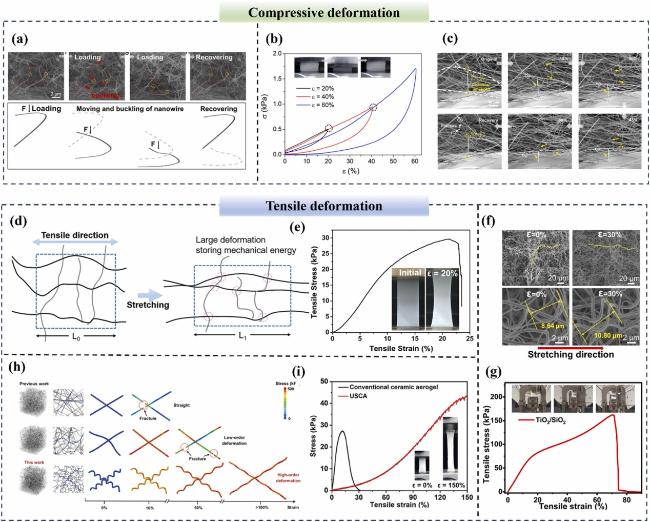
Fig. 3. Deformation mechanisms of resilient ceramic aerogels during compression and stretch. (a) Microstructure evolution of SiC nanowire aerogel during reversible compression [19] Copyright © 2018, American Chemical Society. (b) Macroscopic morphology evolution, compressive stress-strain curve, and (c) microstructure evolution of Si3N4 nanobelt aerogel [27] Copyright © 2019, American Chemical Society. (d) Tensile deformation mechanisms and (e) tensile stress-strain curve of resilient curly SiC-SiOx nanowire aerogel [32] Copyright © 2021, American Chemical Society. (f) Microstructure evolution of spiral crimped Janus nanofibers in ceramic aerogel and (g) the corresponding stress-strain curve [67]. (h) Structure design of curly nanofiber in ceramic aerogels. (i) Deformation behaviors of straight and curly nanofiber aerogels [34] © 2024 Wiley‐VCH GmbH. |
The use of curly or helical nanowires further broadens the deformation envelope. As demonstrated by an aerogel built from curly SiC-SiOx bicrystal nanowires, it exhibits not only excellent compressibility but also substantial recoverable tensile deformation (20%) and notch-insensitive fracture behavior (Figs. 3d and 3e) [32]. The curly morphology provides an additional length that can be straightened under tension, allowing for significant tensile deformation without fracturing the individual nanowires. The bending, mutual interaction, and realignment of these curly wires act to mitigate stress concentration and inhibit crack initiation and propagation. Similarly, the creation of spiral crimped Janus fibers in ceramic aerogel enables it to withstand large tensile strains (up to 70.6% elongation) through the straightening of the helical crimp structure (Figs. 3f and 3g) [67]. In essence, the deformation mechanism transitions from the propagation of a single crack through a brittle network to the collective, distributed, and reversible deformation of a network of flexible, interacting elements. This new paradigm of “mechanical metamaterials” at the nanoscale is what allows modern ceramic aerogels to achieve their extraordinary combination of low density and high mechanical performance (Fig. 3h and i) [34].
3. Structural Design for Enhanced Mechanical Performance
The evolution from lower-dimensional nanoparticulate building blocks toward 1D and 2D nano structural units has provided a fundamental strategy to mitigate the inherent brittleness of ceramic aerogels. However, achieving tailored mechanical properties such as high strength, super elasticity, and damage tolerance depends not only on the choice of building block but also on the deliberate assembly of these blocks into a well-defined macroscopic network. The spatial arrangement, orientation, and interconnection of nanoscale units across micro- and macro-length scales govern stress distribution, transmission, and dissipation within the material. Drawing inspiration from natural architectures such as the Bouligand chiral structure, researchers have engineered a diverse array of structural motifs that push the mechanical performance limits of ultralight ceramics. This section examines key architectural designs, including lamellar, honeycomb, and helical (Bouligand) structures, which endow ceramic aerogels with unprecedented combinations of strength, toughness, and resilience. Concurrently, these architectures profoundly affect thermal transport: aligned structures create anisotropic heat flow, cellular structures suppress gas conduction, and hierarchical porosity enhances phonon scattering.
Lamellar and Layered Structures. Among the most successful and widely explored architectural motifs is the lamellar or layered structure. This design, often drawing from the hierarchical platelet arrangement of nacre, involves the alignment of building blocks into thin, sheet-like layers, typically separated by pores. This architecture is mostly commonly achieved through directional freeze-casting, a technique where a solvent (e.g., water or camphene) is directionally solidified, expelling and concentrating the ceramic building blocks between the growing solvent crystals. Subsequent sublimation of the solvent leaves behind a porous scaffold that is a direct replica of the solvent crystal template, often resulting in long-range aligned lamellar pores and walls.
The lamellar architecture is highly effective at enhancing both strength and toughness. The aligned lamellae provide a continuous load-bearing pathway along the alignment direction, while the interlamellar spaces can deflect cracks and promote energy dissipation through frictional sliding of the lamellae against each other. An example of this is the laminated SiC nanowire aerogel [30]. As shown in Fig. 4a to e, by designing and fabricating this structure, the conflict between strength and flexibility in ceramic aerogels is resolved. The resulting aerogel exhibits cyclic compressive recoverability, reversible buckling response, and quasi-ductile tensile deformation, while achieving a strength an order of magnitude higher than other ceramic aerogels. This integrated performance demonstrates that the laminated structure allows for controlled deformation of the individual layers, preventing catastrophic failure and enabling the material to withstand complex stress states. From a thermal standpoint (Fig. 4f to i), lamellar architectures produce strong anisotropy in thermal conductivity: heat flows much more readily along the aligned lamellae (through the solid network) than across them (through the insulating air gaps). This anisotropy can be exploited for directional thermal management, for example, conducting heat away along one axis while insulating perpendicularly.
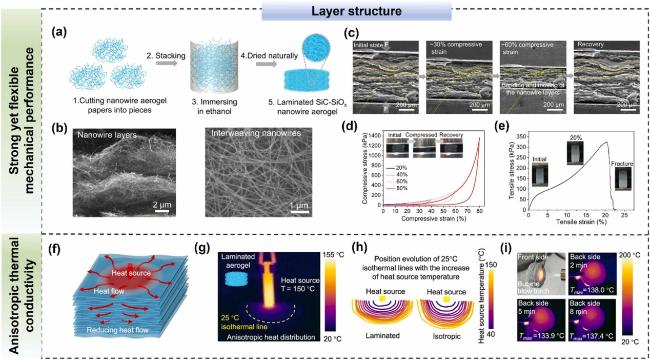
Fig. 4. Mechanical and thermal properties of a laminated SiC nanowire aerogel [30] Copyright © 2023, The Author(s). (a) The preparation process. (b) Microstructures with laminated distribution of nanowires and interweaving nanowires in each laminate. (c) Deformation behavior of the aerogel. (d) Compressive stress-strain curve. (e) Tensile stress-strain curve. (f-h) Anisotropic thermal conducting behavior of the aerogel. (i) Thermal insulation behavior of the aerogel. |
The power of lamination to achieve extreme strength was dramatically illustrated a laminated Si3N4 aerogel through structural engineering [31]. This aerogel delivered an exceptional compressive strength of 176.35 MPa while preserving a relatively low density of 200 mg/cm3 and substantial compressibility (97% strain). Such outstanding load-bearing capacity stems directly from the layered configuration, which seamlessly combines remarkable mechanical performance with effective thermal insulation. This work sets a benchmark for simultaneous mechano-thermal co-optimization, demonstrating that deliberate structural engineering can convert an otherwise fragile ceramic into a material capable of sustaining considerable mechanical loads.
Beyond simple parallel lamellae, more complex anisotropic lamellar composites have been developed. An et al. fabricated a resilient, compliant ceramic fiber-aerogel composite featuring an anisotropic lamellar architecture [68]. In this design, interfacial bonding between the ceramic fiber and the aerogel matrix within the lamellar walls played a pivotal role in realizing ultra-high insulation capability alongside elastic recoverability. The composite exhibited substantial deformation recovery (over 50%) and exceptionally low thermal conductivity, demonstrating how the lamellar architecture can be combined with composite strategies to tailor both mechanical and functional properties. These examples collectively show that lamellar structures provide a versatile platform for designing aerogels with high strength, toughness, and flexibility by controlling the orientation and interaction of the load-bearing layers.
Honeycomb and Cellular Structures. Another potent architectural strategy is the creation of honeycomb or cellular structures. These designs, characterized by an array of repeating unit cells (e.g., hexagonal, domed), are renowned in engineering for providing high stiffness and strength at minimal density. By translating this concept to the nanoscale, researchers have created aerogels that combine the ultralow weight of a porous material with the structural efficiency of a cellular solid. Cellular architectures are also highly beneficial for thermal insulation: closed cells effectively trap gas molecules, suppressing gas-phase conduction; the curved cell walls also increase phonon scattering, reducing solid conductivity.
By employing a two-dimensional channel-confined chemistry method, Pang et al. [37] synthesized 194 types of aerogels with a unique dome-like cellular architecture (Fig. 5a). These materials demonstrated remarkable elastic behavior across an extraordinary thermal window spanning from 4.2 K to 2273 K (Fig. 5b), sustaining super elastic response under 99% strain over 20,000 cycles. The dome-celled structure, with its curved cell walls, is intrinsically more resistant to buckling and collapse than simple straight-walled cells, enabling this unprecedented combination of ultrahigh-temperature stability and mechanical resilience. The high-entropy carbide/graphene aerogel produced in this work also demonstrated ultralow thermal conductivity and good thermal shock resistance at high temperatures, showcasing the multifunctional potential of this architecture (Fig. 5c).
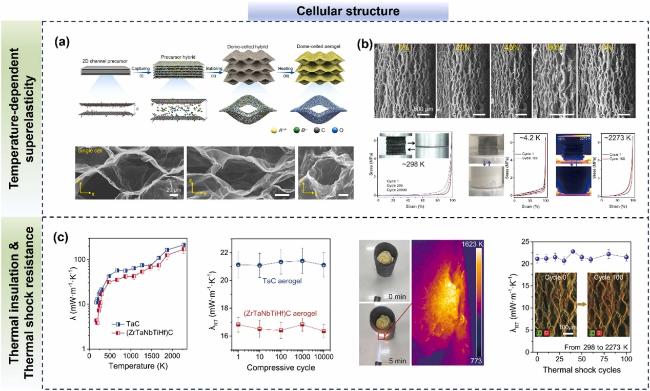
Fig. 5. Cellular structure design for high strength, ultrahigh temperature thermal stability, thermal insulation and thermal shock resistance [37] Copyright © 2025, The American Association for the Advancement of Science. |
Another example is the anisotropic and hierarchical SiC@SiO₂ nanowire aerogel prepared by directional freeze casting [35]. This aerogel features a nanowire-assembled microstructure with long-range alignment. As a result, it exhibits exceptional rigidity along the alignment direction, with a mass-normalized modulus of ~24.7 kN·m/kg, while maintaining a remarkably low thermal conductivity of ~14 mW/m·K. This combination of superior structural stiffness and superinsulation is rare and directly attributable to the anisotropic architecture, which overcomes the low stiffness typically associated with randomly distributed macropores in resilient aerogels. The aligned structure provides a continuous path for stress transfer, while the hierarchical porosity effectively scatters phonons and suppresses heat transfer.
Honeycomb-like structures are not limited to carbides. Zhang et al. developed an innovative closed-cell/nanowire configured mullite-based nanofiber composite aerogel [28]. In this design, hollow TiO2 spheres acted as both pore-making agents and infrared opacifiers, creating a closed-cell structure that reduced solid heat conduction. Simultaneously, TiO₂ nanowires synthesized in-situ on the fiber surface additionally enhanced the load-bearing capability. The resulting aerogel exhibited superior structural integrity (0.32-0.35 MPa at 10% strain) and ultralow thermal conductivity, demonstrating how a cellular architecture can be engineered at multiple length scales to achieve both mechanical and functional goals. The closed-cell structure is particularly effective at limiting gas-phase heat transfer, making these materials ideal for high-temperature insulation.
Complex Structures. While lamellar and honeycomb structures impart a degree of anisotropy, the more complex like Bouligand structure, a chiral twisted plywood motif found in mantis shrimp dactyl clubs, offers a unique route to combine high strength and superelasticity in ceramic aerogels. In this design, helically stacked fibrillar layers with a small twist angle (α) enable efficient stress redistribution and crack deflection.
Wang et al. recently prepared bio-inspired Bouligand chiral fibrous ceramic aerogels (BcF-CAs) using mullite nanofibers, Al2O3 microfibers, and AlBSI-assisted freeze-shaping (Fig. 6a to b) [61]. The resulting material achieves a tensile strength of 170.38 MPa, surpassing conventional nanofibrous aerogels by one to two orders of magnitude, while retaining superelastic compressibility (156.47 kPa at 80% strain) (Fig. 6c to e). Finite element simulations show that smaller twist angles (e.g., α = 15°) enhance fiber alignment and toughness, whereas larger angles reduce stress transfer. Moreover, BcF-CAs preserve over 90% of their tensile strength following 1200 °C thermal treatment and exhibit exceptionally low thermal conductivity (0.037-0.076 W·m-1·K-1) (Fig. 6f). This Bouligand paradigm effectively resolves the long-standing conflict between mechanical strength and elastic recoverability in ceramic aerogels.
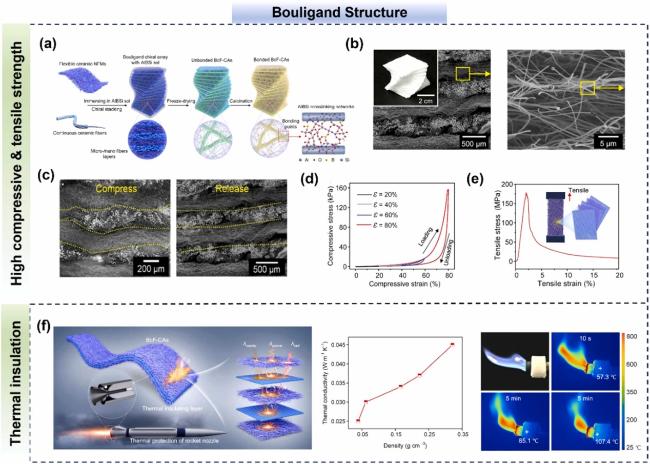
Fig. 6. Bouligand structure design for simultaneously high compressive strength, high tensile strength, and thermal insulation performance [61] Copyright © 2024, The Author(s). (a) The preparation process. (b) Microstructures of BcF-CAs. (c) Deformation behavior of the aerogel. (d) Compressive stress-strain curve. (e) Tensile stress-strain curve. (f) Thermal conducting behavior of the aerogel. |
The foregoing discussion demonstrates that the architectural design of the macroscopic network is a decisive factor in governing the mechanical response of ceramic aerogels. Lamellar structures impart strength and toughness; honeycomb designs offer structural efficiency; and helical Bouligand architectures uniquely combine high tensile strength with super elasticity. The ability to control structure across multiple length scales has fundamentally advanced the field. Moreover, each architectural motif carries distinct thermal consequences (anisotropic conduction, closed-cell gas suppression, or hierarchical phonon scattering) that must be considered in the co-design of mechanical and thermal functions. Inspired by nature and enabled by advanced processing techniques, these architectural strategies provide a rich design space for creating next-generation ceramic materials that are ultralight, mechanically robust, and resilient under extreme conditions—from cryogenic temperatures to over 1200 °C.
4. Interfacial Engineering and Node Reinforcement
While the macroscopic network architecture provides the overall framework for mechanical response, the true determinants of strength, resilience, and durability in nanowire-based aerogels often reside at the smallest scales, specifically at the junctions where individual building blocks meet. These inter-nanowire nodes serve as the primary sites of stress concentration and load transfer within the three-dimensional network. In a typical assembly of unmodified nanowires, these junctions rely on simple physical contacts or weak van der Waals interactions, which are insufficient to bear significant loads. Under stress, these weak nodes fail first, leading to detachment of the building blocks and eventual catastrophic collapse of the entire structure. Consequently, strengthening these critical junctions through deliberate interfacial engineering has proven to be an effective and adaptable approach for tuning the deformation behavior of ceramic aerogels. Simultaneously, these interfaces govern critical thermal phenomena: they act as barriers to oxidation, influence thermal boundary resistance, and determine the aerogel’s ability to withstand thermal cycling. This section explores the pivotal role of inter-nanowire junctions and the sophisticated techniques developed to reinforce them, including interfacial cross-linking, core-shell structures, and dual-phase and multiphase nodes.
Interfacial Cross-linking. One of the most direct methods to strengthen network nodes is to create chemical cross-links that "glue" the nanowires together at their points of contact. The concept of cross-linking is usually seen in hybrid organic-inorganic systems. A scalable crosslinked fiberglass-aerogel thermal insulation composite was developed by creating a structured three-dimensional fiber network with bonded silica aerogel (Fig. 7a) [69]. The key to achieving mechanical elasticity in this composite was the in-situ interfacial reaction between the molecularly assembled aerogel and the fiberglass matrix under ambient-pressure drying conditions. The chemical bonding at the interfaces, confirmed by infrared spectroscopic analysis, established a durable junction that enabled the composite sheet to achieve substantial deformation recovery (>50%) while retaining low density and thermal conductivity. This work demonstrates that interfacial bonding can serve as an efficient route to engineer robust connections between organic polymers and inorganic aerogel frameworks. However, the organic cross-linker limits the maximum use temperature.
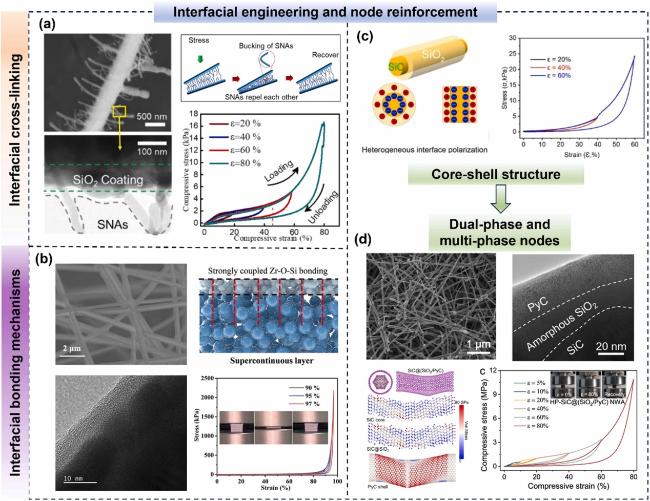
Fig. 7. Interfacial engineering and node reinforcement for improved mechanical properties. (a) Interfacial cross-linking by using SiO2 interfacial bonding [70] Copyright © 2021, American Chemical Society. (b) Zr-O-Si glass modification [62] © 2025 Wiley‐VCH GmbH. (c) Surface SiO2 coating for core-shell structure [60] © 2023 Elsevier Ltd. All rights reserved. (d) Soft carbon and hard SiO2 dual phase structure for high compressive strength [41]. |
Creating strong, continuous and high-temperature-resistant chemical bonds between the building blocks and the reinforcing phase is the most effective way to ensure efficient stress transfer, long-term mechanical performance and high-temperature stability. Zhou et al. demonstrated this principle by creating a super continuous ZrO2 nanolayer on a ZrO2-SiO2 fiber aerogel surface through a thermodynamically driven surface reaction (Fig. 7b) [62]. Systematic structure analysis confirmed that this super continuous layer achieved a close connection between the ceramic grains and the fibers through the formation of Zr-O-Si bonds. This robust chemical welding resulted in a material with a high specific strength and exceptional dynamic impact resistance. The formation of strong covalent bonds at the interface transformed a loose assembly of fibers into a tightly integrated, mechanically superior structure. The strong bonding also enhances thermal stability by preventing interfacial debonding during thermal cycling.
The formation of specific chemical bonds can also create new pathways for enhanced functionality. Qi et al. examined LAS/N-GF composite aerogels and elucidated a distinctive bonding mechanism at the heterogeneous phase boundary. N-doping introduced lattice defects that drew unsaturated C and Si atoms into close proximity, triggering interfacial polarization and the subsequent formation of C-Si covalent bonds. These bonds served as low-resistance carrier pathways, promoting electron transport and substantially improving microwave absorption performance. This study underscores the broader potential of interfacial engineering: beyond reinforcing mechanical response, it can generate chemically active, multifunctional interfaces that simultaneously endow the aerogel with electromagnetic functionality.
Core-Shell Structures. Another highly effective strategy for nodal reinforcement is the design of core-shell structures. In this approach, the primary building block (e.g., a SiC or Si3N4 nanowire) serves as a mechanically robust core, which is then coated with a conformal shell of a different material. This shell can serve multiple purposes: it can strengthen the individual nanowire, improve load transfer at the nodes, provide oxidation resistance, and introduce new functionalities. From a thermal perspective, the shell can be chosen to be an oxidation barrier (e.g., SiO2 on SiC) to enable high-temperature operation in air, or a thermally conductive layer (e.g., PyC) for heat dissipation applications.
Wang et al. fabricated ultralight elastic SiC@SiO2 nanocable aerogels via a low-cost carbon source (Fig. 7c) [60]. The conformal silica sheath fuses at inter-nanocable contact points during synthesis, forming welded junctions capable of reversible stress transfer and conferring the network with pronounced compressive recoverability. The SiO2 shell likely fuses at the contact points between adjacent nanocables during synthesis, creating robust, welded junctions that can bear and transfer stress reversibly. The resilience of the network is thus a direct consequence of the core-shell architecture of its building blocks.
Carbon shells also play a crucial role. Liu et al. introduced a carbon layer encapsulation (CLE) strategy to fabricate multifunctional core-shell nanorod aerogels [71]. Ultrafine Al2O3 nanorods coated with an appropriate carbon layer thickness yielded a hierarchical surface morphology reminiscent of lotus leaf architecture. The Al2O3 core provided structural rigidity while the carbon shell formed a continuous load-bearing network at nodal junctions, collectively delivering a specific compressive strength of 69.83 kN·m·kg⁻¹, abrasion-resistant super hydrophobicity, and ultra-high thermal stability. Nevertheless, carbon shell oxidation above ~400 °C restricts its deployment to non-oxidizing environments without additional protective coatings.
The principle of assembling brittle ceramic units with a tunable phase to achieve a range of mechanical behaviors was further explored by Lan et al., who proposed armoring boron nitride (BN) with pyrolytic carbon layers [39]. By varying the thickness of the PyC encapsulating layers, they could transform the BN@PyC aerogel from a super elastic to a rigid material. The PyC armor imparted unique versatility, including flame retardancy, elastic response conductivity, and tunable thermal conductivity. These results indicate that nodal mechanical behavior is directly programmable via precise control of the reinforcing phase thickness and composition at inter-nanowire junctions.
The composition and microstructure of the reinforcing shell critically determine the high-temperature mechanical performance of nanowire aerogels. Ni et al. deposited pyrolytic carbon (PyC) shells of tunable microstructure onto Si3N4 nanowires via chemical vapor deposition. By simply varying the deposition temperature from 1100 to 1400 °C, the interlayer cross-linking within the PyC shell could be precisely controlled: lower temperatures produced abundant curled graphene fragments with high sp³-rich cross-links, while higher temperatures yielded more ordered, graphitic structures with weak van der Waals interlayer bonding. This microstructural tailoring directly governed node strength and resilience. The highly cross-linked PyC shell (S1, deposited at 1100 °C) exhibited superior resistance to shear deformation, delivering the highest compressive strength (37.66 kPa at 60% strain) and best resilience (93.45%). More importantly, the PyC shell endowed the aerogel with outstanding in situ resilience up to 1400 °C under low-pressure air, whereas uncoated Si₃N₄ nanowire aerogels failed at 1200 °C due to brittle surface oxidation. Thus, shell composition design—specifically, engineering interlayer cross-linking in PyC—enables both tunable room-temperature mechanics and exceptional high-temperature durability.
Dual-Phase Nodes. Among node reinforcement strategies, the creation of dual-phase or multi-phase junctions represents the most sophisticated approach, wherein two or more constituents operate synergistically to optimize stress distribution at critical network points, surpassing the limitations inherent to single-phase nodes. This soft-hard cooperative mechanism was exemplified in SiC nanowire aerogels with PyC-SiO2 dual-phase nodal junctions (Fig. 7d) [41]. The rigid SiO2 component enhances load-bearing efficiency through uniform stress redistribution, while the compliant PyC phase alleviates local stress concentrations and suppresses premature nodal fracture. This synergistic interplay yields a compressive strength of 10.9 MPa at 80% strain alongside ~80% shape recovery, offering a versatile and broadly applicable methodology for decoupling strength and elasticity in ceramic aerogel systems. The thermal implications require careful consideration: PyC enhances toughness at the expense of oxidation resistance, whereas SiO2 contributes thermal stability, necessitating judicious selection based on the target service environment.
The engineering of inter-nanowire junctions is a critical and highly versatile frontier in the design of high-performance ceramic aerogels. By transforming weak physical contacts into robust, chemically bonded nodes through strategies like interfacial cross-linking, core-shell architectures, and synergistic dual-phase designs, researchers can fundamentally control how stress is transferred and dissipated within the 3D network. Simultaneously, these engineered interfaces define the thermal limits of the material, determining its resistance to oxidation, sintering, and thermal fatigue. This focus on the “glue” that holds the structure together, supported by direct in-situ observations of its critical role, is enabling the creation of ceramic aerogels with unprecedented combinations of strength, resilience, and multifunctionality, bringing them closer to realization in demanding real-world applications.
5. Multi-Scale Strategy for Multifunction
While the architectural design of networks and the engineering of inter-nanowire junctions are powerful methods for enhancing mechanical performance, they primarily focus on optimizing a single-component system. A further leap in capability, achieving combinations of properties that are fundamentally impossible in a monolithic material, requires the adoption of composite and multi-scale design strategies that transcend simple reinforcement. By integrating multiple distinct phases or introducing hierarchy across different length scales, researchers can create ceramic aerogels that synergistically combine the advantages of each component. This approach allows for the simultaneous optimization of mechanical properties (strength, toughness, elasticity) with functional properties (thermal insulation, electromagnetic wave absorption, ablation resistance) in ways that transcend traditional trade-offs. In particular, multi-scale strategies are exceptionally well suited for mechano-thermal co-design because they can create gradient or hierarchical structures where different length scales handle mechanical loads and thermal gradients independently. This section explores the creation of gradient, sandwich, and hierarchical structures, and the development of hybrid and interpenetrating networks.
Gradient Structures. Gradient structures involve a continuous or stepwise change in composition, density, or pore size across the material. This design is particularly effective for managing stress distribution under load and mitigating thermal stress under extreme temperature gradients. A remarkable example is the gradient impedance all-ceramic aerogel developed by Ni et al. [72]. This hybrid SiC/Si3N4 nanowire aerogel features a stepwise gradient impedance architecture that ensures progressive electromagnetic wave transition from free space into the absorbing medium, minimizing reflection while maximizing attenuation efficiency. Crucially, this functional gradient is achieved without compromising mechanical integrity, demonstrating how a multi-scale design can resolve the trade-off between broadband microwave absorption and mechanical performance.
The concept of gradient structures is also applied in thermal protection. Xu et al. introduced a QF-SA composite, comprising quartz fiber needle felt with a gradient-distributed SiO2 ceramic/aerogel matrix, for hypersonic vehicle thermal protection [73]. While the primary focus of this work was on ablation and insulation, the gradient structure inherently contributes to the exceptional durability of the aerogel by providing a smooth transition in properties from the surface, which experiences extreme heat, to the cooler interior. This design principle of using a gradient to manage extreme environments is a powerful tool for enhancing both mechanical and thermal stability under thermal-force coupling conditions.
Bio-inspired design principles have also been applied to create gradient structures with enhanced functionality. Zhong et al., drawing inspiration from the hierarchical bamboo architecture, prepared a gradient multilayer SiC/SiBCN fibrous aerogel incorporating TaSi2 and WSi2 antioxidant additives [75]. In this design, the fibrous skeleton reinforced structural integrity, while the gradient layering allowed simultaneous control of heat convection, conduction, and radiation. Characterization confirmed ultralow thermal conductivity, pronounced infrared opacity, and robust oxidation resistance. The gradient design is key to achieving this multifunctional integration, as it allows different layers to be optimized for different roles (e.g., mechanical support, antioxidant protection, thermal insulation).
The power of gradient design to achieve exceptional thermal protection was further demonstrated by Liu et al., who developed a fiber-reinforced Al2O3-carbon core-shell aerogel composite with a heat-induced gradient structure (Figs. 8a to 8c) [74]. Upon high-temperature exposure, a stratified configuration emerges in situ: a consolidated ceramic surface layer on the hot face, a porous insulating interior, and a transitional zone in between. This thermally induced gradient yielded a high-temperature thermal conductivity as low as 0.055 W m-1 K-1 at 1200 °C and outstanding ablation resistance at 1800 °C, effectively addressing the longstanding challenge of integrating a lightweight porous insulating matrix with an ablation-resistant structural surface.
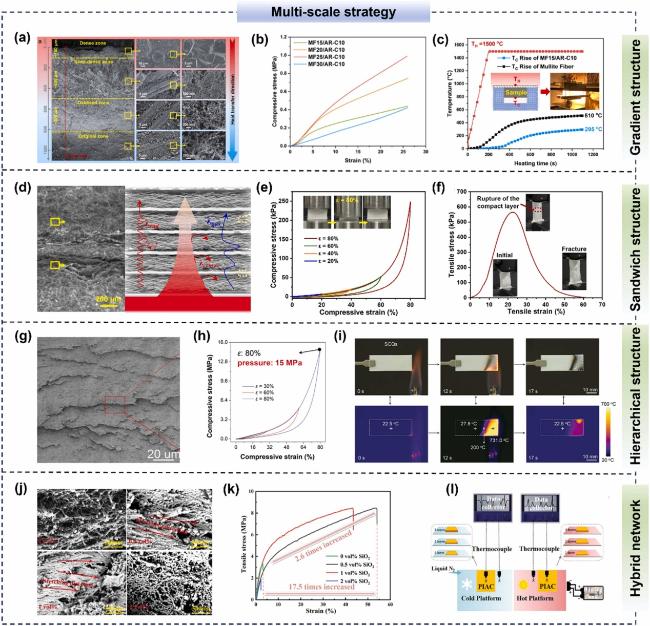
Fig. 8. Multiscale structure design for improved mechanical and thermal performance. (a) SEM images of cross section and enlarged views of different zones for MF15/AR-C50. (b) The compressive stress-strain profiles. (c) Photograph of the quartz lamp simulation experiment (inset) and cold-side temperature rise-time curves of MF15/AR-C10 and mullite fiber at 1500 °C for 900 s [74] © 2023 Elsevier B.V. All rights reserved. (d) SEM image of the sandwich structure in S-CNFAs. (e) Compressive σ−ε curves. (f) Tensile σ−ε curve of S-CNFAs [43] © 2025 Elsevier B.V. All rights are reserved, including those for text and data mining, AI training, and similar technologies. (g) SEM analysis of SCQ aerogels. (h) The compressive stress-strain curves. (i) Photographs and infrared images of SCQs exposed to the flame of an alcohol lamp [42] © 2023 Wiley‐VCH GmbH. (j) Section morphology of tensile fracture of PIACs with different SiO2 content. (k) Tensile stress-strain curves. (l) Diagram of a test device for membranes from high to cryogenic temperature. e) Low temperature thermal insulation performance test of PIAC with different layers [45] © 2025 Wiley‐VCH GmbH. |
Sandwich Structures. Sandwich structures, which consist of a lightweight, low-density core sandwiched between two thin, strong face sheets, are a classic engineering solution for achieving high stiffness and strength at minimal weight. This concept has been successfully translated to ceramic aerogels. Zhang et al. utilized a pressureless fabrication methodology to prepare S-CNFAs (Figs. 8g to 8i) [43]. The hierarchical configuration incorporates tightly bonded bifunctional fibrous units at the microscale, interlocked dome-shaped cellular networks at the mesoscale, and a dense-porous-dense trilayer arrangement at the macroscale, collectively facilitating load redistribution and mechanical energy absorption. The resulting S-CNFAs delivered a tensile strength of 565 kPa with exceptional durability under multiaxial loading conditions including compression, bending, knotting, and internal pressure. The sandwich design effectively protects the delicate fluffy core while the strong, compact face sheets bear the brunt of the mechanical load. Thermally, the compact face sheets can also act as radiative barriers or oxidation-resistant layers, while the fluffy core provides high insulation.
The concept of sandwich structures can be extended to larger-scale thermal protection systems (TPS). Sun et al. developed a stitch-reinforced multilayer thermal protection system (SSTPS) with a ceramic-fiber-reinforced SiO2 aerogel (CFRSA) core [76]. Stitching the sandwich layers together substantially improved flatwise tension, compression, and shear performance of the CFRSA core. Complementary mechanical models, including finite element simulation of a representative unit cell, were established to predict macroscopic properties, demonstrating the value of integrating experimental fabrication with computational modeling for structural design, demonstrating the power of combining experimental design with theoretical modeling. The stitching provides an additional level of reinforcement, preventing delamination and ensuring structural integrity under complex loading.
Sandwich structures are not limited to planar geometries. Mei et al. constructed a load-bearing thermally insulating integrated sandwich architecture via 3D-printed SiC lattice cores infilled with quartz fiber-reinforced silica aerogel [77]. The body-centered cubic lattice skeleton provided structural load-bearing capacity, while the aerogel infill ensured thermal insulation. The resulting composite exhibited a compressive strength enhancement of up to 238.6% alongside superior insulation efficiency relative to unfilled lattice structures, confirming that architected lattice-aerogel combinations represent an effective pathway toward multifunctional lightweight structures. This work demonstrates that combining architected lattices with aerogel infill is a highly effective strategy for creating multifunctional structures with both high load-bearing capacity and superior thermal insulation.
Hierarchical Structures. Hierarchical structures integrate features across multiple length scales, from the atomic and nanoscale to the microscale and macroscale, to achieve synergistic property enhancements. This approach, often inspired by biological materials, allows for the optimization of properties at each scale to create a material with overall performance that far exceeds what is possible with a single-scale design. For mechano-thermal co-design, hierarchical structures are particularly powerful because they can independently optimize mechanical load transfer at the microscale (e.g., via fiber networks) and thermal insulation at the nanoscale (e.g., via nanopores and interfaces).
An example of bioinspired hierarchical design is the nacre-mimetic nanocomposite aerogel developed by Zhang et al. [42]. By synthesizing a lamellar cellulose nanofibrous network with in-situ mineralization to replicate the mother-of-pearl architecture, they achieved a thermal conductivity of 17.4 mW m-1 K-1 alongside high compressive stiffness, superelasticity, and bending flexibility. The multiscale structural interplay between the inorganic and organic constituents underpins this exceptional property combination, demonstrating that bio-inspired hierarchical configurations offer a compelling strategy for engineering high-performance multifunctional aerogels.
Hierarchical design principles extend naturally to all-ceramic systems. Dou et al. fabricated a cellular silica nanofibrous aerogel by integrating electrospun SiO2 nanofibers (SNFs) with SiO2 nanoparticle aerogels (SNAs) [78], wherein the fibrous cellular walls and uniformly dispersed nanoparticles cooperatively endowed the material with ultralow density, negative Poisson’s ratio, ultralow thermal conductivity, and temperature-invariant super elasticity spanning -196 to 1100 °C. The nanofibers constituted a compliant load-bearing skeleton, while the nanoparticles refined pore architecture to suppress thermal transport.
Zhao et al. constructed a hierarchical fibrous aerogel from streamlined dual-oxide nanofibers with a sheath-dense/core-porous cross-sectional configuration [79]. The flexible nanofiber network simultaneously mitigated ceramic brittleness and enabled effective thermal shielding, achieving a thermal conductivity as low as 7 mW m-1 K-1 and retaining thermomechanical integrity across -196 to 1300 °C at 80% compressive strain. The dense sheath prolonged heat conduction pathways and introduced interfacial thermal resistance, while nanopore confinement within the porous core impeded phonon propagation, collectively realizing an integrated multifunctional platform.
Yang et al. introduced an anisotropic nanofibrous-granular aerogel with a quasi-laminar multi-arch hierarchical-cellular architecture [80]. The incorporation of SiO2 nanoparticles as inter-fiber bridging nodes within the flexible fibrous network yielded a compressive strength of 60 kPa at 60% strain with fully recoverable deformation, offering a novel design paradigm for mechanically robust nanofibrous aerogel systems.
Hybrid and Interpenetrating Networks. A further evolution of composite design involves the creation of hybrid and interpenetrating networks, where two or more components form continuous, co-existing phases that are intimately intertwined at the molecular or nanoscale. This approach can lead to truly synergistic properties that are not simply the sum of the parts. From a thermal perspective, hybrid networks enable the integration of the elevated-temperature resilience characteristic of ceramics with the deformation tolerance inherent to polymeric constituents, though the organic phase inevitably imposes an upper service temperature ceiling. For applications below ~400 °C, these hybrids offer exceptional toughness and insulation. For applications below ~400 °C, these hybrids offer exceptional toughness and insulation.
A compelling example is the “creamer” aerogel developed by Zhou et al., which features a unique bicontinuous inorganic-organic structure [44]. This bicontinuous architecture merges the low density and flame retardancy of silica with the mechanical stiffness and hydrophobicity of polyimide, while circumventing the inherent brittleness of pure ceramics and the limited thermal endurance of neat polymers. The interpenetrating silica nanofiber-polyimide skeleton delivered rapid and repeatable shape recovery over 103 compression cycles alongside fatigue resistance exceeding 105 cycles across a service temperature up to 400 °C. The bicontinuous network allows the flexible polymer phase to dissipate energy while the rigid ceramic phase provides structural integrity and thermal stability, resulting in a material with an unprecedented combination of properties.
The concept of interpenetrating networks can also be applied to create materials with ultra-robust toughness. Chen et al. developed a double-crosslinked organic-inorganic hybrid aerogel composite (PIAC) by incorporating amino-modified SiO2 nanoparticles to reduce shrinkage and density ((Fig. 8j to l)) [45]. The dual-crosslinking strategy yielded exceptional thermal insulation alongside a record fracture toughness of 32.99 × 10⁶ kJ m-3, representing a 47.8-fold enhancement over previous aerogels, with a tensile strength of 8.5 MPa and elongation at break of 54%, marking the highest toughness reported in aerogel materials to date. The double-crosslinked network, combining organic polyimide chains and inorganic SiO2 nanoparticles, creates multiple energy dissipation mechanisms that allow the material to withstand high-impact forces and repeated folding without damage.
The "hard core-soft chain" concept, proposed by Long et al., provides a molecular-level design for achieving ultrahigh strength in SiO2-based aerogels [81]. By architecting an alternating rigid-node and flexible-chain configuration to synergistically boost compressive strength while preserving deformability, they constructed hierarchical nanoscale building blocks with enhanced structural integrity. The resulting SiO2-based aerogel achieved a compressive strength of 65.6 MPa at a density of 0.245 g/cm3, superior deformability, and thermal superinsulation performance. This work demonstrates that mechanical properties can be engineered from the molecular level up, providing a new paradigm for designing high-strength aerogels.
Another approach is the creation of interpenetrating double network structures in purely ceramic systems. Liu et al. fabricated a SiBCN@SiC interpenetrating ceramic composite aerogel [82], wherein a macroporous SiC fiber scaffold constituted the primary load-bearing network, with a SiBCN aerogel matrix infiltrated as the secondary phase. This dual-network configuration mitigated the heat transfer limitations of a standalone SiC fiber network, suppressing overall thermal conductivity, while simultaneously conferring compressive strengths of 2.56-2.89 MPa through the mechanically interlocked architecture, demonstrating that interpenetrating ceramic networks can be a powerful strategy for enhancing mechanical strength.
The concept of hybrid interpenetrating networks can be further extended to create damage-tolerant materials for extreme environments. Zhang et al. constructed multiscale carbon aerogel-ceramic composites reinforced by quasi-inorganic fiber-derived scaffolds within a hybrid matrix [83]. Through deliberate tailoring of partially debonded fiber/matrix interfaces and a surface layer with graded porosity, the composite achieved a flexural strength of 34.27 MPa and fracture toughness of 2.05 MPa m1/2, surpassing the majority of existing aerogel-based structural materials. The hybrid matrix and carefully designed interfaces allow for uniform stress distribution and controlled crack propagation, resulting in exceptional damage tolerance alongside excellent thermal insulation and ablation resistance.
Yan et al. synthesized a high-attenuation broadband microwave-absorbing SiOC ceramic aerogel via a bicontinuous silicone dual-network precursor [84]. The co-existing carbon-rich and silica-rich frameworks generated abundant SiO2-C heterogeneous interfaces, promoting dielectric polarization and optimizing impedance matching. Beyond electromagnetic functionality, the open-porous architecture (porosity > 49%) and mechanically interlocked network delivered compressive strengths spanning 9.0-56.9 MPa, demonstrating the versatility of interpenetrating network design for concurrent optimization of mechanical, thermal, and functional properties. This work demonstrates that the interpenetrating network strategy is highly versatile and can be used to simultaneously optimize mechanical, thermal, and functional properties.
Therefore, composite and multi-scale strategies represent the pinnacle of mechanical design in ceramic aerogels. By embracing the complexity of gradient and sandwich architectures, drawing inspiration from hierarchical designs of nature, and creating sophisticated hybrid and interpenetrating networks, researchers are developing aerogels with an unprecedented range of properties. These strategies not only push mechanical performance to record levels in strength, toughness, and resilience, but also enable seamless multifunctional integration, establishing a foundation for next-generation structural materials targeting aerospace, energy, and other demanding applications.
6. Performance Under Extreme Conditions
The ultimate validation of the advanced design strategies discussed in previous sections lies in the performance of ceramic aerogels under the extreme conditions for which they are being developed. Applications in aerospace, deep-space exploration, and advanced nuclear systems demand materials that can maintain their structural integrity and functionality across a vast range of temperatures, during dynamic loading events, and under intense radiation. Crucially, in these environments, mechanical and thermal behaviors are not independent. A material that sinters at high temperature loses both its elasticity and its insulating capacity; thermal shock can induce cracks that propagate under mechanical load; radiation can simultaneously alter thermal conductivity and fracture toughness. Therefore, as shown in Fig. 9, this section evaluates the “mechano-thermal coupling” performance, how well the aerogel retains its mechanical resilience (elasticity, strength, fatigue resistance) while preserving its thermal functions (low conductivity, dimensional stability, oxidation resistance) under extreme thermal, radiative, and dynamic conditions. The ability to retain mechanical robustness and elasticity from cryogenic cold to ultrahigh heat, to withstand radiation-induced damage, and to survive high-strain-rate impacts is the defining challenge for next-generation aerogel materials. This section reviews the remarkable progress made in understanding and engineering ceramic aerogels to meet these challenges, focusing on their mechanical behavior at high temperatures, cryogenic temperatures, under radiation, and under dynamic and impact loading.
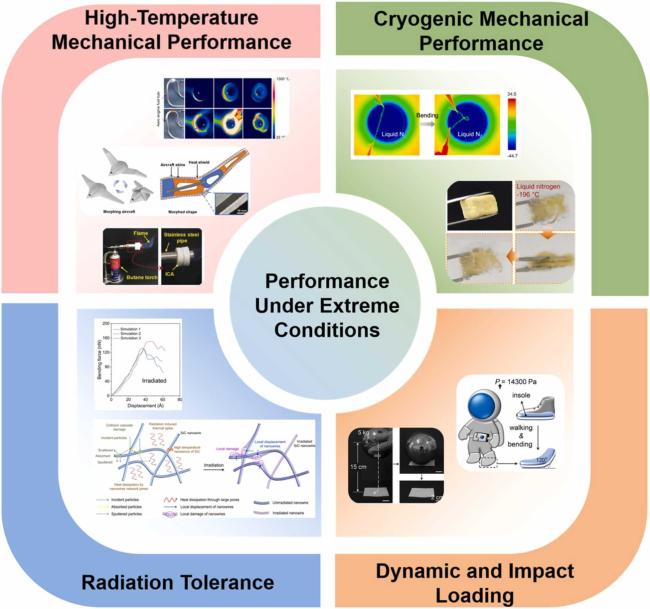


Fig. 9. Performance of aerogels under extreme conditions. Reproduced with permission from Ref.[22], [25], [34], [42], [47], [48], [51] © 2020 Wiley‐VCH GmbH, Copyright © 2022, The Author(s), © 2024 Wiley‐VCH GmbH, © 2023 Wiley‐VCH GmbH, Copyright © 2025, American Chemical Society, Copyright © 2025, American Chemical Society. |
6.1. High-Temperature Mechanical Performance
In aerospace thermal protection systems (TPS) and high-temperature industrial insulation scenarios, preserving mechanical integrity under extreme thermal conditions constitutes a fundamental material requirement. Traditional ceramic aerogels often suffer from strength degradation, structural collapse, and increased thermal conductivity at elevated temperatures due to sintering, grain growth, and phase transformations[46], [48]. However, the new generation of architectured and engineered aerogels has demonstrated unprecedented high-temperature mechanical stability. The key metric here is the retention of both elasticity (for thermal shock resistance) and low thermal conductivity (for insulation) after prolonged high-temperature exposure.
A key breakthrough has been the realization of temperature-invariant superelasticity in various nanofibrous aerogel systems. Xu et al. fabricated ceramic aerogels comprising dense, non-porous ceramic nanofibers, which demonstrated temperature-invariant superelasticity up to 1300 °C alongside fatigue resistance over thousands of compression cycles [46]. By employing sols rich in highly condensed inorganic molecular chains without polymer additives, the formation of pore defects serving as stress concentrators was effectively suppressed. This approach inhibits permanent structural deterioration upon mechanical loading, enabling the aerogel to sustain its elasticity and robustness even under extreme thermal conditions. Notably, the dense nanofiber structure also resists sintering, preserving low thermal conductivity at high temperatures.
Similarly, Zhang et al. developed lamellar multi-arch structured ZrO2-Al2O3 nanofibrous aerogels exhibiting a rare combination of exceptional strength, superelasticity, and thermal stability up to 1300 °C [59]. These aerogels demonstrated rapid shape recovery from 90% compressive strain, a compressive strength exceeding 1100 kPa at 90% strain, and outstanding resistance to cyclic fatigue loading, with mechanical performance remaining essentially unchanged across the entire working temperature range. The fully ceramic composition, coupled with the distinctive lamellar multi-arch architecture, confers extraordinary thermomechanical durability, rendering these materials well-suited for thermal insulation applications in demanding high-temperature environments.
Beyond superelasticity, the high-temperature compressive behavior of fiber-reinforced aerogels has been systematically studied. Lyu et al. systematically examined how elevated temperatures influence the compressive response and shape recovery behavior of ceramic fiber-reinforced silica aerogel composites [50]. Their results revealed that both compressive modulus and strength exhibit a monotonic increase with rising thermal exposure and testing temperatures, whereas the capacity for deformation recovery progressively deteriorates. Such behavior originates from thermally driven microstructural evolution: at elevated temperatures, viscous flow and mass redistribution promote the coalescence of aerogel particles, consolidating the skeletal network into a coarser and denser framework with correspondingly enhanced stiffness and load-bearing capacity. Nevertheless, the concurrent nucleation and rupture of enlarged pores introduce matrix cracking, which increasingly impairs the reversibility of deformation. This work highlights the complex interplay between thermal treatment and mechanical response, emphasizing the need to understand and control sintering effects.
The creep behavior of ceramic aerogels at high temperatures is another critical consideration for long-term applications. Yang et al. conducted a comparative study on the creep behavior of ceramic fiber-reinforced alumina and silica aerogels under varying thermal and mechanical conditions [49]. At temperatures below 300 °C, negligible creep was observed under moderate stress levels; however, time-dependent deformation became pronounced at higher applied stresses. Upon reaching 900 °C, creep strains escalated to 20-69 times those measured at 300 °C, with the overall creep response well captured by a power-law constitutive model. Notably, the alumina aerogel demonstrated superior creep resistance alongside excellent thermal stability and insulating performance at temperatures exceeding 800 °C, positioning it as a preferred candidate for high-temperature insulation applications. In contrast, the silica aerogel, constrained by accelerated sintering kinetics and inferior creep resistance, remains more applicable within lower service temperature regimes below 600 °C. This comparative study provides valuable guidance for material selection based on service temperature requirements.
The high-temperature mechanical performance is intimately linked to thermal stability and oxidation resistance. Jiang et al. developed a lightweight, thermally insulating SiBCN/Al2O3 composite ceramic aerogel with enhanced high-temperature resistance [85]. The composite aerogel demonstrated superior high-temperature structural stability, retaining dimensional integrity with a mere 6.5% linear shrinkage after thermal treatment at 1200 °C for 2 hours in air. The incorporation of Al2O3 substantially reinforced oxidation resistance, effectively mitigating skeleton densification and functional degradation in high-temperature oxidizing atmospheres. This work underscores the importance of compositional design in achieving high-temperature mechanical stability.
High-entropy ceramics have emerged as a powerful platform for achieving exceptional thermomechanical properties. Wang et al. developed a high-entropy (La1/4Sm1/4Gd1/4Y1/4)2Zr2O7 (ZLSGY) aerogel through compositional phase engineering [86]. The pronounced lattice distortion and retarded atomic diffusion intrinsic to this high-entropy system collectively promoted grain refinement strengthening under extreme service conditions. The fabricated aerogel displayed outstanding mechanical flexibility, with compressive, tensile fracture, and bending strains reaching 98%, 52%, and 99%, respectively. Moreover, it retained exceptional thermomechanical stability up to 1400 °C, with strength degradation remaining below 3% following 10⁵ high-temperature deformation cycles. These findings establish that high-entropy compositional design constitutes an effective strategy for suppressing grain coarsening and mitigating strength deterioration that commonly afflicts conventional low-entropy ceramics under prolonged high-temperature loading.
6.2. Cryogenic Mechanical Performance
For applications in space exploration, liquid propellant storage, and cryogenic insulation, materials must preserve their flexibility and mechanical integrity under extremely low temperatures, potentially reaching −196 °C in liquid nitrogen environments or approaching absolute zero at 4.2 K in liquid helium. Remarkably, many of the same nanostructured ceramic aerogels that exhibit high-temperature superelasticity also demonstrate outstanding mechanical performance at cryogenic temperatures. The ability to maintain elasticity across such a wide temperature ranging from cryogenic to ultrahigh is a testament to the robustness of the 1D network architecture, which avoids brittle-to-ductile transitions common in bulk ceramics.
The ability to withstand both extreme heat and extreme cold is a hallmark of well-designed nanofibrous architectures. Qiu et al. developed Si3N4 aerogel fibers (SNAF) via an innovative rotation-lifting and spinning technique [48]. The resulting fibers demonstrated excellent thermal insulation performance, inherent flame retardancy, and notable structural durability at elevated temperatures, retaining both mechanical strength and flexibility across a broad operational temperature window spanning from −196 °C to 1000 °C. The Si3N4 nanowire network retains its structural integrity and mechanical response across this enormous thermal span, highlighting the robustness of the 1D building block architecture.
Similarly, Xue et al. fabricated fatigue-resistant, thermally insulating polyimide nanofibrous aerogels (PINAs) featuring a nanofiber-lamella crosslinking architecture that confers temperature-invariant mechanical flexibility [47]. The robust crosslinked network bridging the nanofibers and lamellar units endowed the PINAs with consistent flexibility across a temperature range from −196 °C to 300 °C, accompanied by favorable mechanical performance and a strain recovery rate as high as 97% upon 10,000 consecutive compression-release cycles at 75% strain. The ability to maintain flexibility and resilience at cryogenic temperatures is crucial for applications in space where materials must survive the cold of deep space while also potentially experiencing rapid temperature swings.
The cryogenic performance is not limited to polymeric or hybrid systems. The work by Su et al. on curly SiC-SiOx bicrystal nanowire aerogels directly demonstrates cryogenic resilience [32]. The aerogel displayed excellent mechanical stability at temperatures as low as −196 °C in liquid nitrogen, alongside its high-temperature performance up to 1200 °C. The cooperative deformation, mutual interaction, and progressive reorientation of the curly nanowires collectively mitigate local stress accumulation and impede crack nucleation, constituting a mechanistic basis that remains operative across this entire temperature span, underscoring the power of morphological design for achieving temperature-invariant mechanical properties.
6.3. Radiation Tolerance
For applications in nuclear reactors, space exploration (exposure to cosmic rays), and particle physics experiments, ceramic aerogels must withstand high-energy radiation without significant degradation of their mechanical properties. Radiation can cause amorphization, void formation, and densification in conventional ceramics, leading to embrittlement and structural collapse. However, the unique nanowire network structure of ceramic aerogels offers a promising pathway for radiation tolerance. Radiation can also alter thermal conductivity by introducing defects that scatter phonons; this is a less-explored aspect of the coupled response.
Niu et al. reported a mechanically resilient SiC nanowire aerogel capable of overcoming the performance limitations of conventional aerogels under irradiation conditions [51]. Following exposure to high-energy, high-dose radiation, the aerogel preserved its structural integrity and mechanical strength at levels comparable to the pristine material, while simultaneously demonstrating outstanding shape recovery and fatigue resistance. This durability stems from the inherent chemical stability of SiC nanowires and the large interconnected pore network, which collectively provide sufficient accommodation space for radiation-induced lattice damage. More remarkably, radiation-generated defects, including amorphized regions and voids, were found to actively improve nanowire flexibility and strength by functioning as stress-relief sites during deformation. Such a damage-tolerant mechanism, wherein the material exploits radiation-induced defects to its structural advantage, represents a conceptual departure from conventional approaches to radiation-resistant materials design. This beneficial response to irradiation was further validated in Si₃N₄ nanowire aerogels, suggesting the generalizability of this strategy across ceramic nanowire network systems, and opening new avenues for deploying ceramic aerogels in advanced nuclear and space applications demanding long-term reliability under intense radiation fields. The ability to not just survive but actually benefit from radiation damage is a remarkable property that stems directly from the 1D nanoscale architecture and the high stability of the constituent materials.
6.4. Dynamic and Impact Loading
In many extreme environments, materials are subjected to dynamic, high-strain-rate loading events, such as impacts from micrometeoroids, blast waves, or rapid acceleration. Under high-rate deformation, adiabatic heating can occur, coupling thermal and mechanical effects. The mechanical response of materials under these conditions can be very different from their quasi-static behavior. Understanding and engineering aerogels for dynamic loading is therefore crucial for practical applications.
Yang et al. investigated the compressive response and fracture characteristics of ceramic fiber-reinforced carbon aerogel under both quasi-static and dynamic loading conditions, employing a universal testing machine alongside a split Hopkinson pressure bar apparatus [53]. A pronounced strain-rate strengthening effect was identified in the compressive behavior, with quasi-static failure strains consistently exceeding those measured under dynamic loading. Under quasi-static conditions, the carbon aerogel matrix fragmented into small debris while the fibers detached from the matrix with minimal deformation, suggesting that the fiber reinforcement contributed negligibly to load bearing at low strain rates. Under dynamic compression, however, the matrix shattered into fine fragments, and the fibers underwent bending, fracture, and interfacial debonding, indicating a substantially greater fiber contribution to stress transfer at elevated strain rates. Additionally, rapid compression of the entrapped gas within the porous network generated elevated internal pressure, further amplifying the apparent internal stress. The combined effects of fiber load redistribution and gas pressurization account for both the observed strain-rate strengthening and the earlier onset of fracture under high-rate loading.
Luo et al. examined the high-strain-rate compressive behavior of isocyanate-crosslinked silica aerogel (CSA) using a split Hopkinson pressure bar [52]. Both Young's modulus and compressive yield strength were found to scale substantially with sample density. High-speed camera imaging combined with digital image correlation was employed to track surface strain evolution during deformation, revealing relatively uniform axial strain distribution without localized compaction up to approximately 17% compressive strain. This homogeneous deformation pattern implies that the dominant failure mechanism under high-rate loading differs fundamentally from that observed in quasi-static conditions. Although CSA specimens predominantly failed via splitting, they exhibited considerably greater ductility compared to native silica aerogels, reflecting the beneficial role of isocyanate crosslinking in enhancing deformability.
The dynamic response of aerogels is also relevant for hypervelocity impact applications, such as in cosmic dust collectors. An et al. performed hypervelocity impact experiments using aluminum projectiles launched against aluminosilicate fibrous porous ceramic targets at velocities reaching approximately 3.8 km/s via a two-stage light gas gun [87]. Projectile damage was categorized into two distinct regimes: plastic deformation and fragmentation, each exerting a markedly different influence on cavity morphology within the target. At impact velocities below 3.37 km/s, the projectile underwent plastic deformation while maintaining structural continuity, penetrating the target intact and producing a characteristic elongated "carrot-shaped" cavity. At or above this threshold velocity, the projectile disintegrated into fragments upon impact, yielding a broader "bulb-shaped" cavity profile. These experimental findings supply essential benchmark data for the validation of numerical simulation frameworks and theoretical models describing hypervelocity penetration of porous ceramic materials.
The ability to withstand dynamic loading is also critical for applications involving vibration and fatigue. Zhang et al. investigated the densification effect on the impact behavior of SiO2f/SiO2 woven ceramic matrix composites filled with silica aerogel [88]. Through split Hopkinson pressure bar (SHPB) compressive impact testing, aerogel filling was demonstrated to meaningfully enhance the anti-impact mechanical performance of the composites. Complementary finite element analysis (FEA) simulations yielded close agreement with experimentally obtained stress-strain curves and observed failure modes, confirming that compressive impact behavior can be reliably predicted through computational modeling. This work underscores the value of integrating experimental characterization with numerical approaches in designing aerogel composites for impact resistance.
To enable quantitative comparison of mechano-thermal co-optimization across different material systems, we define a Co-design Efficiency Factor (CEF) as follows:
$CEF = (σ/ρ) × (λ/λ) × (T_{max}/1000)$
where σ is compressive strength (kPa), ρ is density (mg/cm3), λ = 26 mW·m-1·K-1 (thermal conductivity of still air), λ is the aerogel’s thermal conductivity (mW·m-1·K-1), and Tmax is the maximum service temperature in air (°C). A higher CEF indicates better combined performance in strength, thermal insulation, and temperature capability. Based on reported data, Table 1 presents CEF values for representative aerogels.
The mechanical performance of ceramic aerogels under extreme conditions is a rapidly advancing frontier. From temperature-invariant superelasticity spanning nearly two thousand degrees, to damage-tolerant behavior under intense radiation, to strain-rate-dependent strengthening under dynamic loading, these materials are proving to be far more robust than their brittle predecessors. The key to this progress lies in the deliberate architectural design at the nanoscale, the engineering of robust interfaces, and the use of composite and multi-scale strategies. Critically, the most successful designs are those that achieve synergy between mechanical and thermal functions. For example, a lamellar architecture that simultaneously provides high strength in one direction and low thermal conductivity in the perpendicular direction, or a core-shell structure that reinforces nodes while also blocking oxidation. As our understanding of the underlying mechanisms deepens and our ability to model and predict performance improves, we can expect to see ceramic aerogels deployed in an ever-widening range of extreme environment applications, from the cold vacuum of deep space to the fiery plasma of hypersonic flight.
7. Conclusion and Outlook
The journey of ceramic aerogels from inherently brittle, nanoparticle-based solids to mechanically robust, architectured metamaterials represents a remarkable triumph of nanoscale design. This review has charted the evolution of strategies for tuning the mechanical properties of these ultralight materials, drawing exclusively from the wealth of recent research documented in the provided literature. A central theme that emerges is the necessity of “mechano-thermal co-design”: each design choice from the building block to the network architecture to the interface chemistry affects not only mechanical resilience but also thermal conductivity and high-temperature stability. The most successful strategies are those that exploit synergies between mechanical and thermal functions or, at a minimum, avoid detrimental trade-offs. This reflects a broader paradigm shift moving beyond the limitations of weak 0D nanoparticle networks to embrace the vast design space offered by 1D and 2D nanoscale building blocks and their deliberate assembly into sophisticated macrostructures.
7.1. Summary of Key Strategies
Table 2 shows the comparison of design strategies and mechano-thermal synergy for elastic ceramic aerogels. The first and most fundamental step in this journey is the selection and engineering of the nanoscale building blocks themselves. The transition from 0D nanoparticles to 1D nanowires, nanofibers, and nanoribbons of materials like SiC, Si3N4, and mullite has been transformative [19], [27], [89], [90]. These high-aspect-ratio elements possess intrinsic flexibility, enabling deformation mechanisms such as bending, sliding, and buckling that are absent in traditional aerogels. The exploration of other nanoscale morphologies, such as Al2O3 nanorods and BN nanosheets, further expands the design toolkit, allowing for the creation of hybrid systems with synergistic properties [64], [66].
The second critical layer of design involves the architecting of these building blocks into a macroscopic network. Here, the spatial arrangement of the nanoscale units dictates the overall mechanical response. Lamellar and layered structures have proven exceptionally effective at imparting both high strength and flexibility, as exemplified by laminated SiC nanowire aerogels [30] and the high compressive strength of laminated Si3N4 aerogels [31]. Thermally, lamellar structures introduce strong anisotropy, which can be exploited for directional insulation. Honeycomb and dome-celled architectures achieve remarkable structural efficiency, enabling ultrahigh-temperature superelasticity [37]. Their closed cells also suppress gas conduction. Anisotropic designs allow for the decoupling of properties along different axes, optimizing load-bearing capacity in one direction while maintaining insulation in another [35]. Furthermore, the introduction of helical, buckled, and curly morphologies has unlocked unprecedented stretchability and recoverable tensile deformation, overcoming a traditional bottleneck of ceramics aerogels [32], [34].
The third strategy is interfacial engineering and node reinforcement. The junctions where individual building blocks meet are the critical points for stress transfer and potential failure. Strengthening these nodes is paramount. In-situ X-ray micro-CT studies have directly visualized the protective effect of a matrix on fiber bonding areas, confirming that node integrity is important for macroscopic strength [91], [92]. Techniques such as interfacial cross-linking via chemical vapor deposition (CVD) create robust connections at these junctions [70]. Core-shell structures, where a mechanically robust core (e.g., SiC) is coated with a functional shell (e.g., SiO2, PyC), enhance load-bearing capacity, protect against oxidation, and can even create multifunctional interfaces [40], [60], [71], [93]. The shell material critically determines the upper service temperature in oxidizing environments: SiO2 shells enable high-temperature air stability, while carbon shells limit it to inert atmospheres. The most sophisticated approach involves the creation of dual-phase nodes, such as the synergistic combination of “soft” PyC and “hard” SiO2, which simultaneously relieves local stress concentrations and distributes load, achieving both high strength and elasticity [38], [41]. The formation of strong chemical bonds, like Zr-O-Si, at these interfaces creates continuous layers that improve strength and impact resistance [62].
Finally, composite and multi-scale strategies elevate mechanical and thermal properties to a higher level. Gradient structures manage stress and thermal gradients, resolving trade-offs between functional and mechanical performance [72]. Sandwich structures, with strong face sheets and a lightweight core, achieve exceptional stiffness and strength at minimal weight [43]. Hierarchical designs, often inspired by nature, integrate structural features across multiple length scales to attain property combinations unachievable through single-scale approaches, as exemplified by nacre-mimetic aerogels simultaneously exhibiting exceptional mechanical strength and remarkably low thermal conductivity [42]. Hybrid and interpenetrating networks, such as “creamer” aerogels with bicontinuous organic-inorganic phases, create truly synergistic materials that combine the best attributes of both components [44]. However, their thermal stability is limited by the organic phase.
The ultimate validation of these strategies lies in the performance of these materials under extreme conditions. Table 3 summaries the thermal stability and service boundaries of different material systems. The new generation of ceramic aerogels exhibits remarkable high-temperature mechanical stability, with many demonstrating temperature-invariant superelasticity up to and beyond 1000 °C [37], [50], [59]. Creep behavior studies reveal the mechanisms of thermal softening and densification [49], [50]. High-entropy designs offer a powerful route to suppress grain growth and strength degradation at ultrahigh temperatures [86]. Crucially, these materials also maintain their flexibility and strength at cryogenic temperatures as low as -196 °C [47], [48]. The development of radiation-tolerant aerogels, which use their unique nanowire network to accommodate and even benefit from radiation damage, opens new frontiers for nuclear and space applications [51]. Furthermore, studies on dynamic and impact loading reveal significant strain-rate strengthening effects and provide critical data for understanding their behavior under high-speed impact events [53], [87].
7.2. Current Challenges and Future Directions
Despite the extraordinary progress documented in this review, significant challenges remain on the path to widespread practical application. Addressing these challenges will define the future trajectory of this field.
The Strength-Elasticity-Insulation Trade-off. While great strides have been made in simultaneously enhancing these properties, a fundamental trade-off often persists. Achieving the ultrahigh compressive strength of laminated aerogels while maintaining the extreme stretchability of buckled nanofibrous aerogels and retaining ultralow thermal conductivity in a single material remains a grand challenge. Moreover, dense, strong structures tend to have higher solid thermal conductivity, while highly porous, insulating structures are mechanically weak. Future research will need to focus on hierarchical designs that decouple these properties across different length scales, for example, a strong, dense skin for load bearing and a porous, insulating core.
Long-Term Stability and Reliability under Coupled Loads. The studies reviewed here primarily focus on short-term mechanical performance. For applications in aerospace and energy, long-term stability under prolonged thermal exposure, thermal cycling, creep, and fatigue is critical. Furthermore, the coupling between mechanical and thermal degradation mechanisms (e.g., stress-enhanced sintering, thermal fatigue cracking) is poorly understood. More systematic studies on long-term durability under combined thermal and mechanical loads and the development of accelerated testing protocols are urgently needed.
Predictive Design through Machine Learning and Multiscale Modeling. The design space for ceramic aerogels is vast, encompassing countless combinations of building blocks, architectures, and interfaces. Experimentally exploring this space is inefficient. The integration of machine learning with multiscale modeling holds immense promise for accelerating discovery. Deep learning surrogate models can be trained on physics-based simulation data to predict microstructure-property relationships, enabling efficient uncertainty quantification and guiding experimental efforts. Future modeling frameworks should be further extended to capture coupled mechano-thermal responses, including the dependence of thermal conductivity on compressive deformation state and the prediction of high-temperature creep lifetime.
Scalable and Sustainable Manufacturing. Many of the most sophisticated aerogel architectures are currently fabricated using time-consuming, energy-intensive, or lab-scale techniques. Translating the intricate designs of dome-celled or hierarchically structured aerogels to industrial-scale production is a monumental challenge. Future work must focus on developing scalable, cost-effective, and environmentally benign manufacturing processes that can preserve the nanoscale precision achieved in the lab.
In summary, the field of ceramic aerogels has undergone a revolution, evolving from a study of brittle curiosities to a rich discipline of nanoscale architectural design. By mastering the art of building with nanoscale units, engineering their interfaces, and assembling them into hierarchical structures, researchers have created materials with an unprecedented combination of low density, mechanical robustness, and functionality. The most exciting frontier lies in the deliberate co-design of mechanical and thermal properties, creating materials that are not only strong and elastic but also retain their insulating capacity at ultrahigh temperatures, resist oxidation, and survive thermal shock. This requires a holistic view where every architectural and interfacial decision is evaluated for its dual impact. The path forward lies in consolidating these design principles, tackling the grand challenges of scalability and long-term reliability, and embracing the power of data-driven discovery. The outcome will be a new generation of “programmable” aerogels precisely engineered to satisfy the most stringent performance demands of emerging technologies, spanning from next-generation spacecraft to advanced clean energy infrastructure.
Declaration of Competing Interest
We declare that we have no competing financial interests or personal relationships that could have appeared to influence the work reported in this paper.