

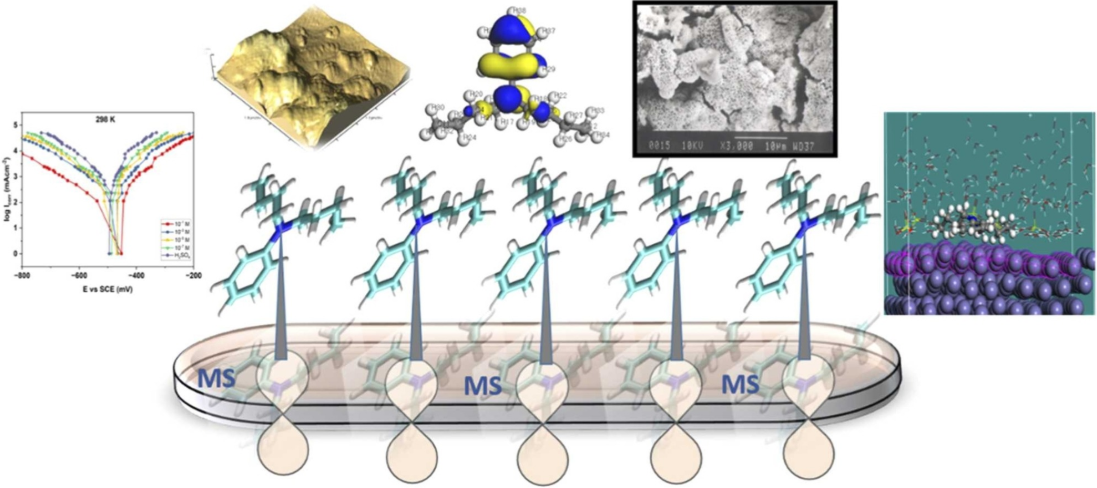
Introduction
Corrosion is a pervasive issue, significantly affects the longevity and performance of materials, particularly metals. Mild steel, valued for its superlative mechanical attributes and commendable economic viability, is ubiquitously employed in construction, infrastructure, and various industrial applications. However, it's high susceptibility to corrosion leads to material degradation, compromised structural integrity, and increased maintenance costs. Mild steel corrosion primarily occurs through electrochemical processes, [1,2] where the metal reacts with environmental factors such as moisture, oxygen, and electrolytes. This phenomenon may materialize in a plethora of morphologies, encompassing uniform degradation, pitting phenomena, and crevice-induced corrosion, each presenting unique challenges for mitigation. Understanding the mechanisms of corrosion in mild steel is essential for developing effective prevention strategies, such as protective coatings, alloying, and cathodic protection.
Use of inhibitors represent a promising approach to mitigating corrosion in mild steel, [3] providing effective and adaptable solutions across various industries, including oil and gas [4], marine, chemical processing [5], construction, automotive [6], mining, aerospace [7], etc. these industries utilize corrosion inhibitors to enhance safety, reduce maintenance costs, and extend the lifespan of metal components and structures. Corrosion of mild steel not only leads to material degradation but also results in profound pecuniary detriments on a global scale. According to the National Association of Corrosion Engineers (NACE), metal corrosion across various industries accounts for approximately 3.4% of the world GDP annually. The application of effective corrosion inhibitors has the potential to substantially mitigate these economic losses [8,9]. Ongoing research into new formulations and environmentally friendly alternatives continues to enhance their applicability, contributing to improved longevity and performance of mild steel structures in corrosive environments [10].
Effective corrosion inhibitors are typically organic compounds [11-15] featuring π bonds in conjugation and/or heteroatoms such as phosphorus (P), sulfur (S), nitrogen (N), and oxygen (O). These chemical entities augment corrosion resilience by adhering to metallic substrates [16,17], engendering protective stratifications that obstruct electrochemical processes. Among these, nitrogen-containing compounds, amine derivatives have shown significant potential because of their strong adsorption properties and ability to form stable complexes with the metal surface. Their structural characteristics allow for strong interaction with the metal, making them valuable in protecting against corrosion in various industrial settings. These inhibitors often exhibit high efficiency and low toxicity, making them a viable choice for industrial applications.
In recent years, a significant body of research has investigated the application of amine derivatives for corrosion inhibition in acidic environments. For example, Poly (aniline-formaldehyde) [18] demonstrated inhibition efficiency (IE) exceeding 90% at 1 ppm, reaching a maximum of 98.75% at 10 ppm. Impedance and temperature studies confirmed an adsorption-based inhibition mechanism, while potentiodynamic polarization indicated its mixed-type inhibitor behavior. 4-Chloro-N-(pyridin-2-ylmethyl) aniline (CPYA) [19] was synthesized and evaluated as a corrosion inhibitor for MS in acidic medium, exhibiting a maximum IE of 96.0% at a concentration of 4.59mmol/L. Comprehensive analyses of corrosion kinetics and thermodynamic parameters were conducted to elucidate the inhibition mechanism. In a different study by M.E. Belghiti and coauthors [20], Benzylidene-aniline derivatives (NCF and NCCM) were studied via polarization and EIS techniques. NCF was found to show an IE of 89.72% at 10-3M. Langmuir adsorption isotherm was followed, with thermodynamically favorable processes, and both inhibitors were identified as mixed-type.
Many organic compounds have been recommended as effective corrosion inhibitors in the oil and gas industry, particularly under highly acidic conditions. Abdelkarim Ait Mansour and coworkers investigated environmentally benign organic compounds from the isonicotinohydrazide family [21,22] as potential eco-friendly and nontoxic corrosion inhibitors for N80 carbon steel (N80CS) in a 15wt\%HCl solution. Notably, heterocyclic derivatives such as isatin-hy-drazones-including (E)-1-octyl-3-[2-(5-oxo-4,4-diphenyl)-4,5-di-hydro-1H-imidazol-2-yl)hydrazono]indolin-2-one (OPHIHI) and (E) - 3-[2-(5-oxo-4,4-diphenyl) - 4,5-dihydro-1H-imidazol-2-yl)hy-drazono]indolin-2-one (OIHIHI) [23] have demonstrated promising inhibitory properties. Similarly, Schiff base compounds such as N-(4-methoxyphenyl)-1-(1H-pyrrol-2-yl)methanimine (MPM), 1-(furan-2-yl)- N-(4-methoxyphenyl)methanimine (FMM), and N-(4-methox-yphenyl)-1-(thiophen-2-yl) methenamine (MTM) [24] have been studied for their corrosion inhibition performance on mild steel in 0.5 M H2SO4. Among these, MTM exhibited a maximum inhibition efficiency of 97.93% at a concentration of 250mgL-1, as measured by electrochemical methods. These studies underscore the relevance of nitrogencontaining heterocycles and their derivatives as potent corrosion inhibitors in acidic media, reinforcing the rationale for investigating NNDBA in the present work.
Aniline, p-toluidine, p-anisidine, p-phenitidine and N, N- dimethyly aniline have been found to exhibit inhibition efficiencies ranging from 72.7 % to 94.9 % as inhibitors for corrosion mitigation of mild steel in hydrofluoric acid (HF) [25]. Extensive research has been conducted on the corrosion behavior of mild steel in acidic environments using structurally analogous corrosion inhibitors. Notable examples include aniline [26], 4-acetamidoantipyrine [27], 3-(1,3-oxazol-5-yl) aniline [28], F-EN (ethyl (2Z)-3-[(4-fluorophenyl)-amino]-but-2-enoate) [29], as well as p-toluidine, o-aminophenol, anthranilic acid, and o-phenylenediamine [30].

Fig. 1. Structure of N, N Dibutyl aniline (NNDBA). |
In this study, the corrosion IE of N, N-dibutyl aniline for mild steel in a sulfuric acid medium is evaluated. N, N-Dibutyl aniline, an aromatic amine derivative, its molecular structure (Fig. 1), featuring an electron-donating aromatic ring and nitrogen-based functional groups, is expected to enhance adsorption and protect the steel surface by blocking active corrosion sites. The work involves coupon studies and electrochemical technique to assess the inhibition performance. Furthermore, adsorption characteristics and thermodynamic variables are scrutinized to elucidate the fundamental inhibition paradigm, providing insights into the applicability of N,N-dibutyl aniline as an effective corrosion inhibitor. This study advances the development of advanced corrosion inhibitors and provides insights into sustainable solutions for industrial corrosion challenges.
Materials and experimental methods
Materials
In gravimetric analysis, mild steel cubes of 1 cm×1 cm×1 cm were used while for the EIS study, mild steel of active area of 1 cm2 was submitted for corrosion in 0.5 M sulfuric acid (AR Grade) alone and in the presence of various concentrations of compound (NNDBA) in 0.5H2SO4 solution. NNDBA of Sigma-Aldrich (assay 97 %), a colourless liquid, was used. Mild steel of composition C: 0.15%,Mn:1.02%, S:0.0255%,P:0.25%,Si:0.8%, and remainder Fe was used. Prior to submersion in the corrosive testing media, mild steel specimens underwent abrasion in accordance with the ASTM G1-03 standard, which outlines the prescribed procedures for the preparation and cleaning of corrosion test specimens [31,32]. The specimens were subsequently rendered free of grease using acetone and thereafter desiccated within a desiccator.
Inhibitor
To ensure effective interaction between the inhibitor and the mild steel surface, the solubility of N,N-dibutylaniline (NNDBA) in 1MH2SO4 was considered. NNDBA contains a nitrogen atom with a lone pair of electrons, which can readily undergo protonation in acidic media, forming a positively charged ammonium species. This protonated form is ionic in nature, thereby enhancing the solubility of NNDBA in the acidic solution. During solution preparation, no turbidity, precipitation, or phase separation was observed across all concentrations studied (10-1M to 10-7M ), indicating that NNDBA was fully soluble and remained homogeneously dispersed throughout the experiments.
Experimental methods
Gravimetric studies: Meticulously polished and desiccated mild steel coupons were precisely weighed using a Mettler Balance before being immersed in diverse solutions (acid, 10-1M,10-3M,10-5M,10-7M acid-compound solution) for a duration of six hours at controlled temperatures from 298 K-328 K. Upon completion of the six-hour immersion period, the coupons were extracted from their respective solutions and rigorously cleansed with distilled water to eliminate all corrosion residues, then dried in a desiccator for 24 h, and finally weighed to obtain weight loss of the specimens.
Electrochemical studies: Potentiodynamic polarization and electrochemical impedance studies were conducted using a CHI760C analyzer. A conventional three-electrode system was employed, consisting of a platinum electrode as the auxiliary electrode, a calomel electrode as the reference electrode, and a mild steel electrode as the working electrode.
Surface studies: SEM, 2-D surface morphology of pit-free polished coupon was done at 298 K on corrosion exposure to acid, at the highest concentration (10-1M ) and the lowest concentration (10-7M ) NNDBA solution for 24 h by JEOL-840. AFM, 3-D surface morphology of crack-free polished surface of mild steel after exposure to acid, 10-1 M NNDBA solution for 24 h was done by VEECO CP II scanning probe microscope.
Quantum chemical calculations: The geometry of the NNDBA molecule was refined via Density Functional Theory (DFT) computations executed using the DMol3 module within the Materials Studio 2020 suite. The hybrid B3LYP exchange-correlation functional, combined with the double numeric plus polarization (DNP) basis set, was employed to elucidate the frontier molecular orbital energies and achieve an energetically favorable structural conformation.
Molecular dynamic simulation (MD Simulation): The adsorption behavior of NNDBA on the mild steel surface was modeled using the Simulated Annealing method coupled with the SMART algorithm, implemented through the adsorption locator tool in the materials studio 2020 suite. Post-adsorption, a corrosive environment was simulated by introducing water, H+, and SO4 2- ions. MD simulations were performed in the Forcite module using the B3LYP forcefield with Ewald summation for electrostatics and van der Waals interactions. The system was equilibrated under an NVT ensemble at 298 K using a Nosé thermostat and random initial velocities, running for 500 ps. These parameters enabled precise evaluation of ligand-metal interactions in a simulated corrosive medium.
Results and discussions
Gravimetric method
Fe→Fe2++2e-
2H++2e-→H2
Thus, the weight loss of metal in an acidic medium is a direct consequence of these 2 reactions, along with the high solubility of corrosion products. The gravimetric method is a widely used approach for studying corrosion in which the weight loss of a metal specimen immersed in a corrosive medium is measured over a defined period. In the present investigation, MS coupons were subjected to immersion in sulfuric acid, in presence and absence of NNDBA, inhibitory agent for 6 h at studied temperatures: 298 K,308 K,318 K, and 328 K. The percentage IE, surface coverage (θ ), and corrosion rate (Cr ) were calculated using following equations [35]:
wo and wi are the mass depletion of mild steel in the acidic solution and inhibitor-containing solution, respectively. The corrosion kinetics of mild steel in 0.5MH2SO4, both with and without diverse concentrations of the formulated additives, was determined from weight loss data using the standard calculation method [36,37]:
Cr is the corrosion rate of the mild steel (in mm/y), WL is the mass depletion of the mild steel (in mg ) and t is the immersion time (6 h ), ρ is the density of the mild steel (7.06 g/cm3 ), 87.6 is constant for corrosion process and A is exposed area of MS specimen (equals to 1 cm2 ).
The findings, listed in Table 1 indicated that the coupon experienced the highest weight loss in sulfuric acid in the absence of the inhibitor and at elevated temperatures, signifying an accelerated corrosion rate. In contrast, the presence of NNDBA led to a marked reduction in weight loss, underscoring its efficacy as a corrosion inhibitor. NNDBA demonstrated optimal inhibition performance at the lowest temperature (298 K ) and the highest concentration (10-1M ), where the weight loss was reduced to a mere 0.0041 g. However, an increase in temperature and a corresponding decrease in NNDBA concentration resulted in a subsequent rise in weight loss. The inhibition efficiency and surface coverage both exhibited a positive correlation with increasing NNDBA concentrations across all temperature conditions (Fig. 2), denoting that the inhibitor promotes the establishment of a continuous protective stratification upon the metallic substrate. This protective layer efficaciously sequesters the underlying substrate from pernicious anionic entities and attenuates the electrochemical redox phenomena that propagate the corrosion mechanism [38]. In contrast, the inhibition efficiency and surface coverage decreased as the temperature increased, signifying that at elevated temperatures, the dissolution kinetics of mild steel become predominant. This phenomenon can be ascribed to the attenuation of the adsorption process under heightened thermal conditions, suggesting that the inhibition mechanism is predominantly governed by physisorption [39].
Table 1 Temperature and concentration dependent corrosion rate and inhibition efficiency of mild steel in H2SO4 medium in the presence and absence of NNDBA determined via gravimetric method. |
| Temp. (K) | Conc. of NNDBA (M) | Initial weight Iw (g) | Final weight Fw (g) | Weight loss (g) | IE (%) | Θ | K1⊕10-4 (hr-1 ) | t1/2 (hr) | Cr (mm/y) |
|---|---|---|---|---|---|---|---|---|---|
| 298 | 10-1 | 5.2486 | 5.2445 | 0.0041 | 94.8 | 0.948 | 1.30 | 5319.81 | 8.48 |
| 10-3 | 5.9763 | 5.9632 | 0.0131 | 83.4 | 0.834 | 3.66 | 1894.48 | 27.09 | |
| 10-5 | 5.1042 | 5.0854 | 0.0188 | 76.1 | 0.761 | 6.15 | 1126.61 | 38.88 | |
| 10-7 | 6.9352 | 6.9099 | 0.0253 | 67.9 | 0.679 | 6.09 | 1137.50 | 52.32 | |
| Acid | 7.4629 | 7.3841 | 0.0788 | - | - | 17.69 | 391.64 | 162.96 | |
| 308 | 10-1 | 5.8761 | 5.8645 | 0.0116 | 86.4 | 0.864 | 3.29 | 2103.82 | 23.99 |
| 10-3 | 6.4962 | 6.4819 | 0.0143 | 83.3 | 0.833 | 3.67 | 1886.48 | 29.57 | |
| 10-5 | 6.6329 | 6.6097 | 0.0232 | 72.9 | 0.729 | 5.84 | 1186.48 | 47.98 | |
| 10-7 | 5.9756 | 5.9436 | 0.032 | 62.6 | 0.626 | 8.95 | 774.23 | 66.18 | |
| Acid | 7.3616 | 7.2761 | 0.0855 | - | - | 19.47 | 355.86 | 176.81 | |
| 318 | 10-1 | 5.9672 | 5.9295 | 0.0377 | 85.5 | 0.855 | 10.57 | 655.93 | 77.96 |
| 10-3 | 6.883 | 6.8332 | 0.0498 | 80.8 | 0.808 | 12.10 | 572.50 | 102.99 | |
| 10-5 | 6.9231 | 6.8356 | 0.0875 | 66.2 | 0.662 | 21.20 | 326.84 | 180.95 | |
| 10-7 | 6.463 | 6.3487 | 0.1143 | 55.9 | 0.559 | 29.74 | 232.98 | 236.37 | |
| Acid | 7.0705 | 6.8113 | 0.2592 | - | - | 62.26 | 111.31 | 536.02 | |
| 328 | 10-1 | 6.8435 | 6.7953 | 0.0482 | 84.1 | 0.841 | 11.78 | 588.17 | 99.68 |
| 10-3 | 5.9748 | 5.8689 | 0.1059 | 65.1 | 0.651 | 29.81 | 232.46 | 219.00 | |
| 10-5 | 5.8795 | 5.7479 | 0.1316 | 56.7 | 0.567 | 37.74 | 183.65 | 272.15 | |
| 10-7 | 5.3298 | 5.1887 | 0.1411 | 53.5 | 0.535 | 44.73 | 154.94 | 291.79 | |
| Acid | 7.6199 | 7.3162 | 0.3037 | - | - | 67.80 | 0.0102 | 628.05 |
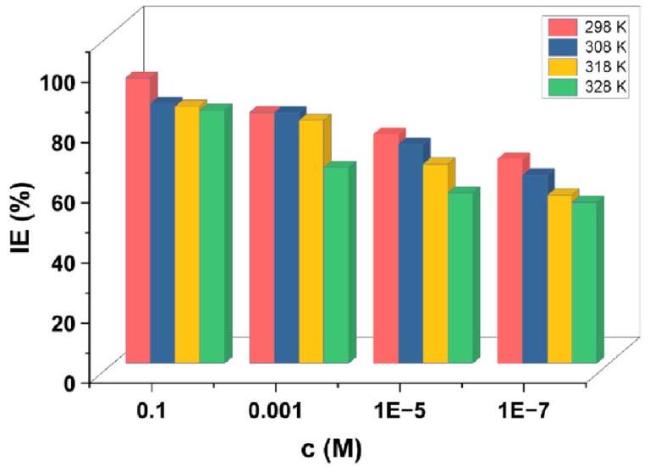
Fig. 2. Effect of NNDBA concentration on corrosion protection performance of mild steel at all studied temperatures. |
Kinetic Study
Kinetic studies of the corrosion process exhibit characteristics akin to diffusion, where elevated temperatures reduce the concentration of inhibitor molecules on the metal surface, while lower temperatures enhance the adsorption of inhibitor molecules. This underscores the significance of kinetic analysis in comprehensively understanding and optimizing the corrosion inhibition mechanism. In this kinetic study, various kinetic parameters were examined, including activation energy, rate constant, and half-life data for mild steel in 0.5H2SO4.
The weight loss of MS in 0.5H2SO4 at different time intervals was investigated and tabulated in Table 2.
The mitigation of MS corrosion in H2SO4 is mainly driven by the dissolution of metal ions, exhibiting a first-order dependence on the unreacted metal surface area. For the kinetic study, the first-order rate equation is expressed as follows [40]:
where ΔW is weight loss, k1 is the first-order rate constant, Iw represents the initial weight of the coupon before immersion, Fw denotes the final weight of the coupon after immersion, and t is the duration for which the metal was exposed to the solution.
Table 2 Time-dependent mass depletion data for mild steel corrosion in H2SO4 solution. |
| Time (hrs) | Initial weight Iw(g) | Final weight Fw(g) | Weight loss in H2SO4Δ W( g) | ln(ΔW/g) |
|---|---|---|---|---|
| 2 | 6.3940 | 6.3860 | 0.0080 | -4.83 |
| 4 | 7.1260 | 7.1030 | 0.0230 | -3.77 |
| 6 | 7.0490 | 7.0050 | 0.0440 | -3.12 |
| 8 | 6.8450 | 6.7640 | 0.0810 | - 2.51 |
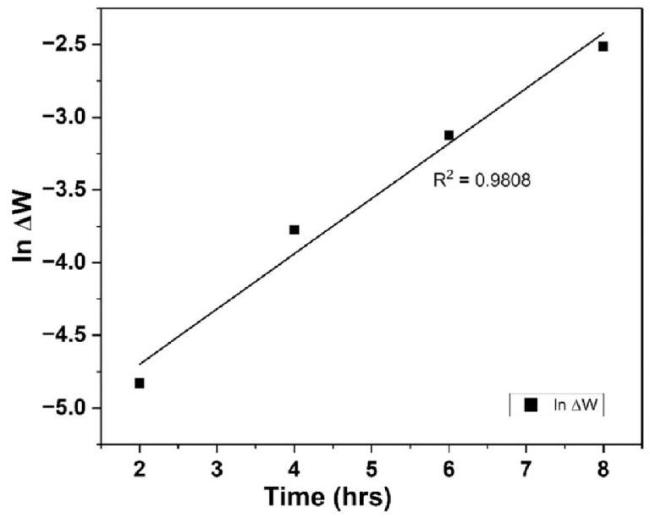
Fig. 3. Time-dependent corrosion behavior of mild steel in H2SO4. |
The first-order nature of MS corrosion in H2SO4 is confirmed by the ln (ΔW ) vs. time plot (Fig. 3), which supports the linearity of the data, with a correlation coefficient close to unity (R2=0.9808 ). Since MS follows first-order rate kinetics in 0.5H2SO4, the rate constant was calculated [41] using Eq. 5:
The half-life period (t1/2 ), defined as the time required for half of the reactant to deteriorate, is determined using Eq. 6.
The half-life is longer in the presence of an inhibitor, aligning with the findings of other researchers [42,43]. According to their studies, an effective inhibitor is one that extends the time required for the metal to convert into its corrosion products. Table 1 revealed that the rate constant declines with higher inhibitor concentrations but shows an increasing trend with temperature elevation. The elevated temperatures increase the kinetic energy of the inhibitor molecules adsorbed on the mild steel surface, thereby accelerating their desorption from the metal and promoting a faster corrosion rate and a higher rate constant [44].
Analogously, with an escalation in inhibitor concentration, a higher density of molecules becomes available for adsorption onto the mild steel substrate, thereby significantly suppressing the corrosion reaction and diminishing its rate constant. The half-life analysis further corroborates this observation [45].
Energy of Activation
The rates of MS corrosion were evaluated at various temperatures, both in absence and presence of different concentrations of NNDBA. These data were used to determine the activation energy (Ea ) for the metal dissolution process. The apparent activation energy of corrosion in the acidic medium was considered using the Arrhenius Equation, expressed as [46]:
Cr is the corrosion rate in mm/y, Ea is the activation energy kJ/mol, λ is the Arrhenius pre-exponential, R is the gas constant expressed in J/K/mol and T is the absolute temperature in K.
Ea and λ values were extrapolated from the gradient and intercept of the Arrhenius plots (Fig. 4), which delineate the correlation between logCr and 1/T. These computed values are systematically presented in Table 3. The analytical data illustrate that Ea associated with the corrosion of mild steel in 0.5MH2SO4 exhibits a substantial increase in the presence of the NNDBA inhibitor relative to the uninhibited acidic medium. This pronounced elevation in activation energy signifies that NNDBA efficiently adheres to the metallic substrate, engendering a protective stratification that functions as a formidable barrier to both charge and mass transfer processes. Consequently, the overall corrosion kinetics experience a substantial diminution.
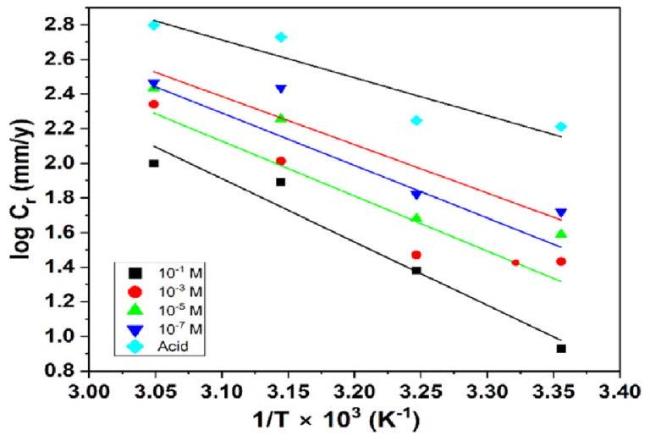
Fig. 4. Temperature dependence of corrosion rate: logCr vs. 1/T for mild steel in H2SO4 medium in the presence and absence of NNDBA. |
Table 3 Energy of activation (Ea ) for mild steel corrosion in H2SO4 medium in the presence and absence of NNDBA. |
| S. No. | Concentration (M) | Ea(kJ/mol) |
|---|---|---|
| 1 | 10-1 | 70.04 |
| 2 | 10-3 | 60.71 |
| 3 | 10-5 | 58.09 |
| 4 | 10-7 | 53.49 |
| 5 | Acid | 41.84 |
An increase in temperature leads to higher corrosion rates in both the presence and absence of the inhibitor. However, as the concentration of NNDBA increases, corrosion rates decrease. This is explained by the improved adsorption of the inhibitor on the MS surface at higher concentrations, which blocks corrosion-prone areas and increases the activation energy required for the corrosion process.
The augmented activation energy (Ea ) observed in the inhibitorcontaining medium, relative to the uninhibited solution, signifies that the inhibition mechanism involves physical adsorption. Activation energy (Ea ) values exceeding 80 kJ/mol generally suggest chemisorption, while those below this threshold point to physisorption. The observed Ea thus confirms the formation of a physically adsorbed protective film by the inhibitor on the mild steel surface [47]. The outcomes are shown in Table 3, where the Ea values remain below 80 kJ/mol, denoting a physisorption-dominated mechanism. Hence, empirical data substantiate that NNDBA undergoes physisorptive adherence to the mild steel substrate, effectively mitigating its corrosive degradation. Ea values exhibited a sequential augmentation, escalating from 41.84 kJ/mol in the uninhibited medium to 70.04 kJ/mol at the maximal inhibitor concentration (10-1M ) within the acidic environment. The discernible decline in inhibition efficacy with rising temperature in the presence of the inhibitor can be ascribed to the attenuation of physisorptive interactions under elevated thermal conditions [48].
Adsorption isotherm
Temperature exerts a profound influence on the kinetics of corrosion reactions. An elevation in temperature amplifies the corrosion rate due to enhanced ionic mobility, augmented diffusion coefficients, and the intensified activation of interfacial electrochemical reactions. Consequently, the efficacy of corrosion inhibitors is also temperature-contingent, as their adsorption dynamics and interactive affinity with the metallic substrate are inherently thermosensitive. A comprehensive evaluation of the most appropriate adsorption isotherm, alongside an analysis of the thermodynamic parameters governing the corrosion process, is imperative for elucidating the mechanistic pathways of inhibitor adsorption. These parameters serve to delineate the spontaneity of the inhibitory reaction, the energetics of the adsorption process, and the structural robustness of the protective inhibitor-derived film, thus offering critical insights into the stability and efficacy of the corrosion mitigation strategy.
Table 4 shows that the Langmuir Adsorption Isotherm follows as R2=0.9999, which presupposes that the adsorbed entities inhabit singular surface sites exclusively, devoid of any mutual interactions, for elucidating the adsorption behavior of the inhibitor on the metal surface.
Thermodynamic Parameters and their Implications
The Langmuir model was employed to calculate thermodynamic parameters, offering deeper insight into the nature of the adsorption process and its impact on corrosion inhibition. According to Equation 8, a plot of log(c/θ) versus log(c) yields a straight line, where the intercept corresponds to the adsorption equilibrium constant (Kads ) at different temperatures.
The Kads values (as presented in Table 5) exhibited a declining trend with increasing temperature, signifying robust adsorption of the NNDBA onto the MS interface at lower thermal conditions. However, as the temperature escalates, the adsorbed NNDBA molecules demonstrate a propensity to disengage from the MS surface, indicating a reduction in adsorption stability at elevated temperatures [50].
Gibb's free energy of adsorption ($\mathrm{\Delta }{G}_{\text{ads}\text{ }}^{\circ }$ ) value at temperature range 298 K-328 K was determined according to Eq. 14.
R is the gas constant (8.314 J/mol ), T is the temperature (K ), and 55.5 is the standard molar concentration of water in the solution [51].
Broadly, four distinct modalities of adsorptive interactions may transpire at the metal-inhibitor interface [52]:
▪ Electrostatic attraction arises between the charged metallic substrate and ionized inhibitor molecules. ▪ Coordination via lone electron pairs residing on heteroatoms within the inhibitor molecule, facilitating interaction with the metal. ▪ π-electron delocalization, wherein the π electron cloud of the inhibitor engages with the metallic surface. ▪ A synergistic amalgamation of two or more of the aforementioned mechanisms.
The initial scenario typifies the physisorption mechanism, whereas the subsequent two correspond to chemisorption. The final case embodies a hybridized adsorption process, encompassing both physical and chemical adsorption phenomena. Thus, the type of adsorption can be decided by thermodynamic parameters.
The variation in Gibb's free energy of adsorption ( $\mathrm{\Delta }{G}_{\text{ads}\text{ }}^{\circ }$ ), assessed across multiple thermal conditions, is delineated in Table 5. The thermodynamic parameter $\mathrm{\Delta }{G}_{ads}^{\circ }$ with magnitudes equal to or below -20 kJ/mol signifies electrostatic interactions, indicative of physisorption, whereas values exceeding -40 kJ/mol denote the establishment of coordinate covalent bonding, characteristic of chemisorption [53]. The entirety of the obtained $\mathrm{\Delta }{G}_{\text{ads}\text{ }}^{\circ }$ values were negative and remained below 20 kJ/mol, signifying the thermodynamic viability and spontaneity of NNDBA adsorption onto the mild steel substrate, predominantly governed by a physisorption mechanism.
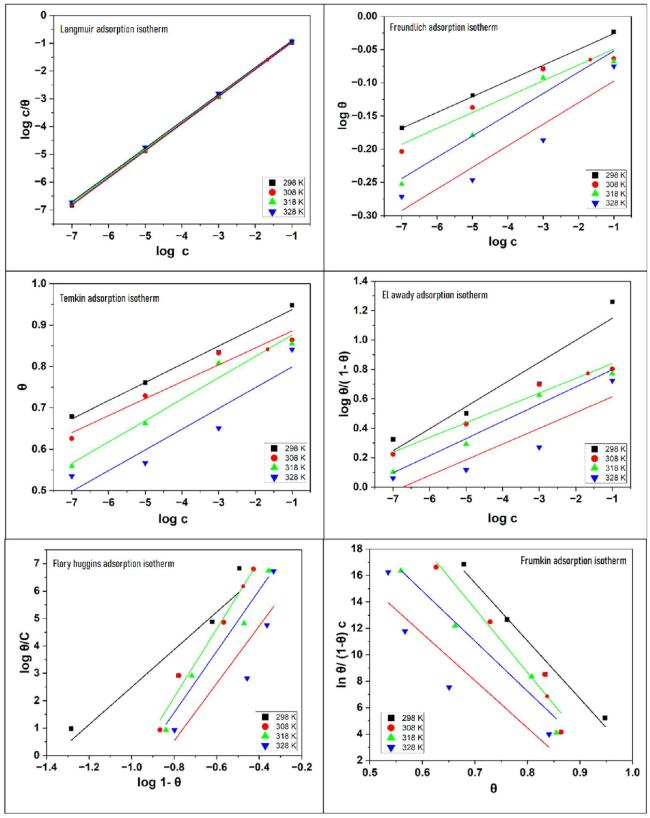
Fig. 5. Different adsorption isotherms for mild steel in H2SO4 medium in the presence and absence of NNDBA (a) Langmuir, (b) Freundlich, (c) Temkin, (d) ElAwady, (e) Flory-Huggins, and (f) Frumkin adsorption isotherm. |
The standard Gibb's free energy, enthalpy and entropy are related as [54]:
By using the Van't Hoff equation, the enthalpy of adsorption ( $\mathrm{\Delta }{H}_{\text{ads}\text{ }}^{\circ }$ ) was determined as follows [55]:
The graphical representation in Fig. 6, depicting the correlation between 1/T and logKads , exhibits a linear trend, wherein the gradient corresponds to the enthalpy of adsorption ($\mathrm{\Delta }{H}_{\text{ads}\text{ }}^{\circ }$ ) value. In the present study, $\mathrm{\Delta }{H}_{\text{ads}\text{ }}^{\circ }$ was determined to be -3.4 kJ/mol, indicative of an exothermic process wherein thermal energy is dissipated as inhibitor molecules affix themselves onto the metallic substrate. This thermodynamic parameter substantiates the spontaneity and favorable nature of the adsorption phenomenon. The enthalpy value, being below 10 kJ/mol, further corroborates the predominance of physisorption as the governing adsorption mechanism for NNDBA on the mild steel interface [56]. Physisorption is characterized by the involvement of weak van der Waals interactions or electrostatic attractions between the inhibitor molecules and the metal surface, rendering the process reversible and susceptible to thermal perturbations. As the system's temperature elevates, the weakly adsorbed inhibitor species exhibit an enhanced propensity for desorption, thereby attenuating the overall inhibition efficacy [57].
Table 4 Analysis of adsorption behavior using different isotherm models. |
| Isotherm | Isotherm Equations | Temp. (K) | Equation | R2 |
|---|---|---|---|---|
| Langmuir | | 298 | y=0.9763x+0.0023 | 1 |
| 308 | y=0.9761x+0.0253 | 1 | ||
| 318 | y=0.9680x+0.0200 | 1 | ||
| 328 | y=0.9675x+0.0651 | 0.9999 | ||
| Freundlich | | 298 | y=0.0237x-0.0023 | 0.9963 |
| 308 | y=0.0239x-0.0253 | 0.9430 | ||
| 318 | y=0.0320x-0.0200 | 0.9588 | ||
| 328 | y=0.0325x-0.0651 | 0.9188 | ||
| Temkin | | 298 | y=4.4x+98.15 | 0.9903 |
| 308 | y=4.09x+92.66 | 0.9552 | ||
| 318 | y=5.17x+92.78 | 0.9676 | ||
| 328 | y=5.01x+84.89 | 0.8871 | ||
| Flory-Huggins | | 298 | y=6.8517x+9.3482 | 0.8874 |
| 308 | y=12.501x+12.123 | 0.9779 | ||
| 318 | y=11.166x+10.501 | 0.9769 | ||
| 328 | y=10.479x+8.9185 | 0.8040 | ||
| El-Awady | | 298 | y=0.1502x+1.2984 | 0.9413 |
| 308 | y=0.1003x+0.9398 | 0.9753 | ||
| 318 | y=0.1168x+0.9144 | 0.9790 | ||
| 328 | y=0.1071x+0.7213 | 0.8473 | ||
| Frumkin | | 298 | y=-43.807x+46.103 | 0.9771 |
| 308 | y=-48.207x+47.232 | 0.9480 | ||
| 318 | y=-37.939x+37.595 | 0.9610 | ||
| 328 | y=-35.748x+33.068 | 0.8531 |
Table 5 Thermodynamic insights from the Langmuir adsorption isotherm at all studied temperatures. |
| Temp (K) | Kads(M-1) | | | |
|---|---|---|---|---|
| 298 | 0.995 | -9.9 | -3.4 | 21.95 |
| 308 | 0.943 | -10.1 | 21.88 | |
| 318 | 0.955 | -10.5 | 22.33 | |
| 328 | 0.861 | -10.6 | 21.79 |
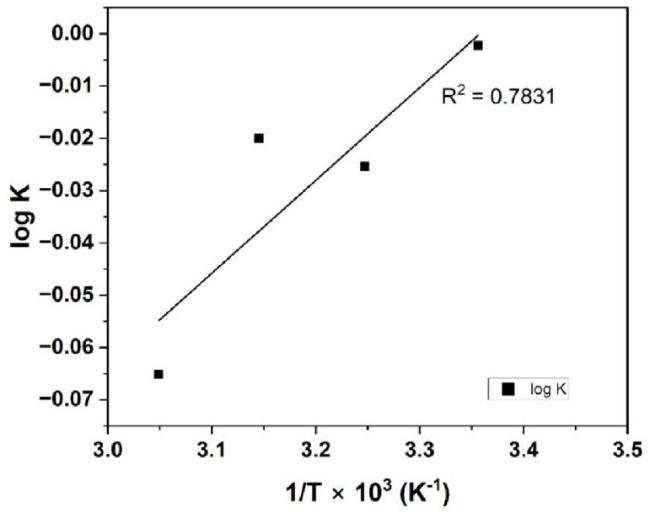
Fig. 6. Temperature dependence of adsorption equilibrium constant: logKadsvs.1/T. |
The entropy of adsorption ($\mathrm{\Delta }{S}_{\text{ads}\text{ }}^{\circ }$ ), as ascertained through Eq. 15, is quantified at 21.99 J/K/mol. This parameter elucidates that the adherence of inhibitor molecules onto the metallic substrate engenders an augmentation in disorder or molecular randomness, signifying that the resultant adsorbed layer exhibits a diminished degree of structural organization relative to the uninhibited inhibitor species dispersed in solution. Such an entropy-driven phenomenon is generally perceived as thermodynamically advantageous in the realm of corrosion mitigation, as it implies the spontaneous and facile establishment of a protective molecular barrier over the metal surface, thereby enhancing the inhibitor's efficacy in curtailing corrosive degradation [58].
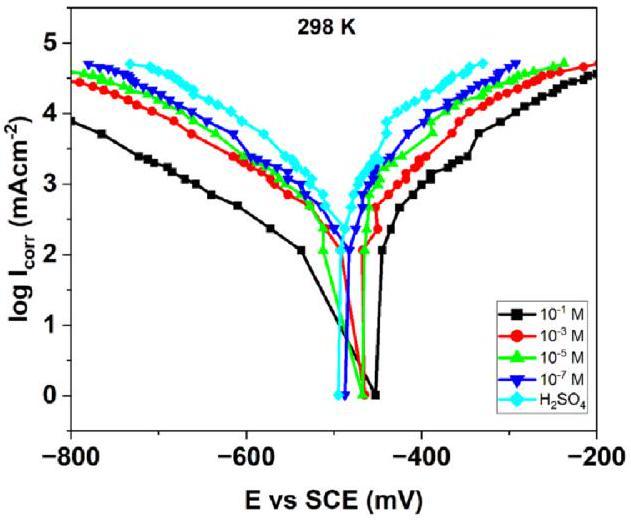
Fig. 7. Cathodic and anodic polarization run via PDP studies for various concentrations of H2SO4 in the presence and absence of NNDBA at 298 K. |
Potentiodynamic polarization studies (PDP)
Potentiodynamic polarization studies were conducted with NNDBA concentrations of 10-1M,10-3M,10-5M, and 10-7M at 298 K. Potential values were plotted against the logarithm of current (Icorr ). Before each cathodic and anodic polarization run, the open circuit potential (OCP) was measured against the saturated calomel electrode. Key electrochemical parameters, including corrosion potential (Ecorr ), corrosion current (Icorr ), cathodic slopes (bc ), and anodic slopes (ba ) were determined by the Tafel plots for various inhibitor concentrations, with acid plots overlaid at 298 K (shown in Fig. 7) and data summarized in Table 6. IE and θ of NNDBA were figure out by using Eqs. 17,18:
Table 6 Corrosion current and inhibition efficiency for mild steel in H2SO4 medium in the presence and absence of NNDBA determined via PDP studies at 298 K. |
| Concentration (M) | - Ecorr (mV) | βc (mV/dec) | βa (mV/dec) | Icorr (mA/cm2 ) | IE (%) | θ |
|---|---|---|---|---|---|---|
| 10-1 | 500.0 | 172.8 | 100.0 | 0.0692 | 94.2 | 0.942 |
| 10-3 | 476.9 | 138.5 | 76.9 | 0.1514 | 87.4 | 0.874 |
| 10-5 | 492.3 | 138.5 | 100.0 | 0.2818 | 76.5 | 0.765 |
| 10-7 | 493.1 | 117.3 | 78.8 | 0.3311 | 72.5 | 0.725 |
| Acid | 465.8 | 106.7 | 120.0 | 1.2021 | - |
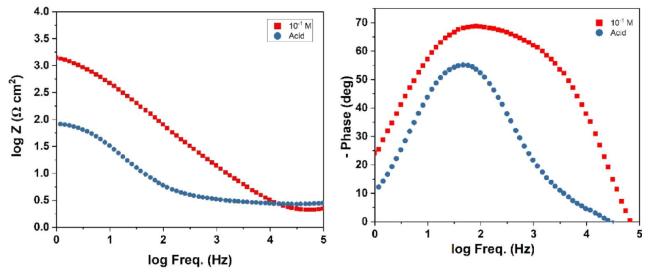
Fig. 8. Bode plot of mild steel in H2SO4 and in 10-1M NNDBA at 298 K. |
IH2SO4 and INNDBA are corrosion currents in acid and inhibitor-acid solution respectively.
The potentiodynamic polarization plots (Fig. 7) in this study demonstrate that NNDBA molecules act as effective corrosion inhibitors, significantly influencing corrosion kinetics parameters. Table 6 indicates a significant reduction in Icorr values for the corrosive solution containing inhibitor molecules compared to the uninhibited solution. This effect becomes more pronounced with increasing inhibitor concentration. The data further revealed that the introduction of NNDBA inhibitors into H2SO4 solution leads to a substantial decrease in Icorr values, underscoring the impact of the inhibitor in minimizing corrosion [59].
The addition of NNDBA molecules induced a noticeable shift in both cathodic and anodic polarization plots. The analysis of shifts in the obtained corrosion potential (Ecorr ) offered valuable insights into the anodic or cathodic characteristics of the electrochemical processes involved. This assessment enabled the classification of inhibitor molecules as anodic, cathodic, or mixed-type, based on their influence on Ecorr . Typically, an inhibitor is designated as anodic or cathodic when the displacement in Ecorr between the inhibited and uninhibited systems exceeds 85 mV [60].
The highest shift in Ecorr is found to be 34.2 mV, which categorized NNDBA a mixed type inhibitor. Furthermore, the presence of NNDBA leads to a greater increase in the cathodic slope compared to the anodic slope, suggesting that NNDBA more effectively suppresses hydrogen evolution than anodic dissolution. This indicates that, while NNDBA functions as a mixed-type inhibitor, it exhibits a slightly stronger cathodic inhibition effect [61]. The irregular variations in βc and βa values imply the possible involvement of additional species in the adsorption process.
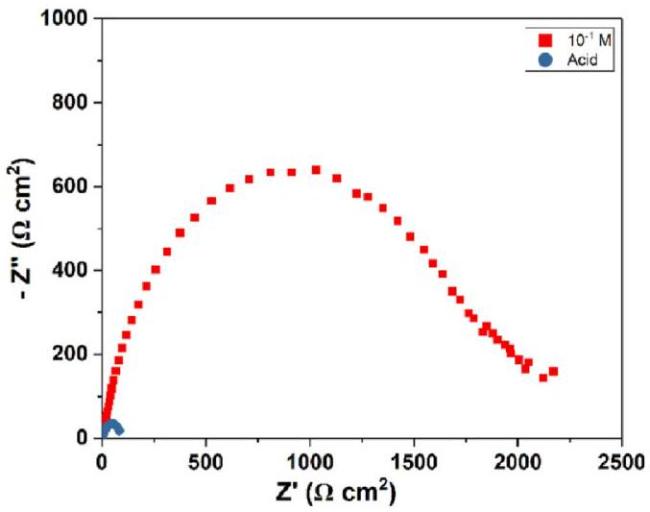
Fig. 9. Nyquist plot of mild steel in H2SO4 and in 10-1 M NNDBA at 298 K. |
At a concentration of 10-1M, the inhibition efficiency was recorded at 92.4%, whereas at the lowest concentration (10-7M ) of NNDBA at 298 K, it was 72.5%. This indicates that NNDBA effectively mitigates corrosion even at low concentration as well. Furthermore, the results are consistent with the gravimetric data.
Electrochemical impedance spectroscopy (EIS)
Electrochemical Impedance Spectroscopy (EIS) was conducted to evaluate the corrosion inhibition efficacy of NNDBA in H2SO4 medium on MS. The resulting Nyquist and Bode plots, depicted in Figs. 8 and 9, respectively, illustrate the impedance response of the system. Spectral acquisition was performed at an NNDBA concentration of 10-1M in H2SO4 at a controlled temperature of 298 K. Additionally, Fig. 10 presents the equivalent electrochemical circuit model, which elucidates the inhibition mechanism of NNDBA.
A Constant Phase Element (CPE) is used in EIS modeling to represent non-ideal capacitive behaviour of the double layer at the electrode-electrolyte interface. Instead of acting like a perfect capacitor, most real systems exhibit a distribution of time constants due to surface roughness, inhomogeneity, or porous films. The impedance of a CPE is given by ZCPE as per Eq. 19:
Where, Yo is CPE constant (in μS⋅sn⋅cm-2 ), ω is angular frequency n : exponent (0≤n≤1 ), describing how far the system deviates from ideal capacitive behavior.
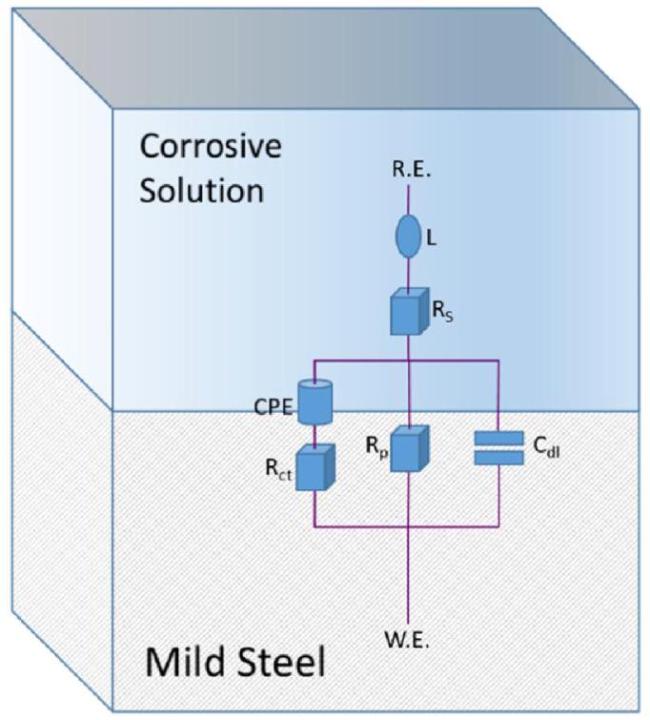
Fig. 10. Equivalent Circuit. |
The impedance parameters namely, double-layer capacitance (Cd1 ), charge transfer resistance (Rct ), and inhibition efficiency (IE) were calculated using the following equations [62]:
f represents the frequency at which the semicircle reaches its maximum height along the imaginary axis, and Rct is determined from the diameter of the semicircle. IE % was evaluated using the equation [63]:
where Rct,NNDBA and Rct,H2SO4 correspond to the charge transfer resistance in the presence and absence of NNDBA, respectively.
The Nyquist plot (Fig. 9) exhibits a characteristic semi-circular arc, with its diameter serving as a direct measure of the corrosion inhibition effect exerted by NNDBA. A larger semicircle diameter in the presence of NNDBA, as compared to the system containing only acid, indicates a surge in Rct and a concomitant diminution in Cdl [64]. This enhancement in Rct signifies the protective film of NNDBA on the mild steel surface, effectively mitigating acid-induced degradation [65]. The diminution in Cdl further substantiates that the adsorption of NNDBA at the metal-solution interface mitigates the deleterious effects exerted by corrosive ions [66]. Moreover, the perturbations in phase angles, discernible in the Bode plots (Fig. 8), furnish corroborative validation of NNDBA adsorption onto the mild steel substrate [67].
The equivalent circuit, shown in Fig. 10, comprises the Rct in series with a Constant Phase Element (CPE), Q, which is substituted for Cdl and placed in parallel with the polarization resistance (Rp ). This electrical circuit topology, substantiated by an exceptionally reduced fitting error of χ2=1.527×10⁻³, encapsulates the intrinsic surface heterogeneity of the mild steel specimens and delineates deviations from quintessential capacitive behaviour [68,69].
The use of CPE instead of Cdl ensures a more accurate representation of real electrochemical systems, minimizing frequency-dependent deviations. Lower CPE for NNDBA indicates more compact and less reactive surface, suggesting strong adsorption of the inhibitor and fewer electroactive sites. The observed reduction in Cdl upon NNDBA addition indicates an increase in double-layer thickness and a consequent reduction in surface activity [70]. The observed increase in the Cdl value for the inhibitor suggests thick, compact inhibitor film reducing charge accumulation. This might appear counterintuitive at first because NNDBA has a slightly higher Cdl, yet it's a better inhibitor. This anomaly could be attributed to the complexity of adsorption layer, which might include contributions from both capacitive and resistive pathways. However, this increase is relatively small and the dominating influence is the drastic rise in Rct, suggesting that the inhibitor still forms a protective barrier. A pronounced augmentation in Rp further signifies that the inhibitor mitigates corrosion either by impeding the anodic dissolution kinetics or by orchestrating the formation of a robustly adsorbed protective layer on the mild steel interface. The lower value of n for NNDBA shows greater heterogeneity due to inhibitor film formation. This heterogeneity is beneficial in this context, as it reflects an irregular but protective barrier that impedes corrosion processes. The elevated IE provides compelling substantiation for this inference (Table 7).
Furthermore, the circuit model incorporates an inductive element (L), likely indicative of relaxation processes associated with the stabilization of the adsorbed layer. Such phenomena may originate from the intricate interplay between inhibitor molecules and transient corrosion intermediates residing on the electrode interface. The presence of inductance could thus reflect complex adsorption phenomena involving NNDBA and reaction by-products, further contributing to the overall corrosion inhibition mechanism [71].
Scanning electron microscopy (SEM)
To elucidate topographical intricacies of MS coupon alone, in acid and in inhibitor solution at 298 K, SEM analysis was meticulously conducted.
Conversely, Fig. 11 (b) delineates the morphological characteristics of the mild steel surface subjected to 10-1 M NNDBA, while Fig. 11 (c) portrays the steel exposed to 10-7M NNDBA at 3000 magnifications, respectively. The SEM micrographs of the inhibitor-treated specimen exhibit a notable absence of corrosion artifacts, highlighting the potent protective efficacy of NNDBA. The inhibitor molecules facilitate the formation of a robust passivation layer, effectively shielding the metallic substrate from the aggressive acidic environment. Remarkably, even at an ultra-low concentration of 10-7M, NNDBA exhibits significant adsorption, as evidenced by modifications in interfacial electrochemical interactions. These findings underscore NNDBA's strong adsorption capability and its role in mitigating corrosive degradation through interfacial modifications [73].
Table 7 Electrochemical Impedance parameters for mild steel in H2SO4 medium in the presence and absence of NNDBA at 298 K. |
| Compound | Rs (Ω/cm2 ) | Rp(Ω/cm2) | Rct (Ω/cm2 ) | fmax (Hz) | CPE (μS.sncm- 2 ) | n | Cdl(μF/cm2) | IE (%) |
|---|---|---|---|---|---|---|---|---|
| NNDBA | 2.218 | 2171 | 2168.78 | 1.74 | 74.92 | 0.7321 | 421.96 | 96.32 |
| 24HSO | 2.809 | 82.43 | 79.621 | 5.49 | 172.5 | 0.9515 | 364.28 | - |
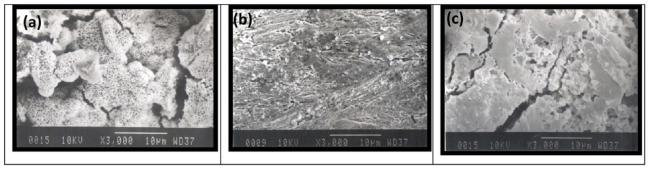
Fig. 11. Scanning electron micrograph of mild steel in (a) 0.5H2SO4 (b) 10-1 M NNDBA in H2SO4 (c) 10-7 M NNDBA in H2SO4 at 3000 magnifications. |
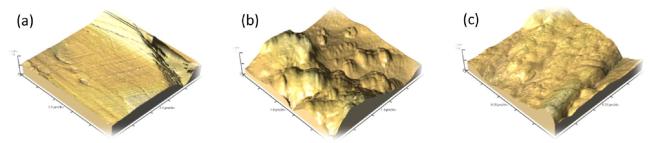
Fig. 12. AFM of (a) plain mild steel specimen, (b) mild steel specimen in the 0.5H2SO4 solution (c) mild steel specimen in presence of 10-1MNNDBAin H2SO4. |
Atomic force microscopy (AFM)
Atomic Force Microscopy (AFM) was employed to analyze the surface topography of mild steel after six hours of immersion in 0.5 M H2SO4, both in the presence and absence of NNDBA, under ambient conditions, as SEM micrographs do not offer quantitative information on surface roughness.
Fig. 12 (a-c) presents the 3D images of MS under different conditions, providing insights into the topographical changes resulting from corrosion and inhibitor adsorption. Fig. 12(a) represents the plain, uncorroded MS surface, which appears relatively smooth. In contrast, Fig. 12(b) shows the MS surface after exposure to the blank acidic solution, where the average surface roughness increases significantly to 176.5 nm. This high roughness value indicates severe corrosion damage, characterized by an uneven and bumpy structure with noticeable pits and irregularities caused by the aggressive attack of sulfuric acid [74]. Conversely, in the presence of NNDBA, Fig. 12(c), the AFM image reveals a significantly smoother surface. The reduction in peak and valley heights to approximately 13.6 nm suggests a substantial decrease in surface roughness [75]. The smoother surface observed in the AFM analysis confirms the effectiveness of NNDBA in mitigating corrosion by forming a uniform protective film, thereby reducing surface deterioration. These findings support the role of NNDBA as an effective corrosion inhibitor for mild steel in 0.5MH2SO4 and are consistent with results obtained from other experimental techniques, further reinforcing its protective capabilities.
Quantum chemical studies
Quantum chemical computations enable a profound elucidation of the donor-acceptor dynamics between the frontier molecular orbitals (FMOs) of the inhibitor and the MS surface. This theoretical framework delves into the electronic structural paradigm within the HOMO-LUMO frontier orbital construct, meticulously analyzing the spatial electron density topology, Mulliken charge dispersions, and an array of quantum-mechanical descriptors pivotal for deciphering the mechanistic intricacies of corrosion inhibition.
Relation between inhibition efficiency and FMO energies
An in-depth analysis of HOMO identifies molecular regions with the highest electron-donating propensity toward electrophiles, corresponding to ionization potential (IP), while LUMO highlights areas with maximal electron-accepting capacity from nucleophiles, linked to electron affinity (EA). A highly negative EHOMO (-4.419eV) indicates weakened donor ability, favoring physisorption on the metal surface [76] i.e., reflects the tendency of the NNDBA molecules to donate electrons to vacant 3d-orbital of Fe. This result is in corroboration with experimental kinetic and thermodynamic parameters: Ea and $\mathrm{\Delta }{G}_{ads}^{\circ },\mathrm{\Delta }{H}_{ads}^{\circ },\mathrm{\Delta }{S}_{ads}^{\circ }$ .
Diminished ELUMO (0.821eV) values signify an increased propensity of the molecule to function as an electron acceptor from metal surface thereby facilitating electrophilic interactions [77]. The low ΔE value (5.24 eV) signifies the enhanced stability of the metal-inhibitor complex on the MS surface, thereby augmenting the corrosion inhibition efficiency of NNDBA [78]. A reduced energy gap (ΔE ) enhances inhibition efficiency by lowering the excitation energy needed for electron abstraction from the highest occupied orbital; such species are more polarizable and exhibit heightened chemical reactivity [79].(Fig. 13)
When a molecule gets protonated, a molecule loses a unit of negative charge, making its conjugate acid electron-deficient. This electronic change results in a higher energy gap (ΔE ) in protonated NNDBA, which is a reflection of increased molecular stability. This stability supports the formation of a strong and persistent adsorptive film over the metal substrate. In addition, the presence of a positive charge at the nitrogen atom increases the electrostatic attraction of the molecule with the negatively charged mild steel surface and thus makes adsorption stronger [80]. Importantly, the high EHOMO value for the protonated species (Fig. 14) indicates an increased tendency to donate electrons, which increases the inhibitor-metal interaction. In addition, the decreased ELUMO in the protonated species increases its electron acceptance capability, promoting back-donation from the metal and hence encouraging more stable and long-lasting surface interactions [81].
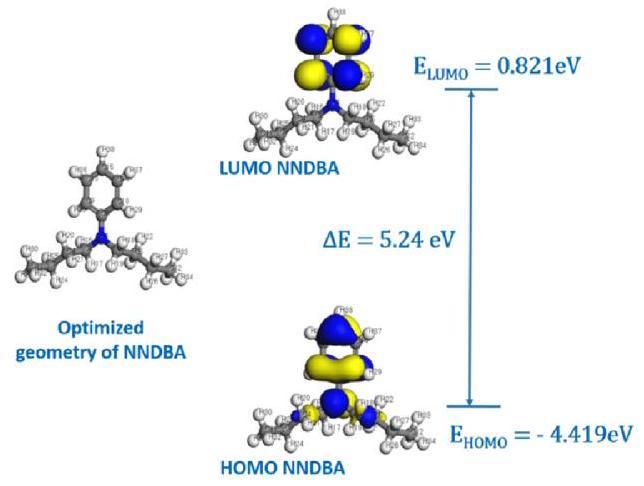
Fig. 13. Optimized geometry of NNDBA with HOMO and LUMO distributions and their corresponding energy levels. |
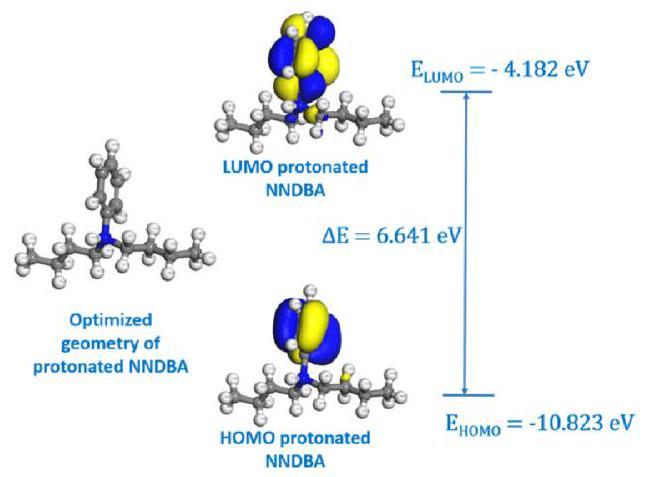
Fig. 14. Optimized geometry of protonated NNDBA with HOMO and LUMO distributions and their corresponding energy levels. |
Relation between electronic parameters and type of adsorption
Chemical hardness (ηinhibitor ) quantifies an atom, ion, or molecule's resistance to minor perturbations in chemical reactions, preserving its electronic structure with minimal polarization which is formulated [82] as:
I= Ionization Energy =-EHOMO =4.419eV
A= Electron Affinity =-ELUMO =-0.821eV
A lower hardness value (eV) denotes higher reactivity and lower stability.
NNDBA, exhibiting moderate hardness (2.62 eV) predominantly adsorbs onto mild steel via physisorption, forming a protective barrier that impedes aggressive species (H+,SO4 2- ) from surface interaction. This aligns with corroborative analytical techniques [83].
Relation between ΔN and inhibition mechanism
ΔN denotes the fractional electron transfer from a donor to the acceptor's vacant orbitals, quantifying electronic delocalization in do-nor-acceptor interactions, and is mathematically expressed as:
It's crucial to highlight that the electronegativity of iron (χFe ) is considered to be 4.82 eV and the theoretical value of hardness of metal surface is taken as zero (ηFe=0eV ), while the electronegativity of the inhibitor is calculated by:
Thus, χNNDBA from Eq. 24 is 1.799 eV and ηNNDBA from Eq. 22 is 2.62 eV [84]. ΔN elucidates the vectorial nature of electron transfer between interacting systems; when the inhibitor (χNNDBA =1.799eV ) and iron (χFe=4.82eV ) are brought into contact, electrons migrate from the species with lower electronegativity to that with higher electronegativity until thermodynamic equilibrium of chemical potentials is established. A positive ΔN reflects electron donation from the inhibitor to the metal surface, whereas a negative ΔN signifies a reverse electron flow from the metal to the inhibitor. The computed electron transfer fraction (ΔN=0.577 ) aligns with Lukovit's criterion, remaining below 3.6 and positive, signifying that inhibition efficiency escalates with NNDBA's electron-donating propensity toward the mild steel (MS) surface. The positive ΔN values substantiate electron migration from neutral inhibitors to Fe, reinforcing the adsorption mechanism [85].
Relation between dipole moment & efficacy of NNDBA
NNDBA exhibits a dipole moment of 1.92 Debye exceeding that of water (1.88 Debye), implying potent dipole-dipole interactions with the metal surface. This suggests NNDBA possesses a superior adsorption affinity for mild steel, effectively displacing pre-adsorbed water molecules [86].
Condensed fukui function
The Fukui function provides insight into site-specific reactivity indices within a molecular framework, wherein the local reactivity of the selected inhibitors is ascertained via Fukui indices computed from Mulliken charge distributions of their anionic and cationic states.
The Fukui parameters (Eqs. 25-27) discern electrophilic and nucleophilic centers within a molecule through the application of Yao's dual descriptor:
f(k)+=[qk(N+1)-qk(N)] for nucleophilic attack
f(k)-=[qk(N)-qk(N+1)] for electrophilic attack
Upon electron acceptance by a molecule, the atomic charges are represented as qk(N+1), whereas qk(N) corresponds to the charge distribution in its neutral state, and qk(N-1) reflects the atomic charges following electron loss. The Fukui functions f(k)+and f(k)- characterize the nucleophilic and electrophilic tendencies at a given site, respectively, while Δfk denotes the second-order Fukui function, capturing the differential reactivity between these two modes [87].
In general, the greatest f(k)-signifies the site for electrophilic assault whereas the highest f(k)+indicates the site for nucleophilic attack. The positive Fukui function at a particular site in a molecule indicates where the molecule is likely to experience an increase in electron density, which can be related to areas of high reactivity. In corrosion, this means that the molecule is more susceptible to undergoing reduction reactions, which is common in corrosion processes. If a molecule with high Fukui positive values is used as a corrosion inhibitor, it will be more effective in protecting the metal surface by interacting with electron rich sites.
As observed from Table 8, the phenyl carbons C9 and C10, along with hydrogens H28,H29,H36, and H 37, exhibit the highest f(k)+ values, marking them as prominent nucleophilic centers. Simultaneously, atoms N1, C9, and C10 also show elevated f(k)-values, indicating strong electrophilic behavior. A high Fukui negative index highlights region more prone to electron loss and potential oxidation. The dual role of C and H atoms in NNDBA as both electron donors and acceptors promotes strong interaction with the metal surface, aiding in corrosion inhibition. Notably, the convergence of nucleophilic and electrophilic activity at C9 and C10 points to their exceptional reactivity, making them key sites in the molecule's protective action against acid-induced corrosion of mild steel [88].
Table 8 Fukui functions (f*,f, and f2 ) for atoms of NNDBA. |
| Atom | f+ | f | f2 |
|---|---|---|---|
| N1 | -0.001 | 0.15 | -0.151 |
| C2 | -0.02 | -0.047 | 0.027 |
| C3 | -0.027 | -0.041 | 0.014 |
| C4 | -0.022 | -0.005 | -0.017 |
| C5 | -0.028 | 0 | -0.028 |
| C6 | -0.006 | 0.021 | -0.027 |
| C7 | -0.025 | 0.005 | -0.03 |
| C8 | -0.024 | 0.005 | -0.029 |
| C9 | 0.096 | 0.047 | 0.049 |
| C10 | 0.098 | 0.047 | 0.051 |
| C11 | -0.01 | -0.006 | -0.004 |
| C12 | -0.008 | -0.008 | 0 |
| C13 | 0.062 | 0.053 | 0.009 |
| C14 | 0.068 | 0.045 | 0.023 |
| C15 | -0.006 | 0.061 | -0.067 |
| H16 | 0.022 | 0.038 | -0.016 |
| H17 | 0.035 | 0.058 | -0.023 |
| H18 | 0.017 | 0.041 | -0.024 |
| H19 | 0.042 | 0.051 | -0.009 |
| H20 | 0.02 | -0.012 | 0.032 |
| H21 | 0.026 | 0.029 | -0.003 |
| H22 | 0.023 | -0.015 | 0.038 |
| H23 | 0.031 | 0.023 | 0.008 |
| H24 | 0.023 | 0.022 | 0.001 |
| H25 | 0.017 | 0.005 | 0.012 |
| H26 | 0.019 | 0.026 | -0.007 |
| H27 | 0.018 | 0.003 | 0.015 |
| H28 | 0.109 | 0.032 | 0.077 |
| H29 | 0.104 | 0.037 | 0.067 |
| H30 | 0.001 | 0.011 | -0.01 |
| H31 | 0.02 | 0.034 | -0.014 |
| H32 | 0.016 | 0.015 | 0.001 |
| H33 | -0.003 | 0.016 | -0.019 |
| H34 | 0.021 | 0.034 | -0.013 |
| H35 | 0.017 | 0.014 | 0.003 |
| H36 | 0.094 | 0.066 | 0.028 |
| H37 | 0.096 | 0.064 | 0.032 |
| H38 | 0.084 | 0.08 | 0.004 |
The dual descriptor (Δfk ) offers a refined perspective on atomic reactivity, where a positive value (Δfk>0 ) indicates dominance of nucleophilic attack, and a negative value (Δfk<0 ) reflects a preference for electrophilic interaction. As illustrated in Figure..., analysis of second-order Fukui function values for NNDBA reveals that 52.64% of its atoms exhibit nucleophilic character (Δfk>0 ), while 47.37% display electrophilic behavior (Δfk<0 ). This slight predominance of nucleophilic sites suggests that NNDBA has a marginally nucleophilic nature, enhancing its ability to effectively inhibit corrosion on the mild steel surface [89].
Molecular dynamics simulation
Molecular dynamics (MD) simulation, rooted in Monte Carlo methods, is an advanced computational approach used to investigate the molecular-level behavior of corrosion inhibitors. It enables the evaluation of adsorption energies and elucidates the inhibition mechanism on metal surfaces. MD simulations offer insights into the spatial orientation and interaction of inhibitor molecules with mild steel in acidic media [90]. At standard temperature and pressure, iron crystallizes in a body-centered cubic (bcc) structure, exhibiting facets such as (110), (100), (211), (311), (111), (321), and (210). Among these, the Fe (110) surface is the most thermodynamically stable, possessing the lowest surface energy and covering the largest area of the crystal. Hence, Fe(110) was selected as the representative adsorption site for inhibitor simulations in corrosive environments [91] (Fig. 15).
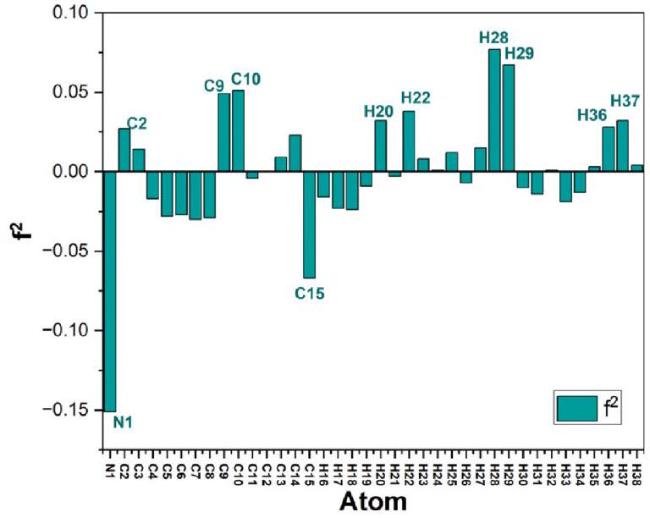
Fig. 15. Bar graph representing the Fukui functions (f*,f, and f2 ) for individual atoms of NNDBA. |
Fig. 16 shows side and top views of the stable configurations of the inhibitor adsorbed on the mild steel surface in sulfuric acid, based on MD simulation. The NNDBA molecule strongly adheres to the Fe(110) surface. From the side view, the molecule lies nearly parallel to the surface, allowing full surface coverage. Adsorption occurs mainly through atoms N(1), planar phenylic carbons C(9),C(10), hydrogens H (28), H(29), and the alkyl chain hydrogens H(36),H(37), aligning well with Fukui function analysis. This enables the inhibitor to effectively block active sites and protect the metal surface.
The interaction between the inhibitor and the Fe(110) surface is represented by the interaction energy (Einteraction ), calculated as:
Etotal represents the total energy of the complete system, while Esurface + water + sulphuric acid corresponds to the energy of the Fe(110) surface in combination with water and sulfuric acid, and Einhibitor denotes the isolated energy of the inhibitor molecule. The binding energy (Ebinding ) is defined as the negative of the interaction energy (Einteraction ), establishing the relation:
A higher magnitude of binding energy, such as 123.11kcal/mol, implies a stronger affinity of the inhibitor towards the mild steel substrate, indicating robust adsorption. The negative sign of the binding energy further confirms the thermodynamic favorability of the interaction, validating the spontaneous nature of inhibitor adsorption on the Fe (110) surface. This computational insight is consistent with the experimental findings [92].(Table 9)
Table 9 Outputs calculated by the Monte Carlo simulation for adsorption of NNDBA, on Fe (110). |
| Parameter | Value (kJ/mol) |
|---|---|
| Interaction energy | -123.11 |
| Binding energy | 123.11 |
For a better assessment of NNDBA's inhibition performance, a comparison with structurally similar inhibitors has been presented. Table 10 outlines essential details such as the metal type, corrosive environment, inhibitor concentration, and recorded inhibition efficiencies from previous studies.
Proposed mechanism
The inhibitory mechanism of NNDBA on MS in 0.5MH2SO4 is elucidated through a confluence of experimental observations and theoretical computations. NNDBA mitigates corrosion through a triad of synergistic pathways:
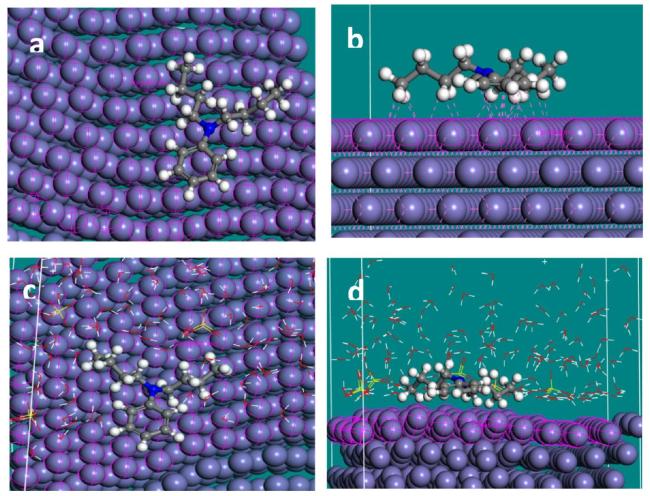
Fig. 16. MD simulation captures in (a) top view of adsorbed NNDBA molecule on mild steel surface (b) front view of interactions between NNDBA and mild steel (c) top view of adsorbed NNDBA molecule on mild steel in presence of H2O and H2SO4 (d) top view of adsorbed NNDBA molecule on mild steel in presence of H2O and H2SO4. |
1. The molecular architecture of NNDBA incorporates nitrogen heteroatoms endowed with lone pairs, while the electron-donating butyl substituents augment the electron density on both the nitrogen center and the adjacent phenylic carbon. This electronic enrichment promotes robust interactions between the lone pairs on nitrogen and the delocalized π-electrons of the aromatic moieties with the vacant d-orbitals of surface iron atoms [102].
Table 10 Comparative Overview of NNDBA and Structurally Related Corrosion Inhibitors. |
| Inhibitor | IE (%) | Metal | Media | Adsorption Isotherm | Reference |
|---|---|---|---|---|---|
| N-Methyl Formanilide | 83.1 | Mild steel | H2SO4 | El-Awady adsorption | [36] |
| (E)-N(2-Chlorobenzylidene)-2-Fluorobenzenamine and | 89.7 | Mild Steel | HCl | Langmuir | [93] |
| (E)-N(2-Chlorobenzylidene) - 3-Chloro - 2-Methylbenzenamine | 85.6 | ||||
| (Z) - 3-(1-(2-(4-amino - 5-mercapto - 4H-1,2,4-triazol - 3-yl) hydrazono)ethyl) - 2 H -chromen - 2-one | 86.1 | Carbon Steel | 1 M HCl | Langmuir | [94] |
| 5 -imino - 1,2,4-dithiazolidine-3-thione (IDTT) | 86.5 | Mild steel | 1 M HCl | Langmuir | [95] |
| 1-((8-hydroxyquinolin - 5-yl)methyl)urea | 87.3 | Carbon Steel | 1 M HCl | Langmuir | [96] |
| (E) - 3-(2-(benzofuran-2-yl)vinyl)quinoxalin-2(1 H)-one | 89.6 | Mild Steel | 1 M HCl | Langmuir | [97] |
| d toluene-2,4-diisocyanate-4-(1Himidazole-ly) aniline (TDIA) | 89.99 | Stainless Steel 304 L | 1MHCl+3.5%NaCl | Langmuir | [98] |
| 4-methyl-1-Phenyl-3-(p-tolyldiazenyl) -2,3-dihydro-1H-pyrrol-2-ol (MPTHP) | 90.6 | N - 80 Steel | 10%HCl | Langmuir | [99] |
| (2-benzoyl-4-nitro-N-[(1H-pyrazol-1-yl)methyl]aniline (BNPMA)) | 93.2 | Carbon Steel | 1 M HCl | Langmuir | [100] |
| 4,6-bis(3,5-dimethyl-1 H-pyrazol - 1-yl)-N-(4-methoxyphenyl)-1,3,5-triazin-2-amine | 93.6 | Carbon Steel | 0.25 M H2SO4 | Frumkin | [101] |
| N, N-dibutyl aniline (Our Result) | 94.2 | Mild Steel | 0.5 M H2SO4 | Langmuir | Our result |
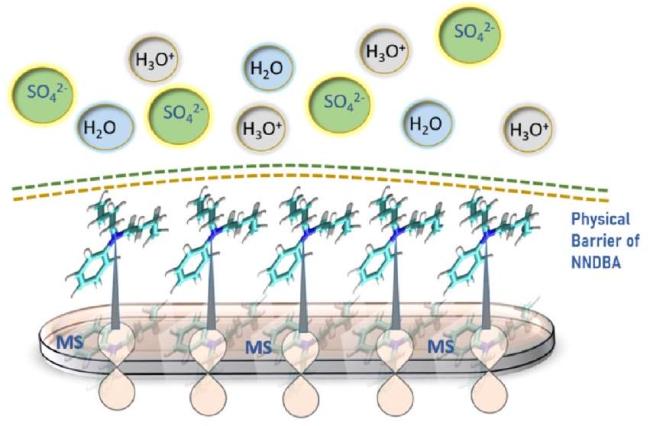


Fig. 17. Visualization of interaction between NNDBA and mild steel (MS) surface. |
Density Functional Theory (DFT) calculations, corroborated by Fukui function analysis, substantiate this electronic interplay.
Further support from Monte Carlo simulations and empirical findings confirms that NNDBA establishes a protective adsorptive interface on the Fe substrate via its polar functional groups. These groups orchestrate a physisorption mechanism wherein NNDBA molecules adopt a nearly parallel orientation relative to the steel surface, held predominantly by van der Waals forces. This spatial configuration facilitates the formation of a compact, uniform monolayer that maximizes surface coverage, thereby effectively shielding the MS substrate from aggressive ionic ingress. By occluding active anodic and cathodic sites, the inhibitor substantially curtails the kinetics of electron transfer processes and impedes the diffusion pathways of corrosive species, culminating in significant corrosion attenuation.
2. The molecular framework of NNDBA encompasses an extended hydrophobic alkyl moiety, which imparts a significant degree of water-repellency upon adsorption onto the metal surface. This hydrophobic barrier impedes the ingress of aqueous and ionic species to the underlying substrate, thereby disrupting the electrolyte-metal interactions essential for corrosion initiation and propagation. Consequently, the corrosion kinetics are markedly suppressed due to restricted access of water and aggressive ions to the active sites.
This multifaceted inhibition mechanism as shown in Fig. 17, underlines the potent protective efficacy of NNDBA, rooted in both molecular-level electronic interactions and surface adsorption dynamics.
Conclusion
The heterocyclic N-substituted aniline derivative, N,N Dibutylaniline (NNDBA), comprising a planar aniline core substituted with two butyl chains on nitrogen, was systematically investigated as a corrosion inhibitor for MS in 0.5MH2SO4 using both experimental and theoretical methodologies. Gravimetric analysis confirmed that MS corrosion followed first-order kinetics, with NNDBA significantly reducing the corrosion rate and rate constant, while prolonging the halflife of the reaction. The inhibition efficiency (IE) increased with NNDBA concentration and decreased with temperature, indicating a physisorption mechanism. The calculated activation energy (Ea ) in presence of NNDBA was 70.04 kJ/mol which was higher than that of the uninhibited system but remained below 80 kJ/mol, supporting physical adsorption. Thermodynamic analysis revealed that the standard free energy of adsorption (ΔG∘ ads ) was approximately -10 kJ/mol, further confirming electrostatic interactions consistent with physisorption.
Adsorption followed the Langmuir isotherm, with favorable Kads values indicating monolayer coverage and spontaneous adsorption. Potentiodynamic polarization (PDP) measurements identified NNDBA as a mixed-type inhibitor, with a maximum shift in Ecorr of 34.2 mV. At a concentration of 10-1M, NNDBA achieved an inhibition efficiency of 92.4%, while even at the lowest concentration of 10-7M at 298 K, the efficiency remained substantial at 72.5%. Electrochemical impedance spectroscopy (EIS) supported these findings, with increased Rct and reduced Cdl, indicating the formation of a compact inhibitor layer at the metal interface.
Surface characterization via SEM and AFM confirmed the formation of a protective film on the inhibited MS surface. Quantum chemical calculations yielded a highly negative EHOMO (-4.419eV), low ELUMO (0.821 eV), and a small energy gap (ΔE=5.24eV ), suggesting strong reactivity and enhanced metal-inhibitor complex stability. Fukui indices identified key active sites contributing to adsorption. Molecular dynamics simulations revealed that NNDBA adopts a stable, parallel alignment on Fe(110), interacting via the nitrogen atom, aromatic ring, and adjacent hydrogens. Monte Carlo simulations supported these findings with strongly negative interaction energies, indicating thermodynamically favorable and exothermic adsorption.
In conclusion, NNDBA demonstrates excellent corrosion inhibition performance in acidic media through strong surface adsorption, electrostatic interaction, and the formation of a stable protective film. Its performance is well-supported by kinetic, thermodynamic, electrochemical, surface, and theoretical data, confirming its potential as an effective and reliable corrosion inhibitor for mild steel.
Authors contribution
Meenakshi Gupta: Concept, experimentation, analysis of the data, and writing the first draft. Mansi Yuvender Choudhary: Plotting of graphs and drafting of manuscript. Neeta Azad: Software, Quantum chemical research and result interpretation. Shramila Yadav: Writing, Interpretation of results, data analysis, figure generation, and finalizing the manuscript.
CRediT authorship contribution statement
Neeta Azad: Writing - review & editing, Software. Shramila Yadav: Writing - review & editing, Writing - original draft, Formal analysis. Meenakshi Gupta: Writing - original draft, Formal analysis, Data curation. Mansi Y. Chaudhary: Writing - review & editing, Software.
Declaration of Competing Interest
The authors declare that they have no known competing financial interests or personal relationships that could have appeared to influence the work reported in this paper.