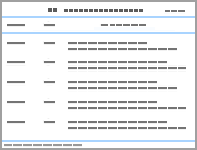
| Coating materials | Fabrication methods | Temperature ( ∘C ) | Time (h) | Mass loss (wt%) | Refs. |
|---|---|---|---|---|---|
| ZrB2-ZrC-SiC | LC | 1500 | 0.8 | 0.51 g/cm2 | [21] |
| SiC | PEM + CVI | 1500 | 100 | 7.75 g/cm2 | [22] |
| B4C-HfB2-SiC | ISR | 1200 | 104 | 5.45 % | [23] |
| ZrB2-SiC | LPS | 1500 | 200 | 0.14 % | [25] |
| ZrB2 | SCC | 1500 | 342 | 1.03 % | [28] |
| ZrB2-CrSi2-SiC-Si/SiC | IMP | 1500 | 1.74 % | [29] | |
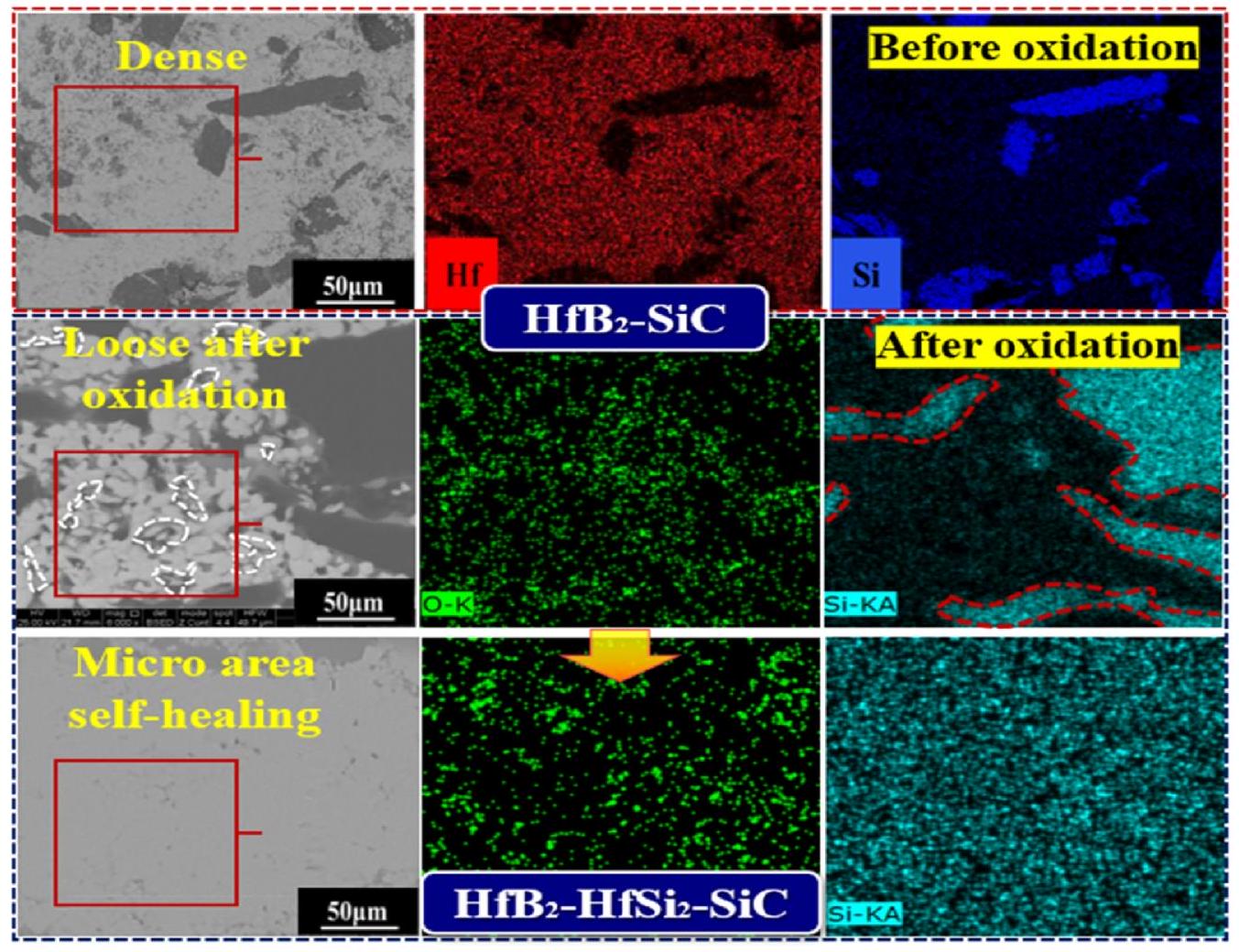
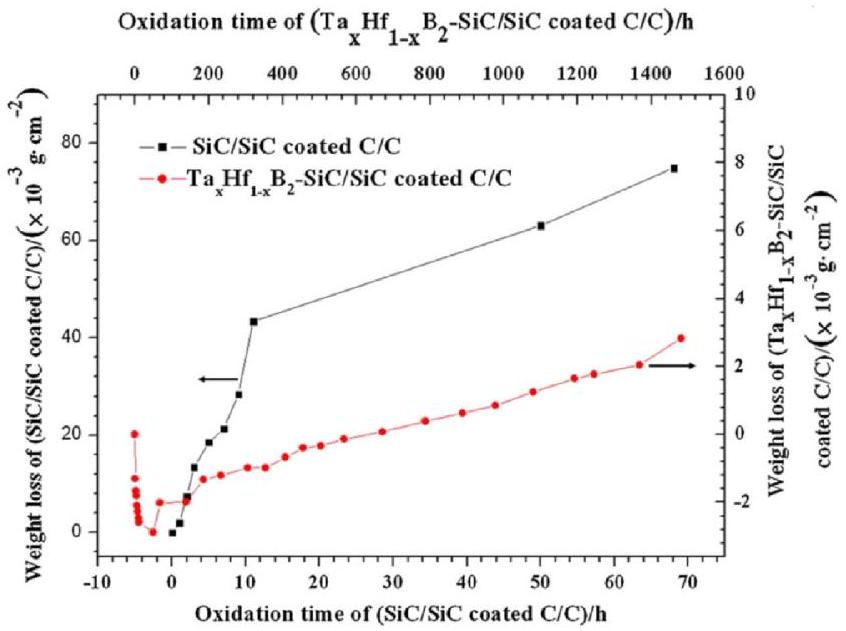
| HfB2-SiC/SiC | ISR | 1500 | 753 | 0.487 % | [30] |
| HfB2-SiC-MoSi2-Si/SiC- | - | 1650 | 618 | 57.9 % | [32] |
| Si | |||||
| | 2000 | 0.3 % | [33] | ||
| | PIP | 1300 | 120 | 1.25 % | [38] |
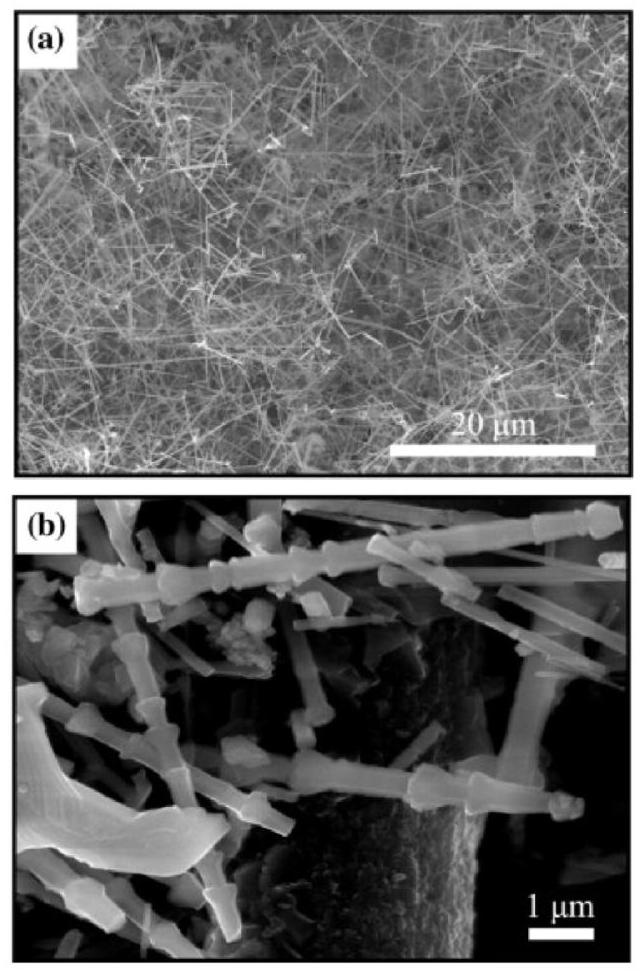
| SiCw | CVD | 1500 | 72 | 0.5 % | [41] |
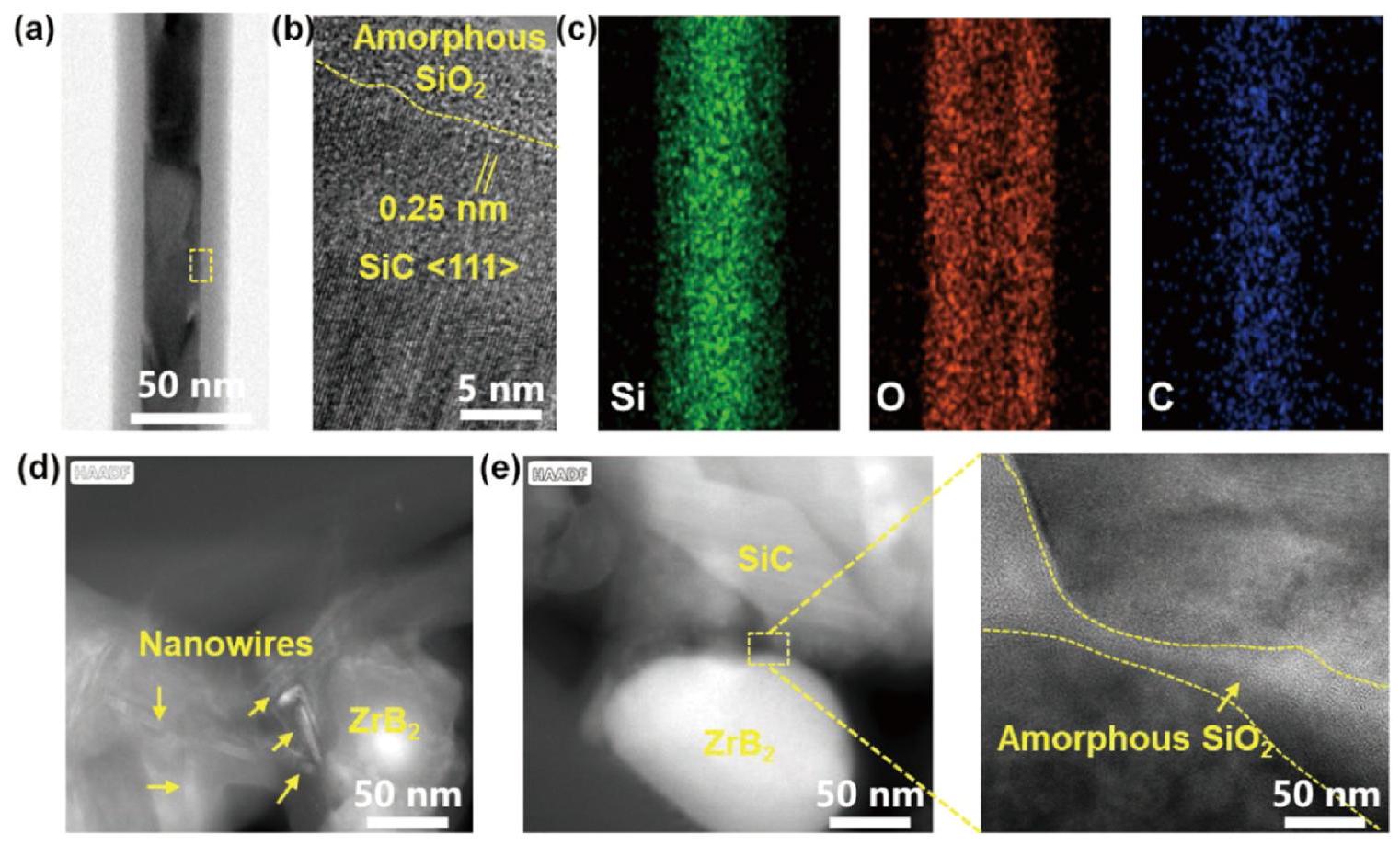
| SiCw-/ZrB2-ZrSiO4 | 1500 | 20 | 120.17 g/cm2 | [43] | |
| SiCw-SiC-MoSi2-ZrB2 | CVD | 1500 | 124 | 1.1mg/cm2 | [44] |
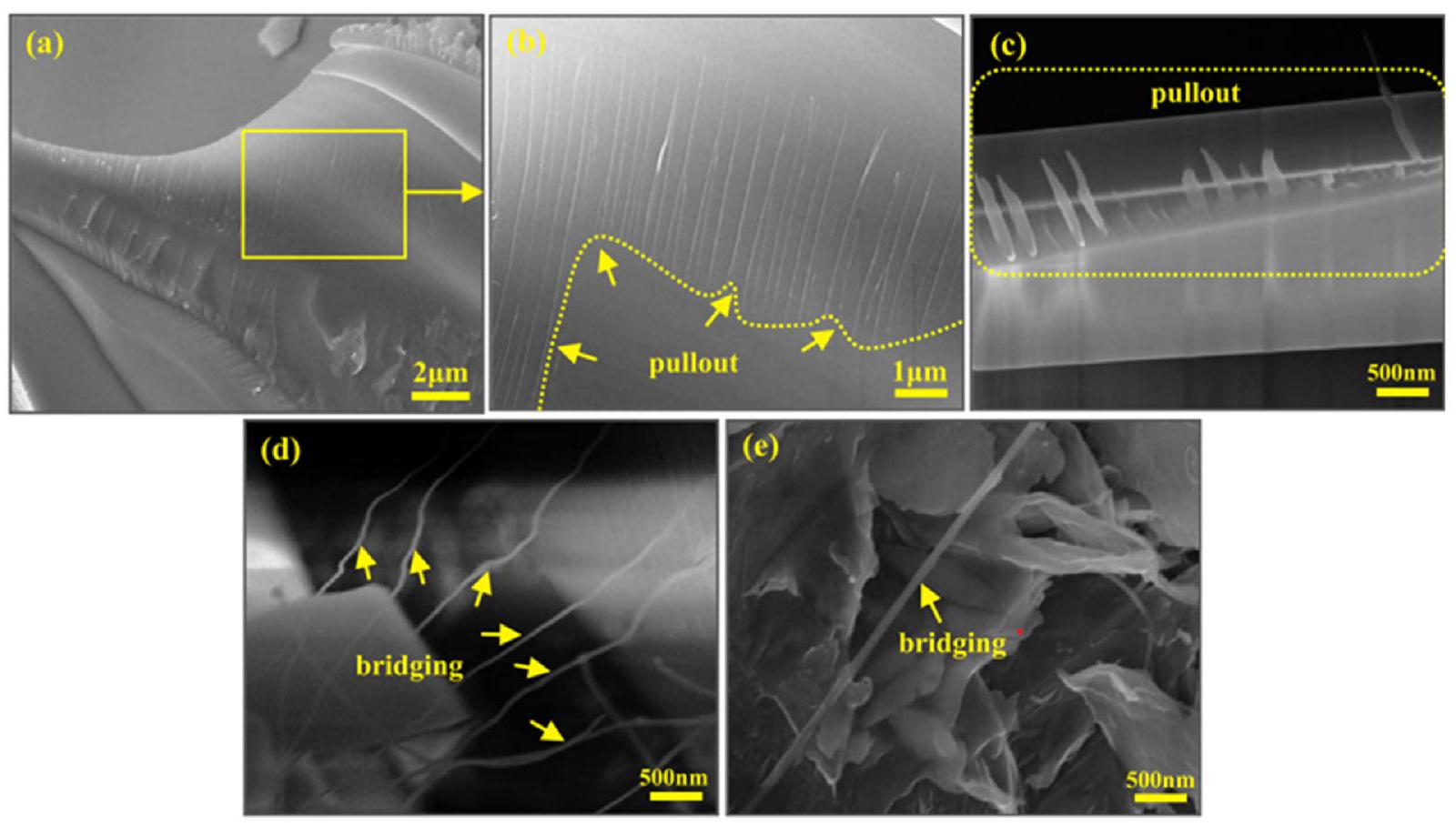
| ZrB2-SiCw-BSG/ZrB2 | - | 1500 | 1.5 | 0.44 % | [45] |
| -MoSi2-SiCw-BSG | |||||
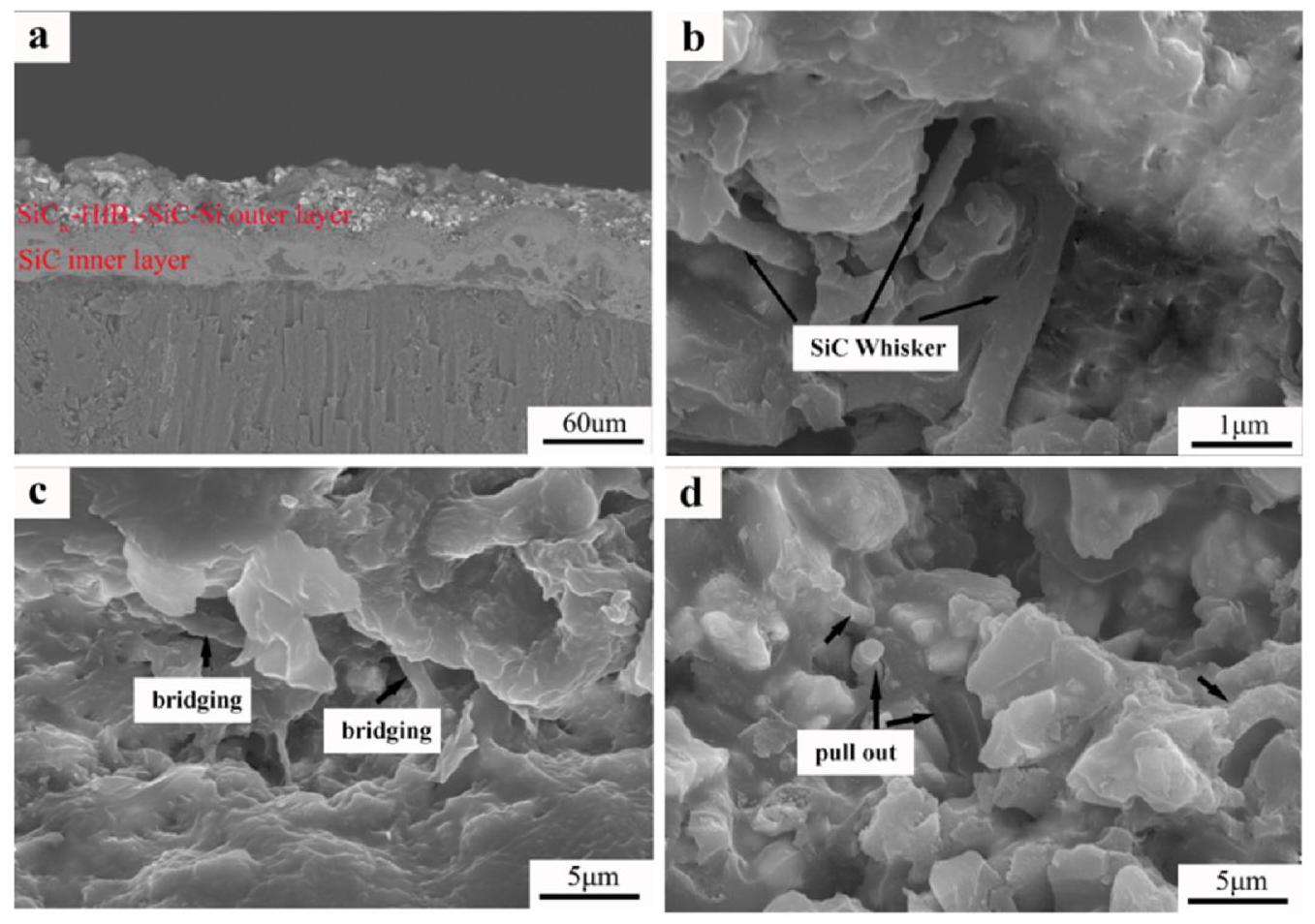
| SiCw-HfB2-SiC-Si/SiC | - | 1500 | 468 | 0.88 % | [46] |