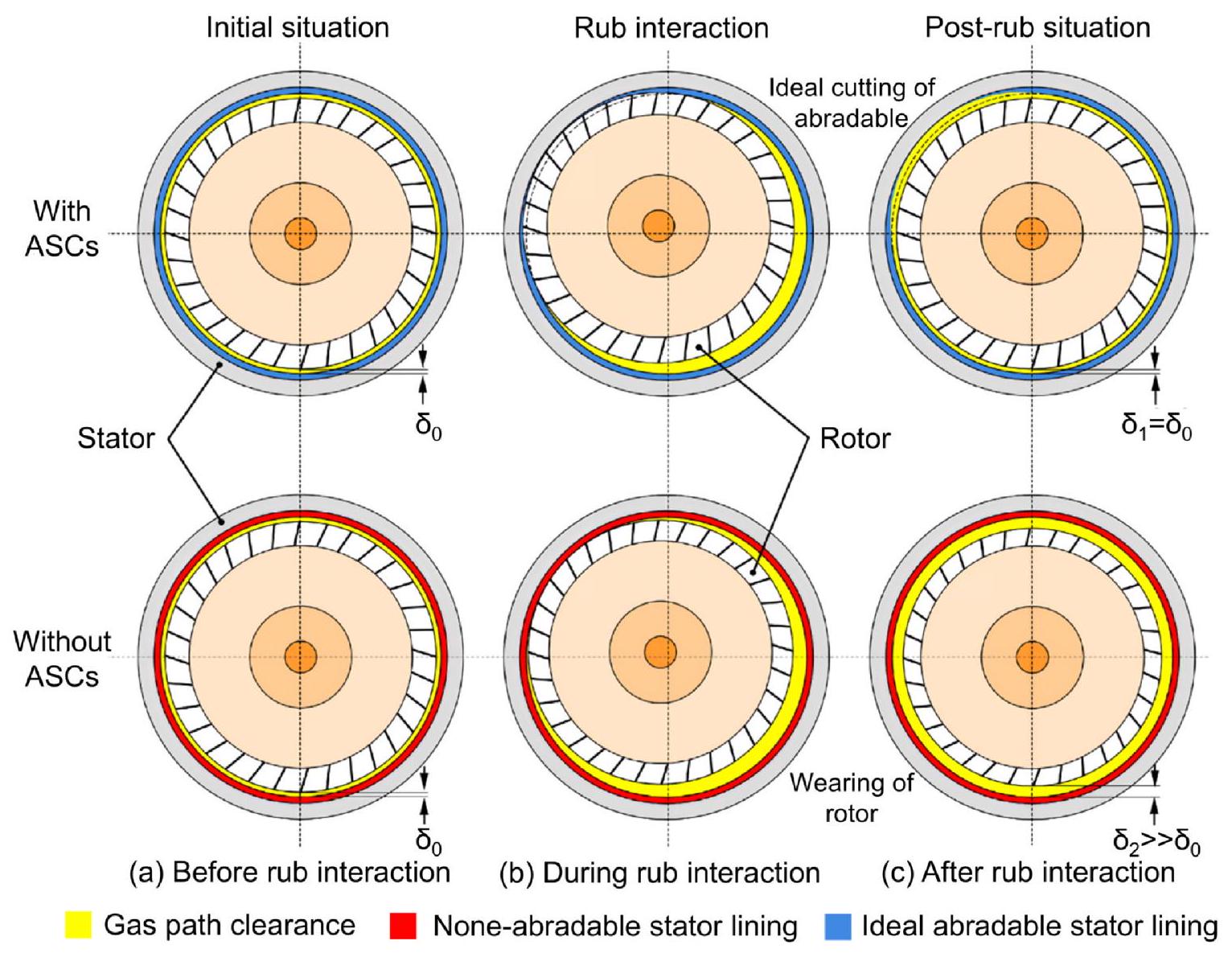
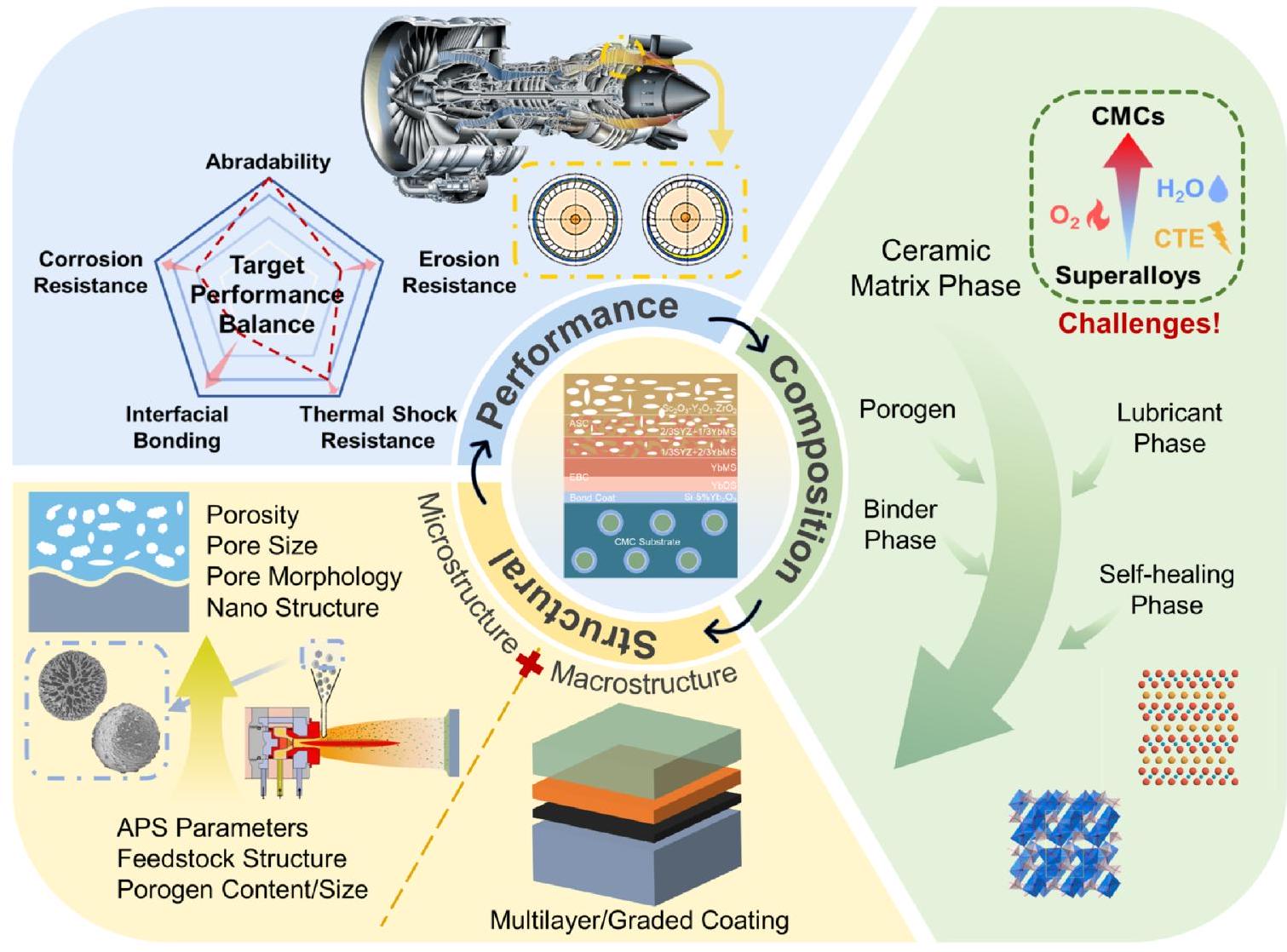
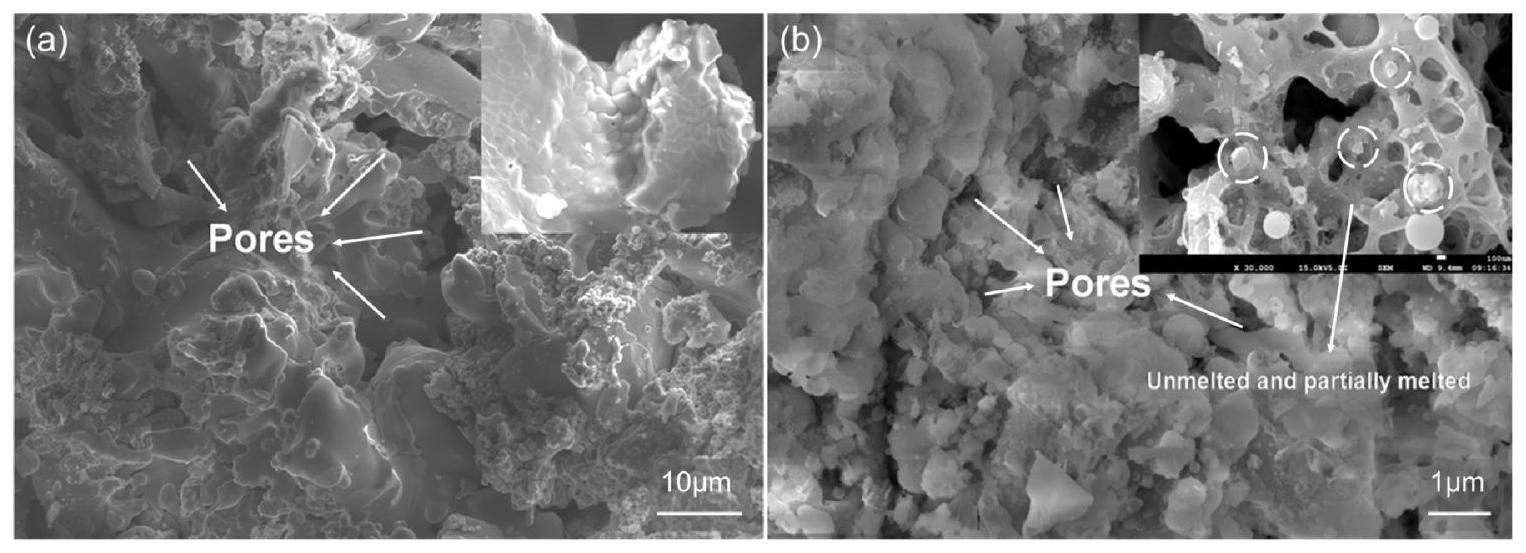
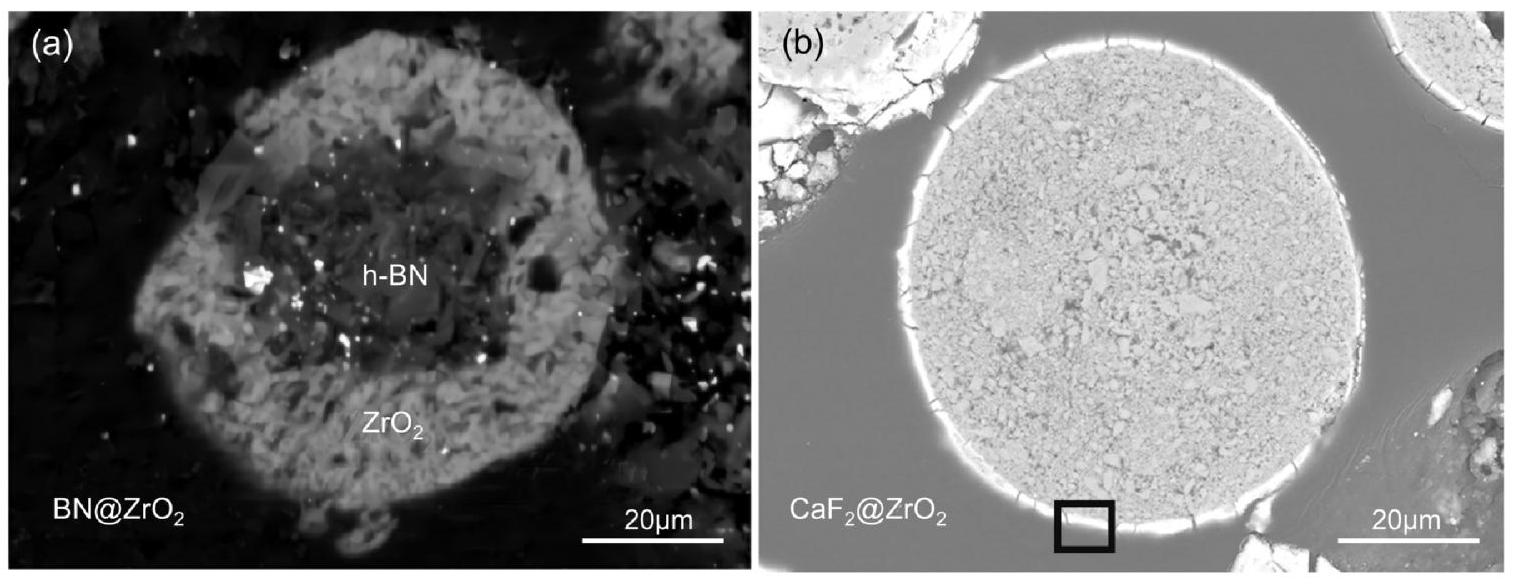
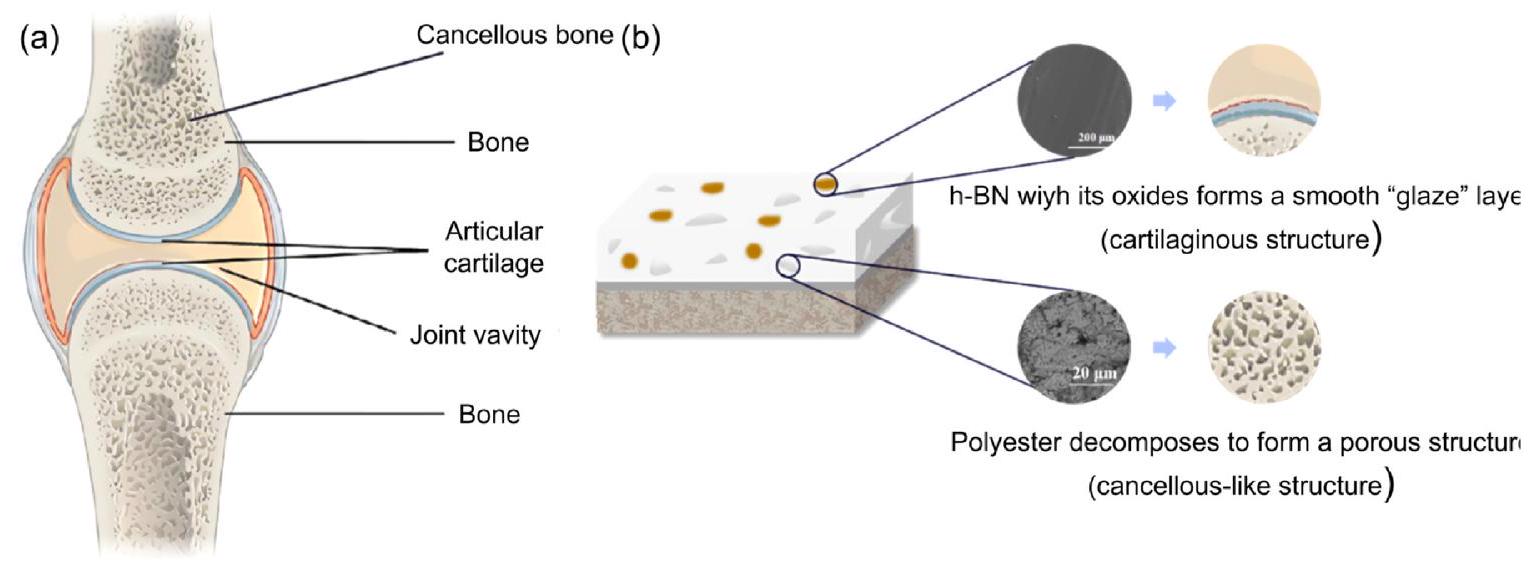
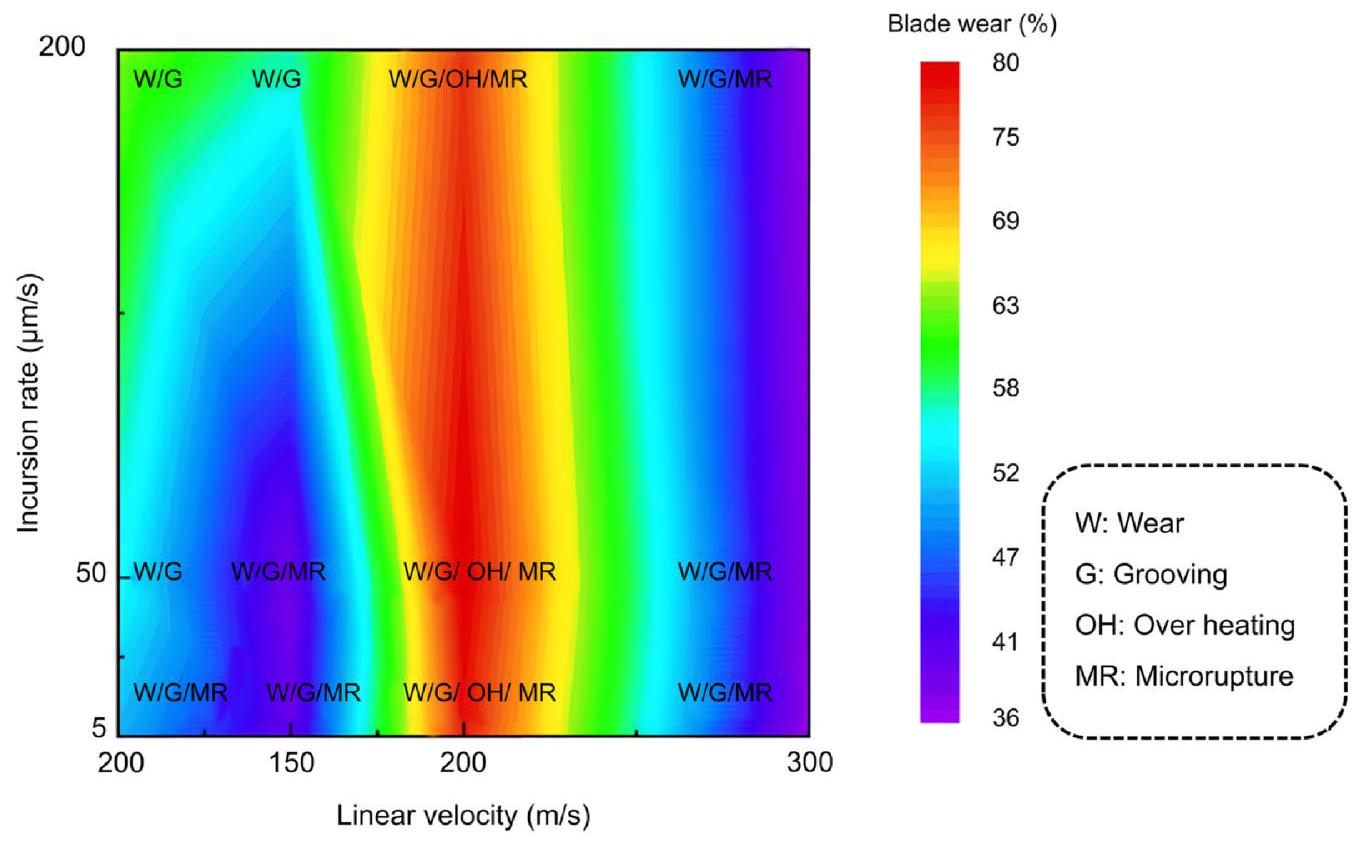
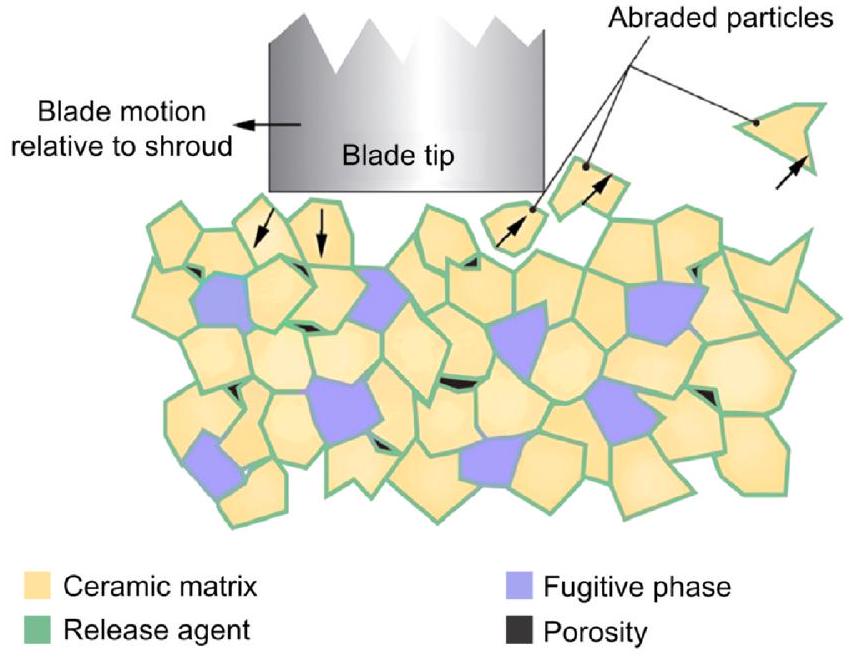
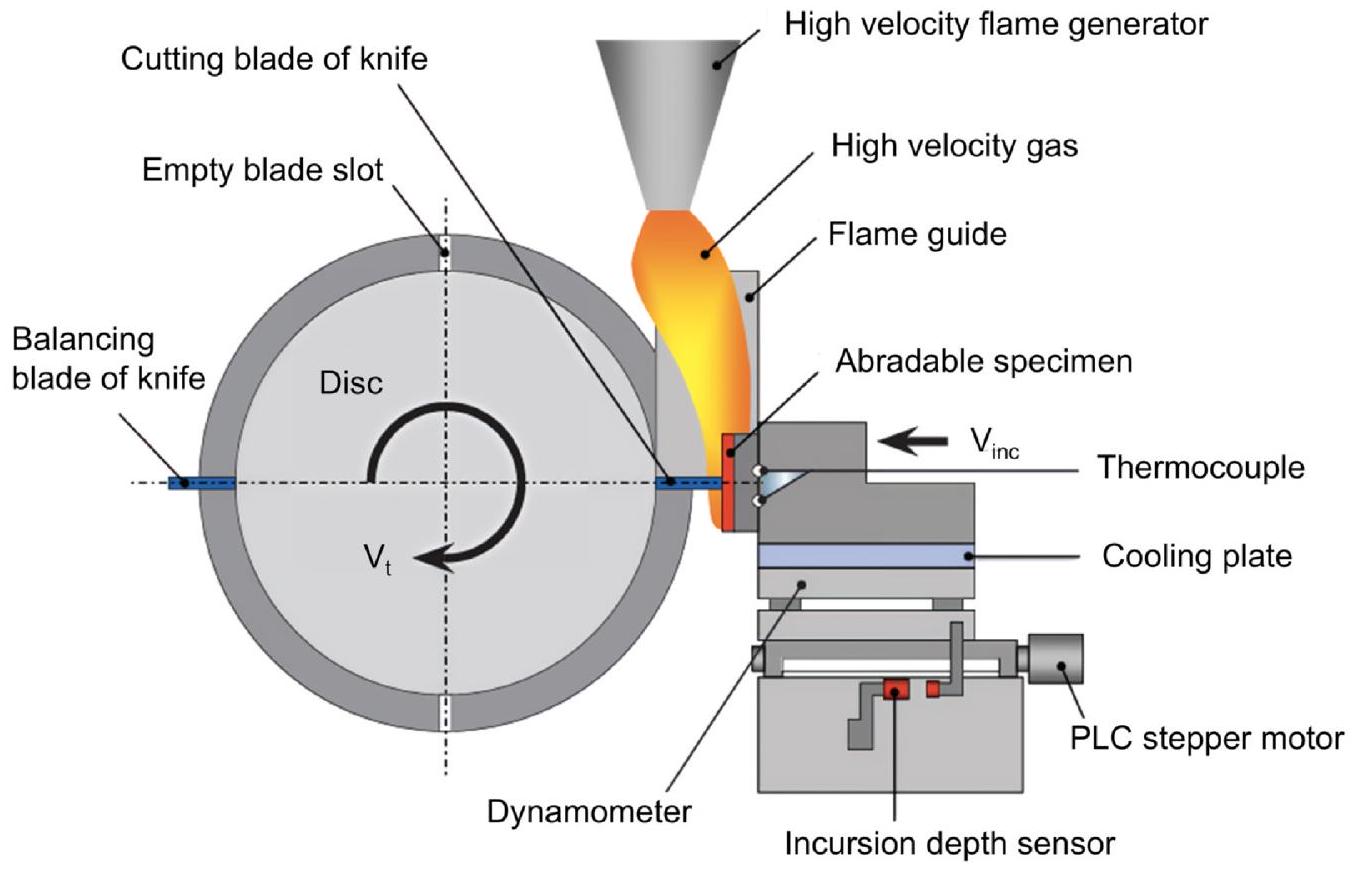
| Abradability | Maintains blade-clearance control and avoids blade damage | Reduce hardness and increase porosity | May decrease bonding strength and erosion resistance |
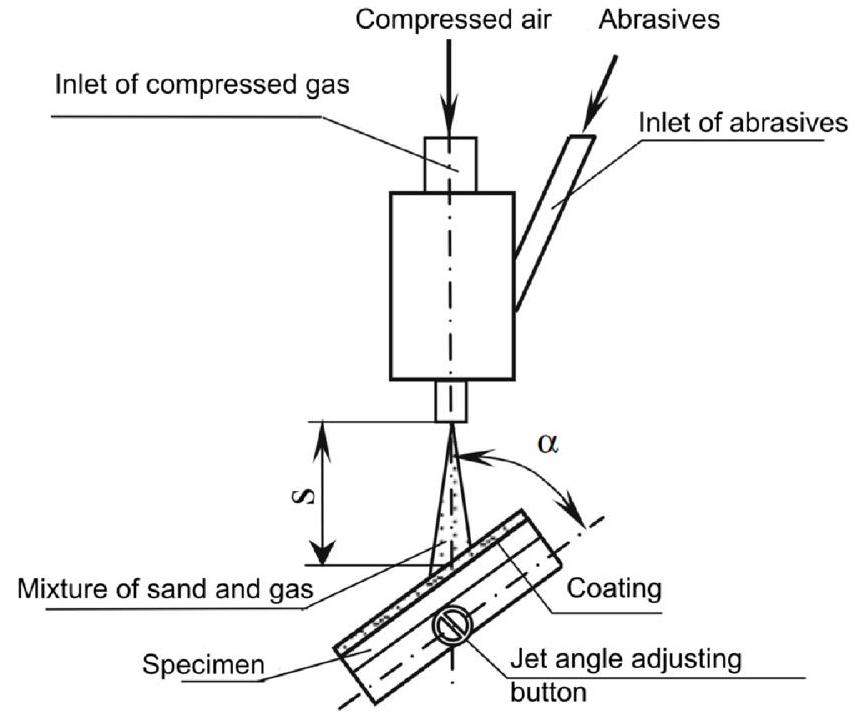
| Erosion Resistance | Withstands high-speed particle impact | Increase surface hardness | May lead to increased blade wear and reduced abradability |
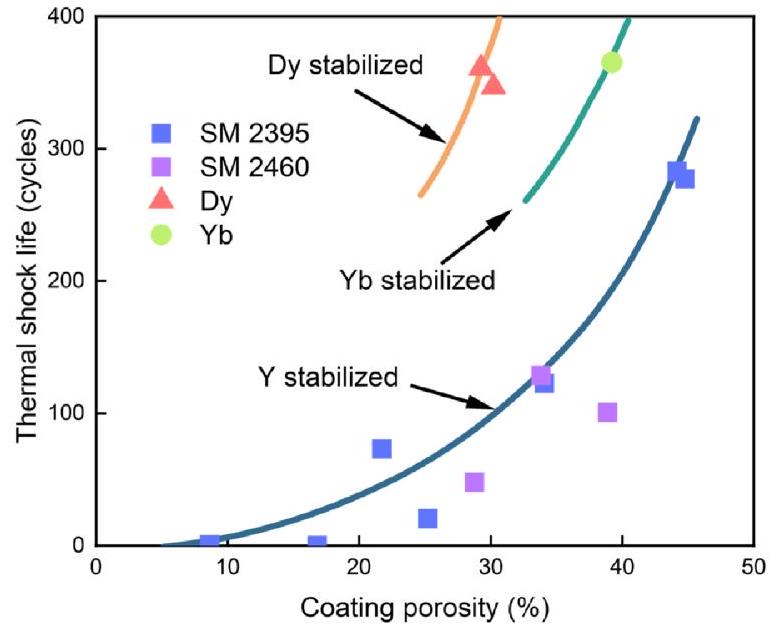
| Thermal Shock Resistance | Resists rapid temperature fluctuations, extends service life | Increase porosity and/or introduce nanostructures | May reduce mechanical strength |
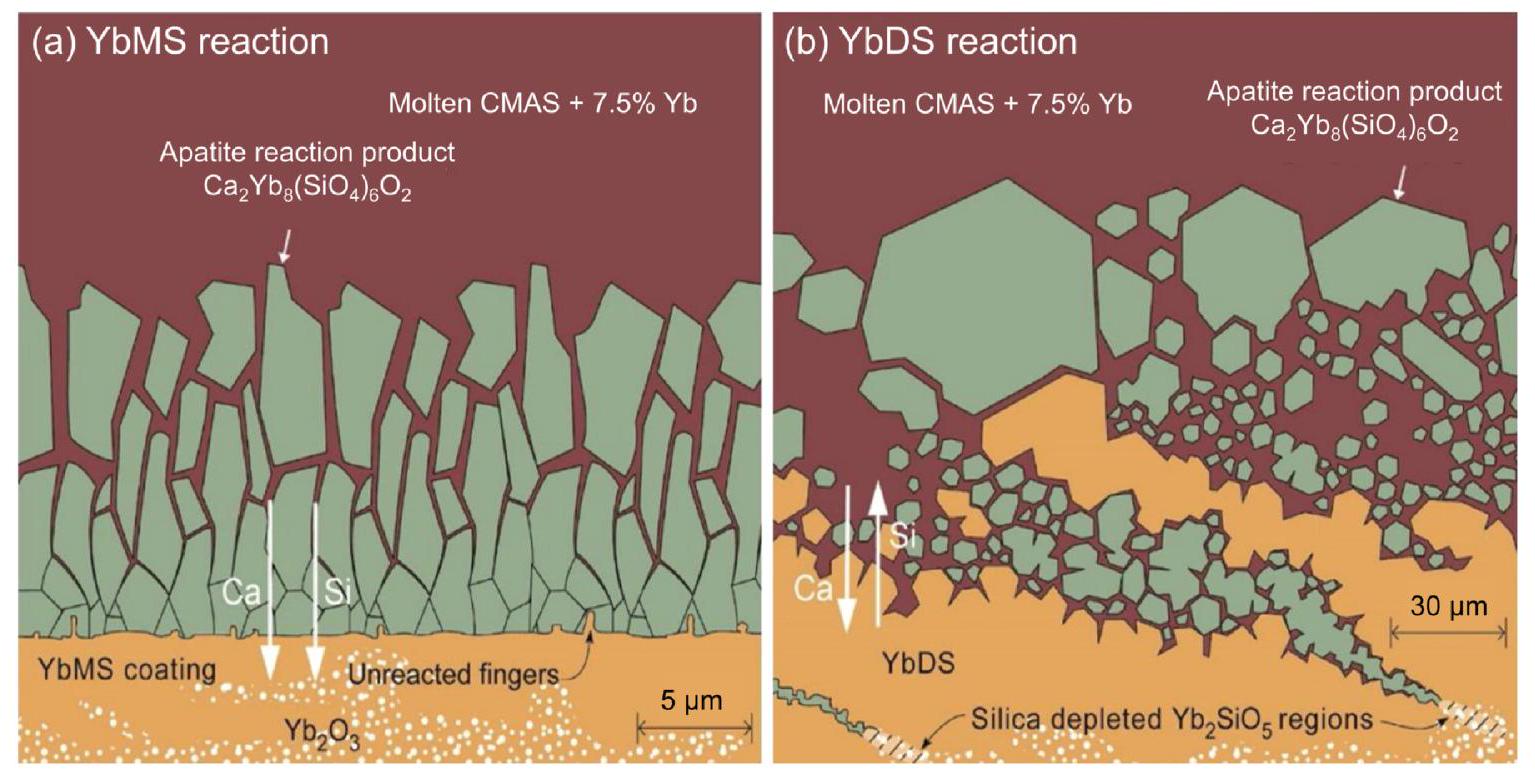
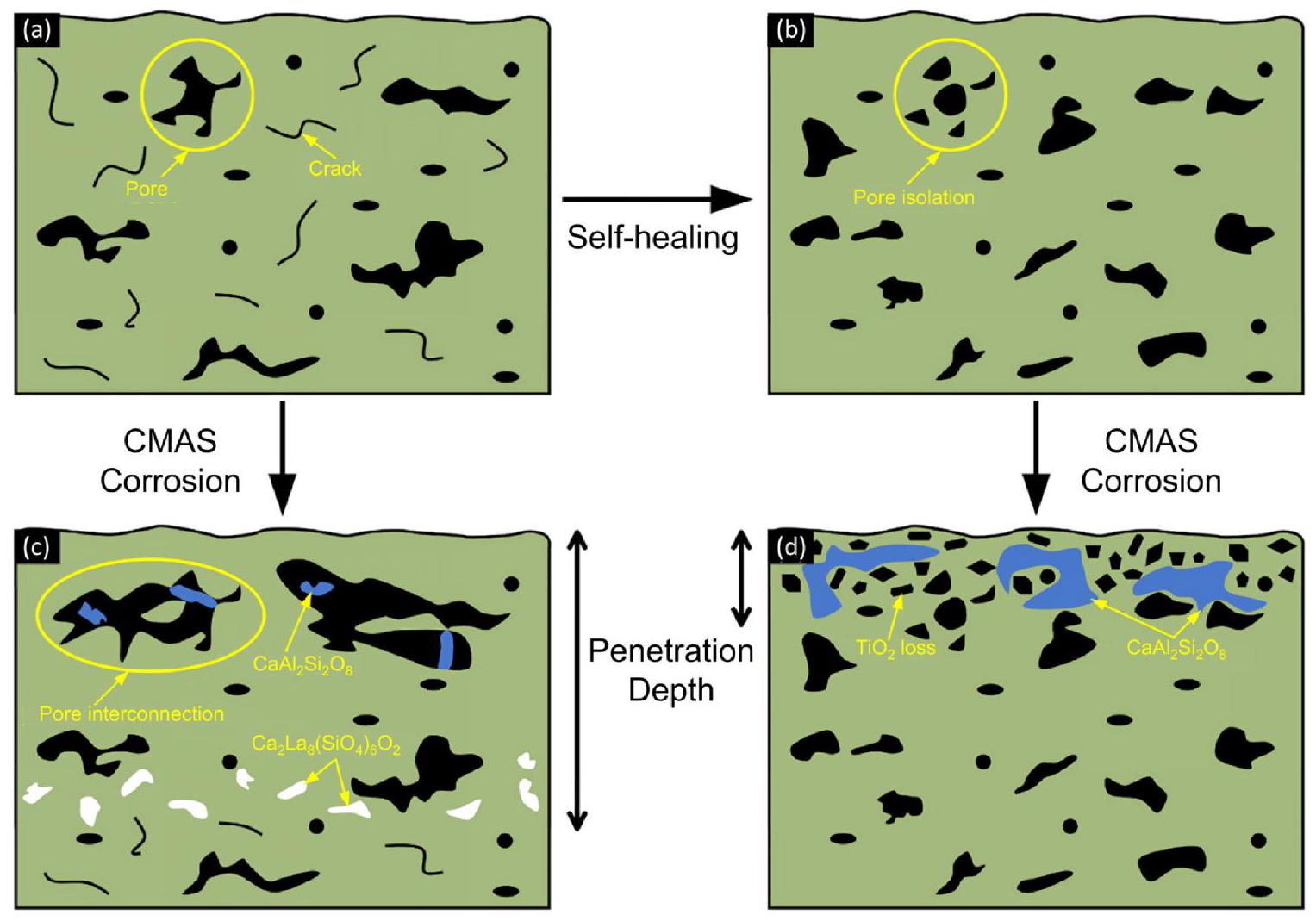
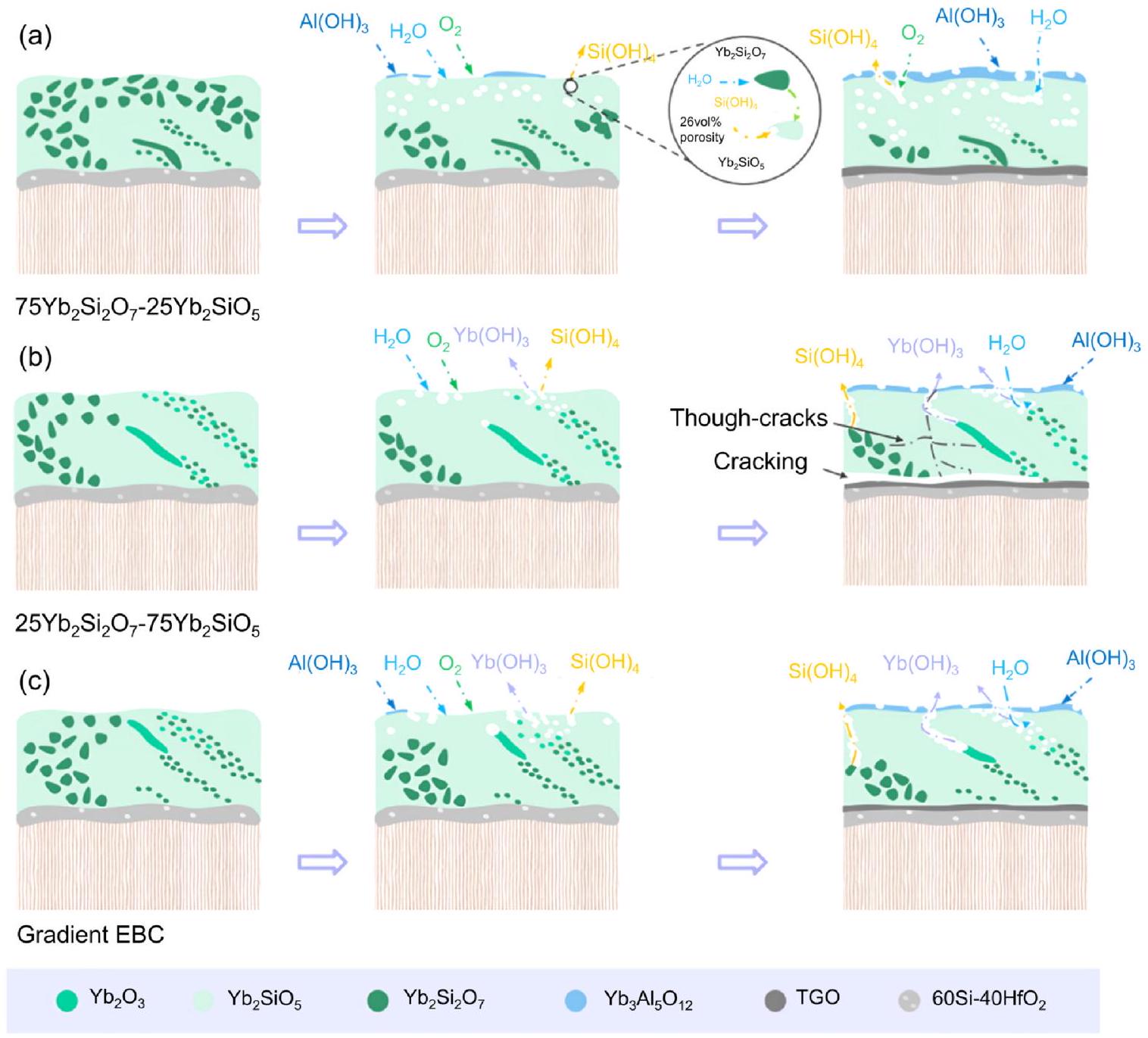
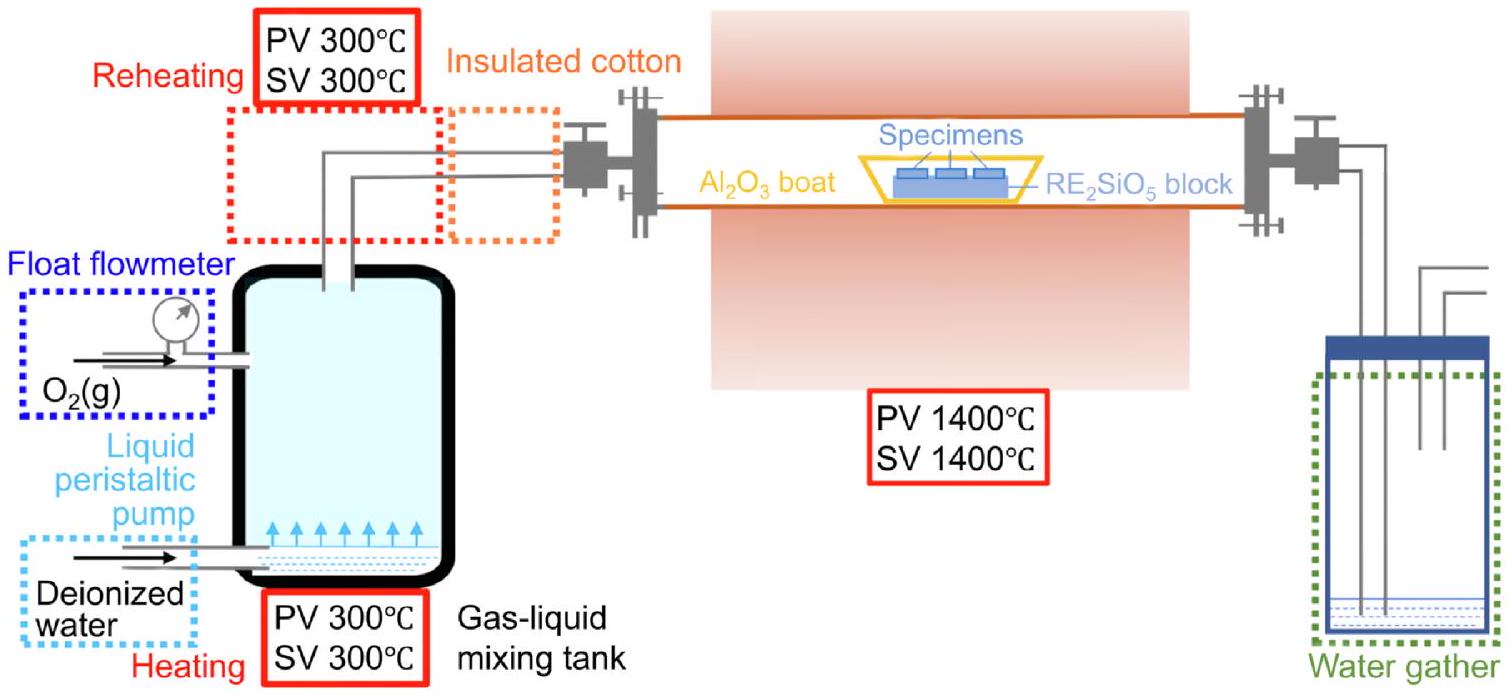
| Corrosion Resistance | Resists water vapor and CMAS (calcium-magnesium-alumino-silicate) corrosion | Employ corrosion-resistant ceramic phases | Often associated with higher hardness or thermal stress |
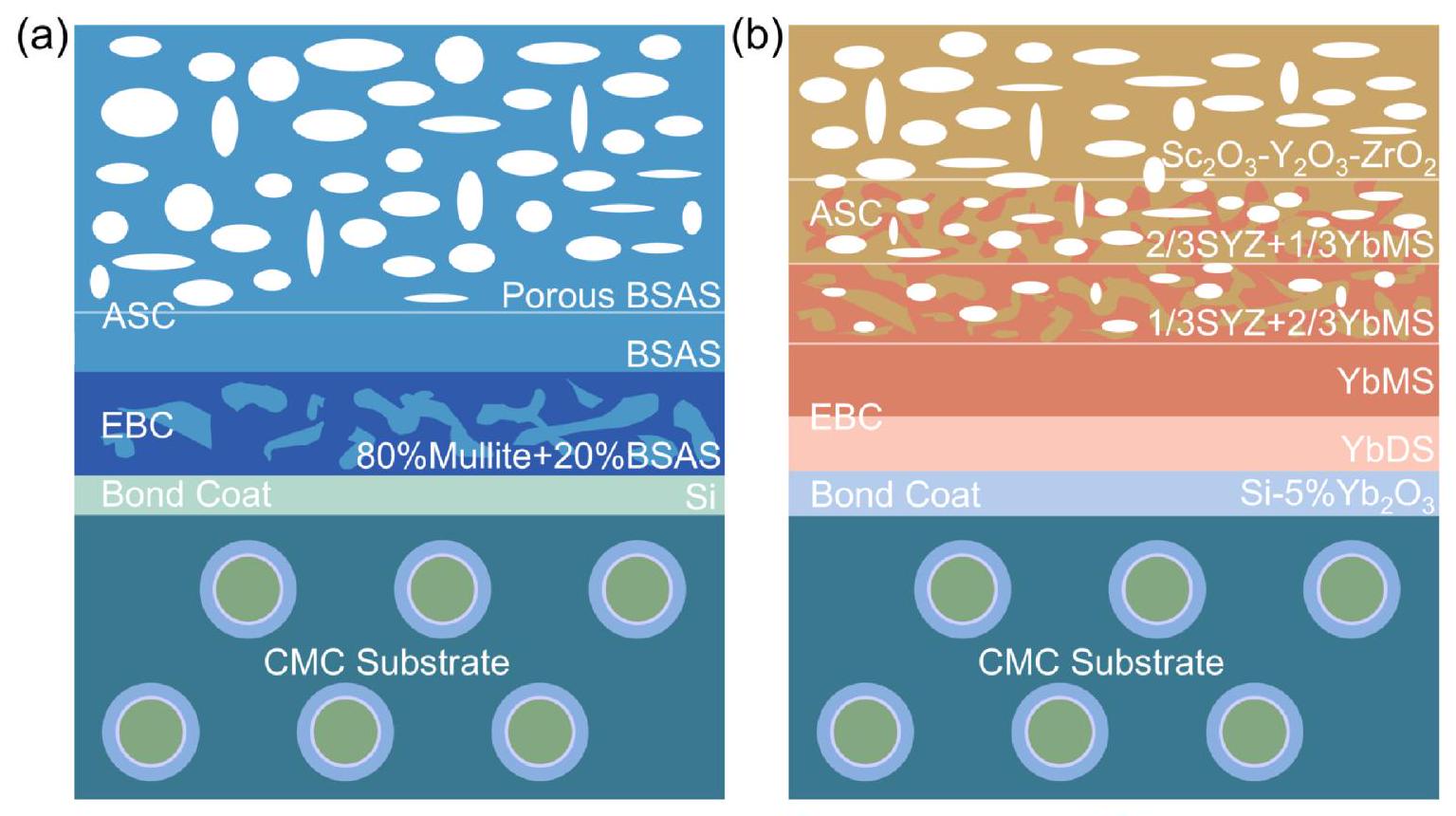
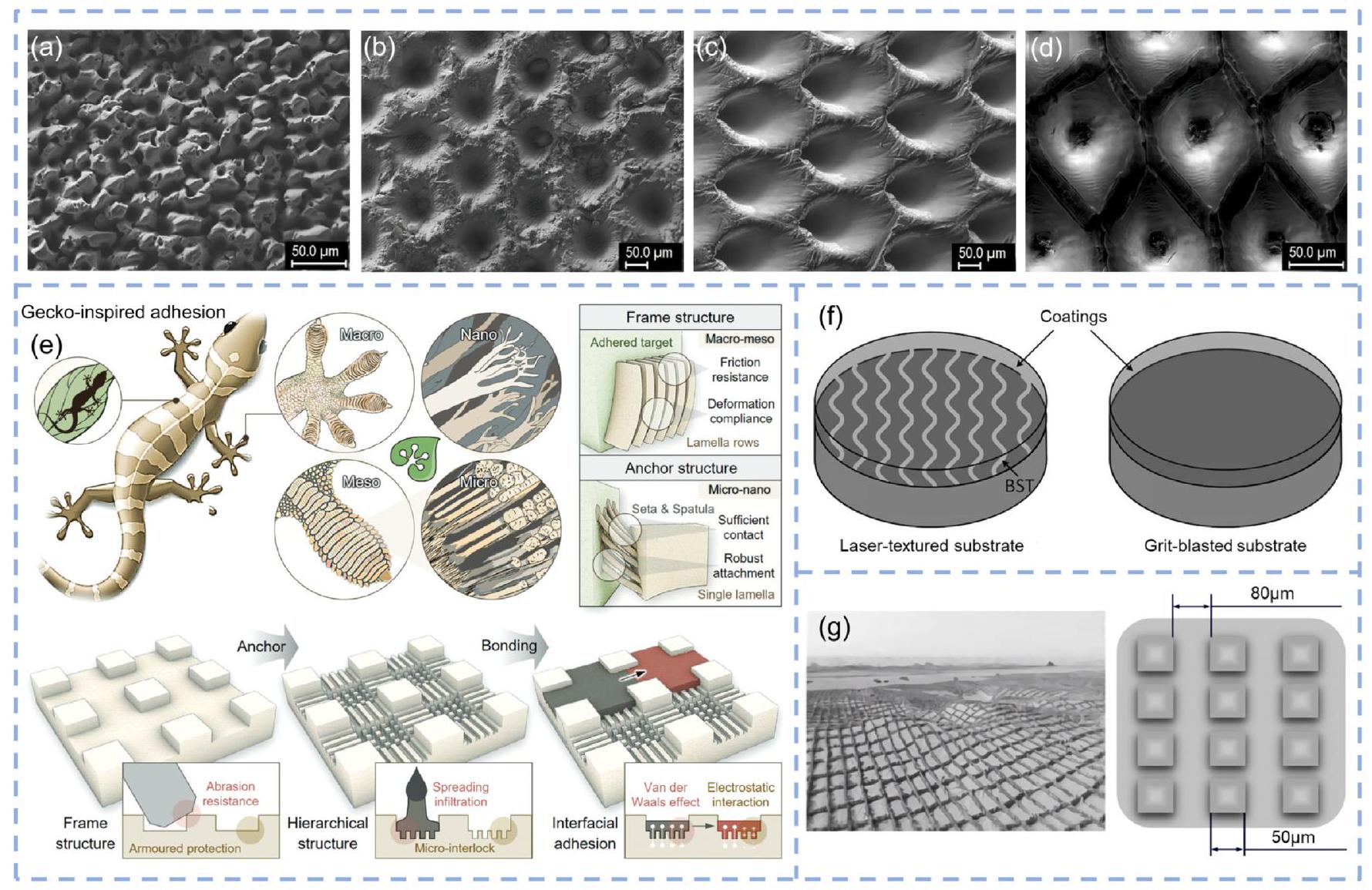
| Bonding Strength | Enhances the durability of multilayer structures and prevents delamination | Surface texturing or bonding phase design | Risk of bonding phase oxidation or thermal stress accumulation |